
Last updated November 25, 2026
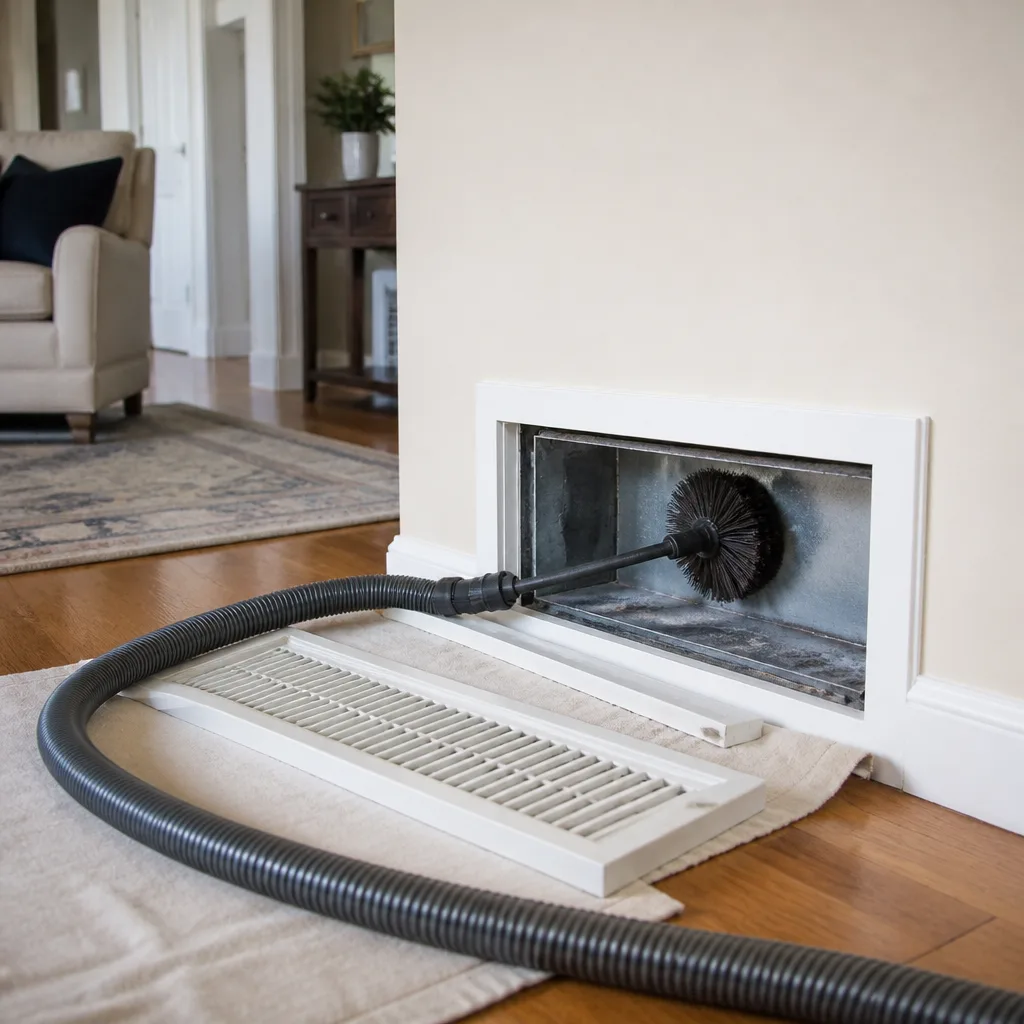 Whole-home duct cleaning
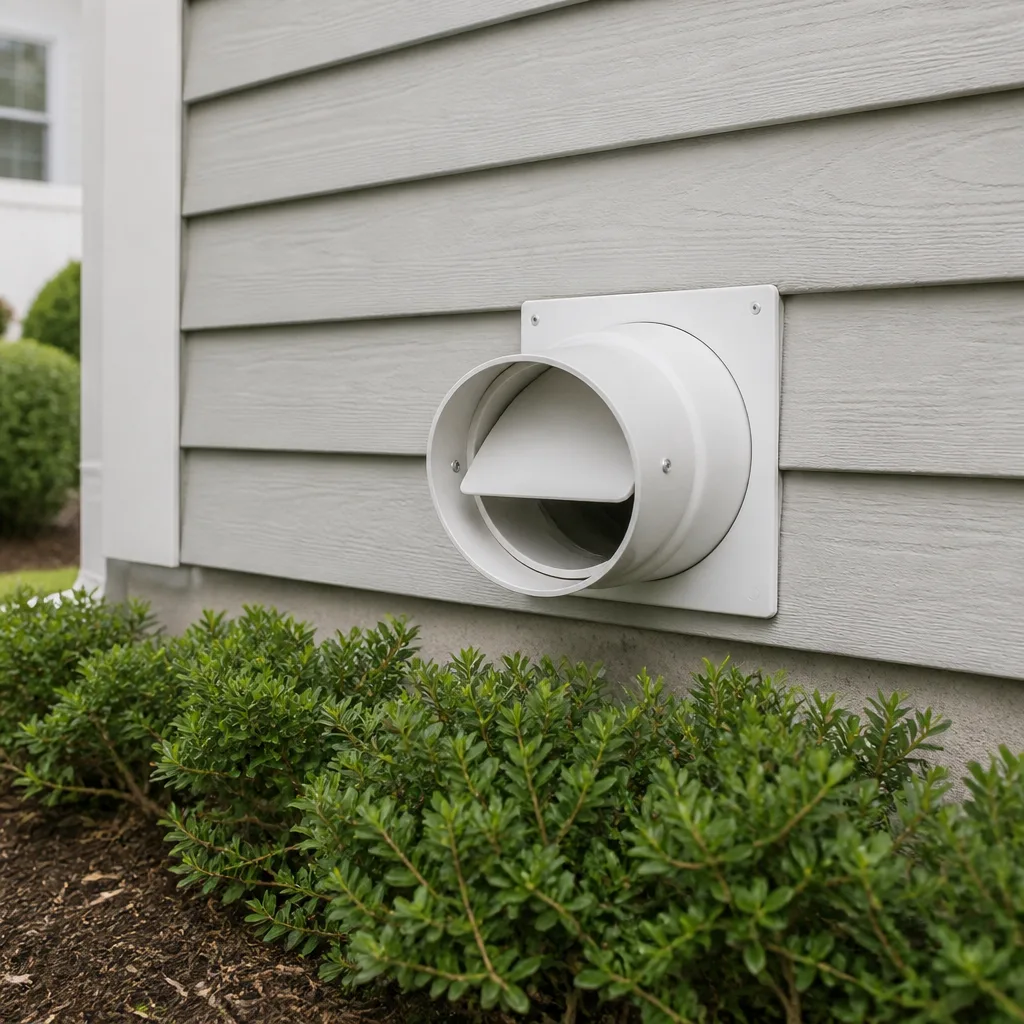 Dryer vent cleaning
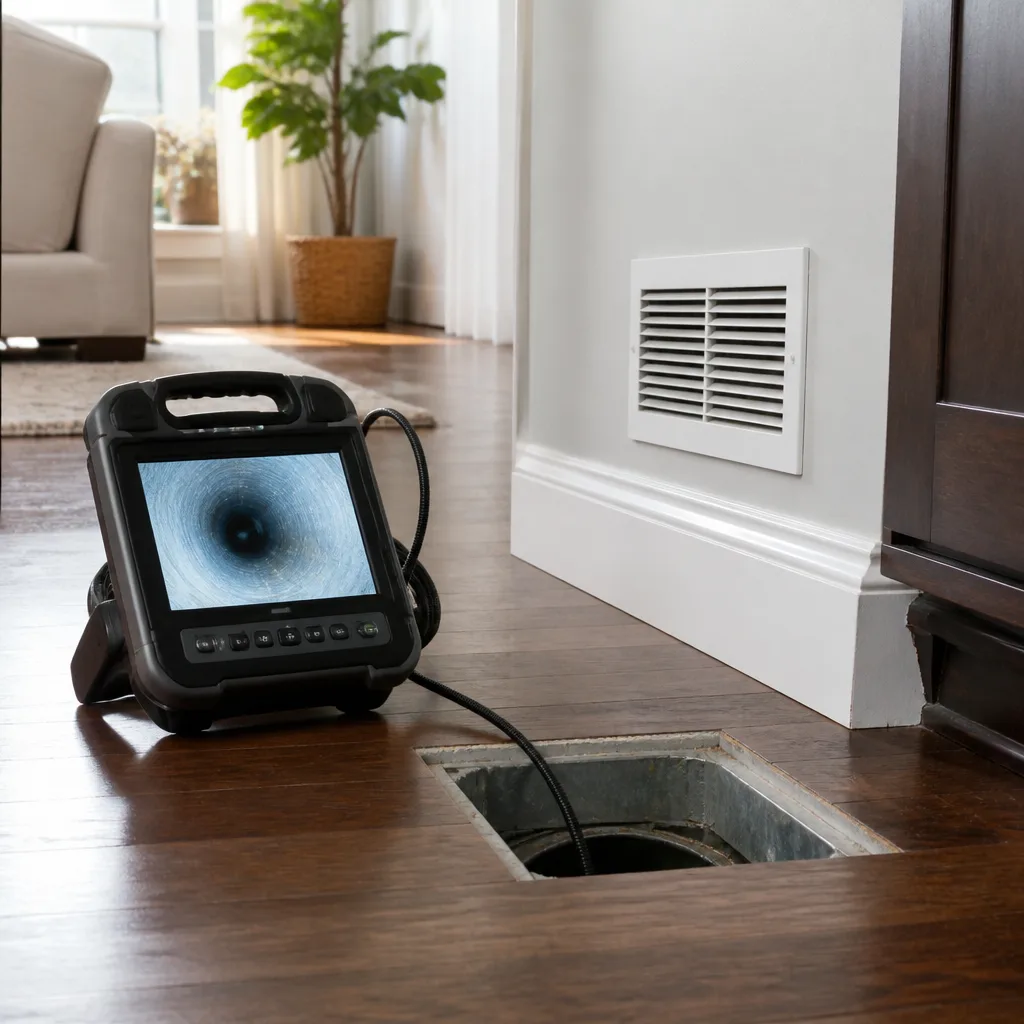 Camera inspection
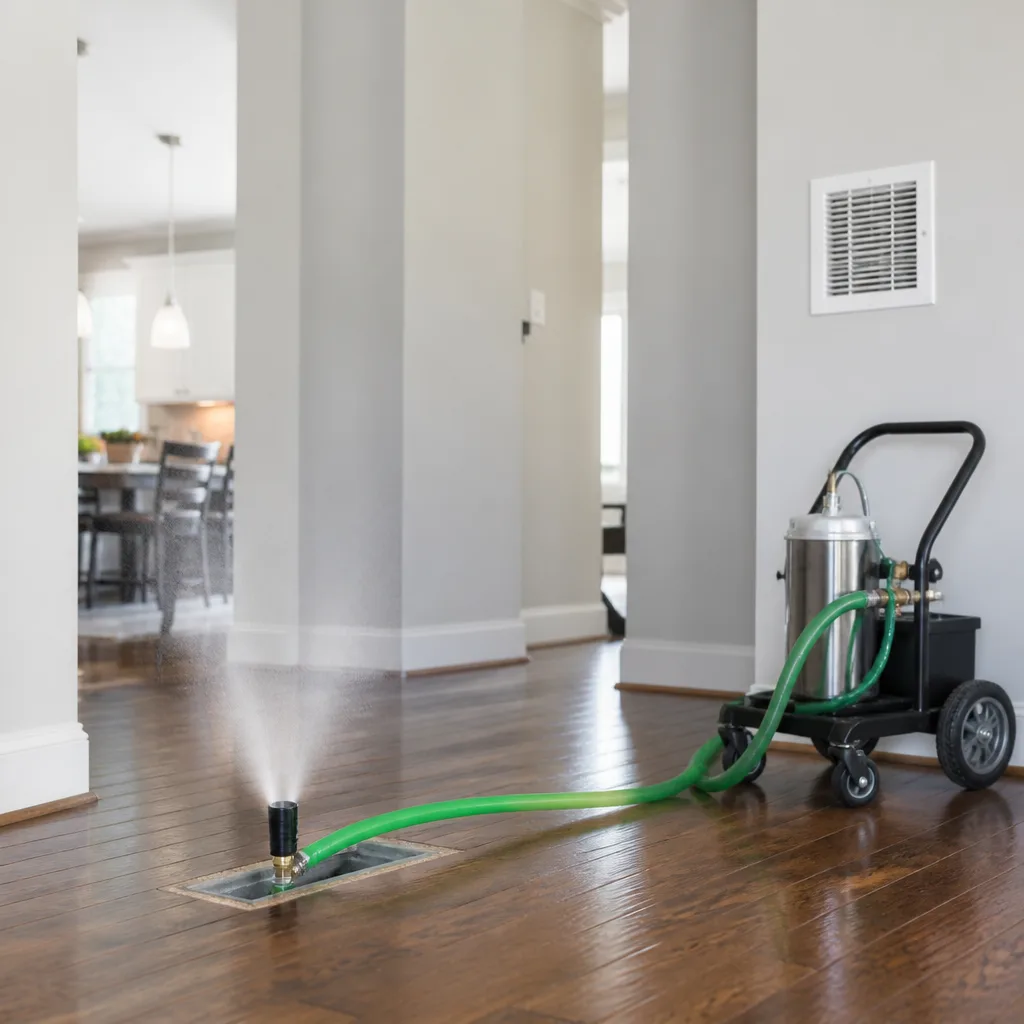 Sanitizing & deodorizing
Whole-system duct and dryer vent check with before-and-after photos - you see exactly what came out of your vents
That "$99 whole-house special" is a bait ad - the real number appears once they are in your hallway, or the "clean" is a shop-vac at the register. We photograph the inside of your ducts before and after instead.
How to Hire an Air Duct Cleaning Contractor in Redmond: A Step-by-Step Guide
Washington State does not license air duct cleaning as a trade. That single fact changes how you should shop for it. With no state license to verify, the usual shortcut of “check the license and move on” doesn’t exist here, so the burden shifts to the questions you ask and the answers you can confirm. What matters is whether the company can explain its equipment, describe a real process, and hand you documentation when the job is done. This guide walks through the vetting step by step, from the first phone call to the post-job walk-through, so you can tell a technical contractor from a volume operation before anyone sets foot in your Redmond home.
Quick Answer
To hire an air duct cleaning contractor in Redmond, verify four things before you book: the equipment they bring (a truck-mounted or high-CFM negative pressure unit, not just a shop vacuum), whether they inspect before quoting, whether you get a written scope of work, and how they document the job afterward. Ask about NADCA membership and confirm the company name against the association’s directory. If a quote is based on a per-vent price or a flat whole-house special with no walk-through, treat it as a red flag and keep looking.
Styles & brands we work with
- Whole-home duct cleaning
- Dryer vent cleaning
- Camera inspection
- Sanitizing & deodorizing
Table of Contents
- Why Washington’s Lack of Licensing Changes How You Hire
- What Equipment a Legitimate Contractor Must Arrive With
- Four Questions to Ask on the Phone Before You Schedule
- Why NADCA Membership Matters – and What It Doesn’t Guarantee
- Red Flags in a Quote
- The Pre-Inspection Walk-Through
- How to Structure the Post-Job Verification Conversation
- When to Call a Professional
Why Washington’s Lack of Licensing Changes How You Hire
In many states, an air duct cleaning company needs a specific license or registration to operate. Washington doesn’t require one for the duct cleaning trade itself, which means there’s no state database to check whether a company is legitimate. That’s the structural reason the cheapest quote often wins the search results, and also the reason that quote is so often the wrong call.
Without a license requirement, the responsibility for verifying competence lands on you. And that’s not as hard as it sounds. The vetting questions that matter are concrete. Does the company own or have access to professional duct cleaning equipment? Can they name the manufacturer? Do they inspect before quoting, or do they quote over the phone blind? Do they issue a written scope of work? Will they show you before-and-after evidence from your own system?
This isn’t a knock on every low-cost operator. Some lean companies do honest work at honest prices. The problem is the reverse: a company that pitches a bargain rate, arrives without proper equipment, and then upsells services at the door. Industry trade groups and the EPA have warned about these patterns for years, and they surface regularly in Redmond-area search results and door-to-door solicitations.
Redmond’s housing stock makes the stakes higher than in some markets. The city’s mix of older mid-century homes near downtown and newer construction in the Overlake, Education Hill, and Sammamish Valley areas means HVAC systems vary widely – some with flex duct that’s prone to sagging and debris traps, some with rigid metal trunk lines that hold up better. The broader Eastside climate also pushes homeowners to run heating systems for a long stretch of the year, which means more debris moves through the ducts and more reason to have them cleaned correctly. Getting a technical contractor rather than a fast one matters more when the ductwork itself varies this much.
What Equipment a Legitimate Contractor Must Arrive With
Equipment is the clearest test of whether a company is running a technical operation or a surface clean. A legitimate air duct cleaning contractor should arrive with three things, at minimum. If any of these is missing, the job cannot be done to industry standards and you should not proceed.
- A truck-mounted or high-CFM portable negative pressure unit. This creates suction strong enough to pull loose debris through the ductwork and into the collection unit. A shop vacuum or a consumer-grade canister vacuum doesn’t have the airflow to move material through a whole house. If the unit is not on the truck or in the van, the cleaning is happening without the right source of vacuum.
- A contact vacuum with an agitating head. Suction alone doesn’t remove stuck-on debris from duct walls. A rotating brush or whip head, used from inside the duct, loosens what has adhered to the surfaces. This is where professional systems like Rotobrush and Nikro come in – they’re built for this specific job, and they’re the equipment used by commercial and restoration contractors, not consumer appliances.
- An inspection camera. You cannot clean what you cannot see. A camera lets the technician inspect the interior of the ductwork before and after the job and shows the homeowner whether the work was actually done. Without one, the only evidence is a technician’s word.
If a company shows up with a shop vacuum and a promise, the job is not going to achieve much. If they show up with professional-grade equipment and are willing to show you the before-and-after through the camera, you’re in the right category. The same standard applies on the high end: restoration-grade filtration equipment such as Abatement Technologies is what’s used in jobs that require remediation-level air quality, and it’s a signal that a company is set up for real contamination work, not just routine cleaning.
Keep one thing in mind: proper equipment alone doesn’t guarantee quality. A company can own the right gear and still do a rushed job. But the absence of proper equipment is disqualifying – if the right equipment isn’t there, nothing else about the job can compensate.
Four Questions to Ask on the Phone Before You Schedule
You don’t need to be an HVAC technician to screen a duct cleaning company. You just need to ask four specific questions on the phone and listen carefully to how they’re answered. A volume operation wants to book the appointment and move on. A technical service wants to understand what’s in your system before quoting anything.
Question 1: “What equipment will you bring?” Listen for a specific answer – a negative pressure unit, a contact vacuum, an inspection camera. If the answer is vague (“we use professional equipment”), ask what brand. If they can’t or won’t name it, that’s the answer you need. A real contractor will tell you without hesitation. Companies using Rotobrush or Nikro systems are worth asking about by name, because those are recognizable pieces of equipment in the trade.
Question 2: “Will you inspect the system before giving me a price?” The answer should be yes. A company that quotes over the phone without seeing your system is quoting blind. Duct systems vary enormously – some are clean and easy, some have significant debris, biological growth, or disconnected sections that need repair. A legitimate contractor wants to see what they’re pricing.
Question 3: “How will you document the job?” Listen for before-and-after photos or video from inside the ductwork, and a written summary of what was found and cleaned. If a company can’t describe how they document the work, they probably don’t.
Question 4: “What’s your pricing structure – flat per system, or per vent?” If the answer is per-vent, that’s a red flag. Per-vent pricing encourages a technician to add “vents” to the total, and it often hides a low base rate that balloons once the technician is on site. The right answer is a flat price per system, agreed in writing before work starts. Redmond homeowners deal with this constantly – the phone call is where you catch it.
Why NADCA Membership Matters – and What It Doesn’t Guarantee
NADCA, the National Air Duct Cleaners Association, is the main industry association for duct cleaning in the United States. They publish the ACR standard – Assessment, Cleaning, and Restoration of HVAC Systems – which is the reference most technical contractors work from. NADCA membership means a company has committed to that standard and is generally more likely to run a technical service than a volume one. Verifying membership is easy: NADCA maintains a member directory on its website, and you can confirm a company’s name against it in a few minutes.
What NADCA membership doesn’t guarantee is worth understanding. It’s not a license and it doesn’t replace your own diligence. A member company can still send out a rushed crew, still quote per vent if that’s their model, and still upsell at the door. Membership is a filter, not a seal of approval. It tells you the company has chosen to affiliate with the industry’s technical body – nothing more.
The other caveat: some excellent contractors aren’t NADCA members. Smaller companies sometimes don’t join because of the cost, and it doesn’t mean they’re not qualified. What it means is that you need to rely on the other vetting questions in this guide. If a company is a NADCA member, note it as a positive signal. If they’re not, keep asking about equipment, inspection, and documentation.
Redmond’s professional community is fairly tight-knit, and word of mouth still matters here. If a neighbor on Education Hill or in Sammamish Valley had a good experience with a technical contractor, that’s a real signal. Combine that with the NADCA check and the equipment questions and you’ll have a solid picture before you book.
Red Flags in a Quote
Most of the trouble with air duct cleaning happens between the quote and the invoice. The good news is that the warning signs show up in the quote itself, before anyone knocks on your door. Here’s what to watch for.
- Per-vent pricing. A quote built around “$X per vent” gives the company an incentive to inflate the number of vents. It also often hides a low teaser rate that rises once the technician has looked around. Ask for a flat price per system.
- No pre-inspection walk-through. If a company quotes without walking through the home, they’re guessing. A real contractor wants to see the duct layout, check the air handler, and look at a return grille before pricing anything.
- No written scope of work. If the quote isn’t in writing – with a list of what will be cleaned, how, and with what equipment – you have nothing to hold the company to. A verbal promise isn’t a scope.
- Pressure to add services at the door. This is the classic bait-and-switch. A technician arrives, warns of hidden “mold” or “contamination” not visible in any camera shot, and pressures the homeowner into paying for extra services on the spot. If you’re hearing a bigger number than the quote, stop and ask for evidence on the camera.
- Door-to-door solicitations. Legitimate duct cleaning contractors don’t usually pitch door to door. If someone knocks unsolicited, get the company name in writing and verify it before booking.
- “$99 whole-house” specials. The EPA has warned about low-price specials used as bait-and-switch. These offers sound real because they’re designed to, and they show up regularly in Redmond-area ads. A whole-house cleaning for $99 doesn’t reflect the labor or equipment involved in a real job.
None of these flags means every company using them is dishonest. But each one makes it much harder to tell whether you’re getting a real job. The safest approach in Redmond is to walk away from any quote that hits more than one of these.
The Pre-Inspection Walk-Through
The pre-inspection is where a real duct cleaning company distinguishes itself from a fast one. It happens before the quote, usually at the same appointment as the cleaning or as a separate visit. Either way, the walk-through is your first opportunity to see whether the company actually understands what’s in your system.
Here’s what a legitimate pre-inspection involves:
- Locate the air handler and all duct access points. The technician should identify where the furnace or air handler sits and how many supply and return trunks the system has. This isn’t a quick glance – a technical company will map the system.
- Inspect the interior of the ductwork with a camera. This is where you see what the technician sees. Look for debris buildup, sagging flex duct, moisture, or disconnected sections. The technician should show you the screen, not just describe it.
- Check the air handler and coil. The coil, blower, and filter housing are common debris traps. If the technician doesn’t look at these, they’re cleaning half the system.
- Walk the return grilles and supply registers. Any grille with visible debris, smoke residue, or unusual staining is worth noting. Redmond’s older homes often have return grilles in hallways or closets that trap more dust than the newer homes out toward Overlake.
- Put the scope in writing. After the walk-through, the company should summarize what was found and what the cleaning will address. If repairs are needed – a disconnected duct, a damaged flex run – those should be listed separately, not rolled into a vague “additional services” line.
If a company skips this step, the rest of the process is compromised. They can’t quote the right job, and you can’t evaluate whether they did what they said they’d do. Skipping the walk-through is the single clearest sign that the company is running on volume, not on the system.
How to Structure the Post-Job Verification Conversation
You’re entitled to documentation when the job is done. That’s not a special request – it’s part of the service. A technical contractor expects to show you the results and will have a standard way of doing it. Here’s how to structure the conversation at the end of the job.
Start with the camera. Before the technician leaves, ask to see the after-camera footage from the same duct sections they showed you during the pre-inspection. The comparison is the point. You’re not looking for perfection – some staining on older duct walls is normal – but you are looking for visibly less debris, clear joints, and no obvious missed sections.
Next, ask for the written summary of the job. A good summary covers what was cleaned, the equipment used, any repairs performed, and any findings that warrant follow-up (a coil that needs service, a section of duct that should be replaced rather than cleaned). If a repair or sealing was done, ask for photos of the work.
Then ask about the filter. If the technician changed or re-seated the filter during the job, the summary should reflect that. A clean system with a clogged filter isn’t clean for long, and it’s a common oversight that shows whether the company treated the job as a system or just a duct run.
If your system has a duct repair component – sealed joints, reconnected runs, replaced sections – those should be documented separately from the cleaning. Repair and sealing are what address the root cause of air loss and contamination, not just the surface debris. Companies that offer HVAC cleaning, duct repair, and sealing under one scope tend to document more thoroughly because the work itself is more involved.
The last question to ask: “Is there anything you’d recommend we check on the system later?” A technical contractor will have a specific answer. A volume operation will hand you a business card and move on. In Redmond, where homes range from 1950s bungalows to recent construction, knowing which systems need a follow-up call is a real mark of expertise.
Common Mistakes to Avoid
- Booking based on a phone quote alone. Duct systems vary too much for a phone quote to be meaningful. Insist on a walk-through first, even if it means a separate visit.
- Choosing the lowest price without asking what’s included. A low price often means no pre-inspection, no camera documentation, and a rushed job. Compare scopes, not just numbers.
- Letting a technician upsell at the door without camera evidence. If a technician says there’s mold, contamination, or a problem not visible during the pre-inspection, ask to see it on the camera. If they can’t show you, don’t pay for it.
- Skipping the NADCA check. It takes five minutes to confirm a company’s membership, and it filters out a lot of operators advertising services they can’t deliver.
- Not asking about equipment brands. A company that can name Rotobrush, Nikro, or Abatement Technologies – and explain what each piece is for – is running a technical operation. A company that can’t name anything is not.
- Assuming cleaning alone solves the problem. If the pre-inspection turns up disconnected ducts or torn flex runs, cleaning won’t fix it. Ask whether repair and sealing are part of the scope before booking a clean. In Redmond’s older housing stock, sealing is often the more important service.
- Forgetting the dryer vent. Dryer vents aren’t a separate convenience upgrade – they’re a fire safety issue, and one of the leading causes of residential fires. If a company offers dryer vent cleaning alongside duct cleaning, it’s worth taking seriously.
See the difference
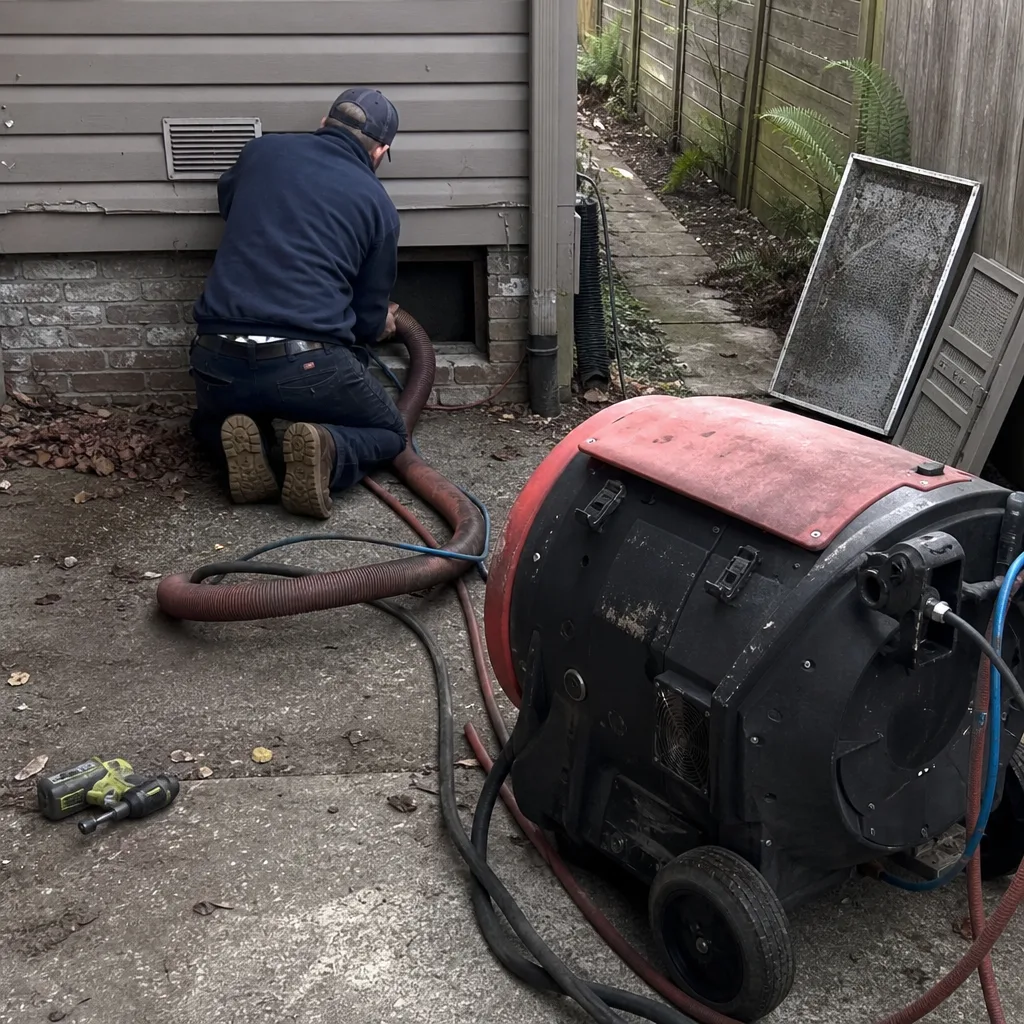 Before
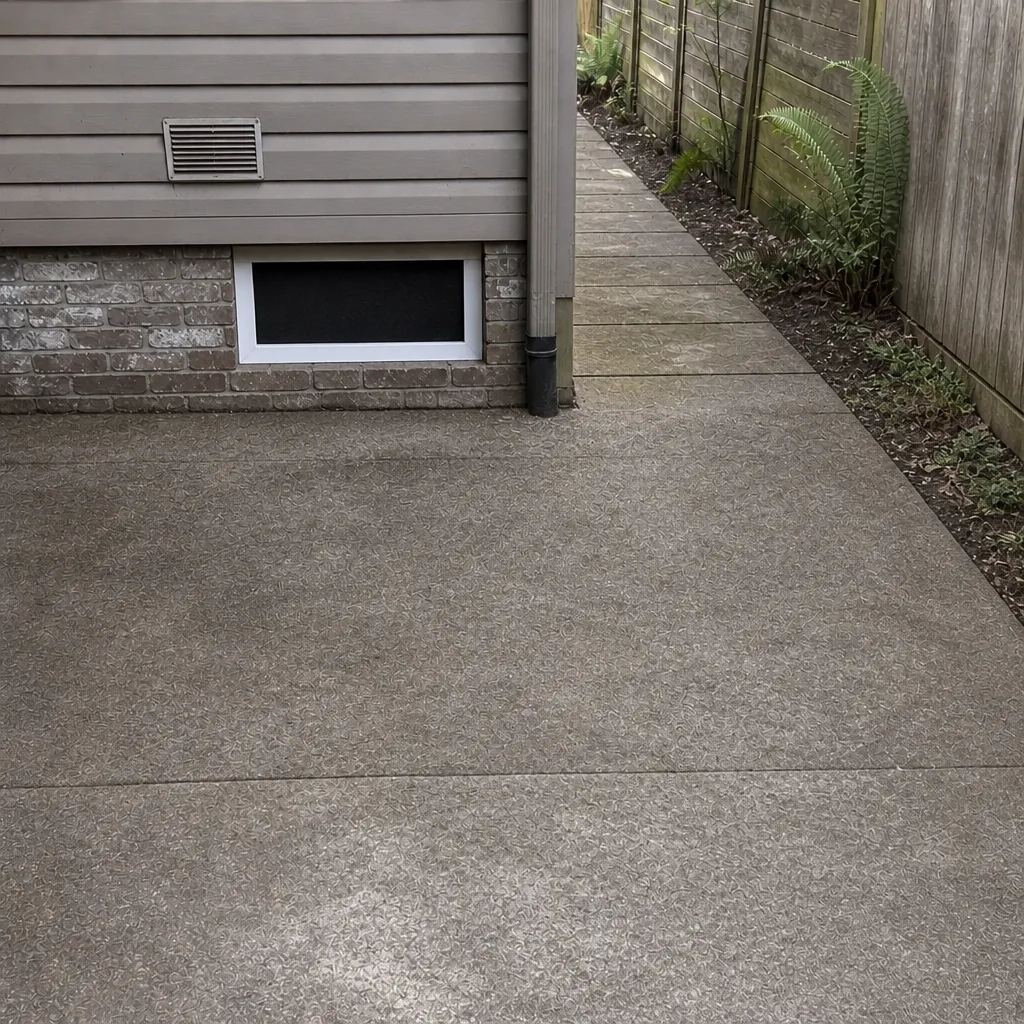 After
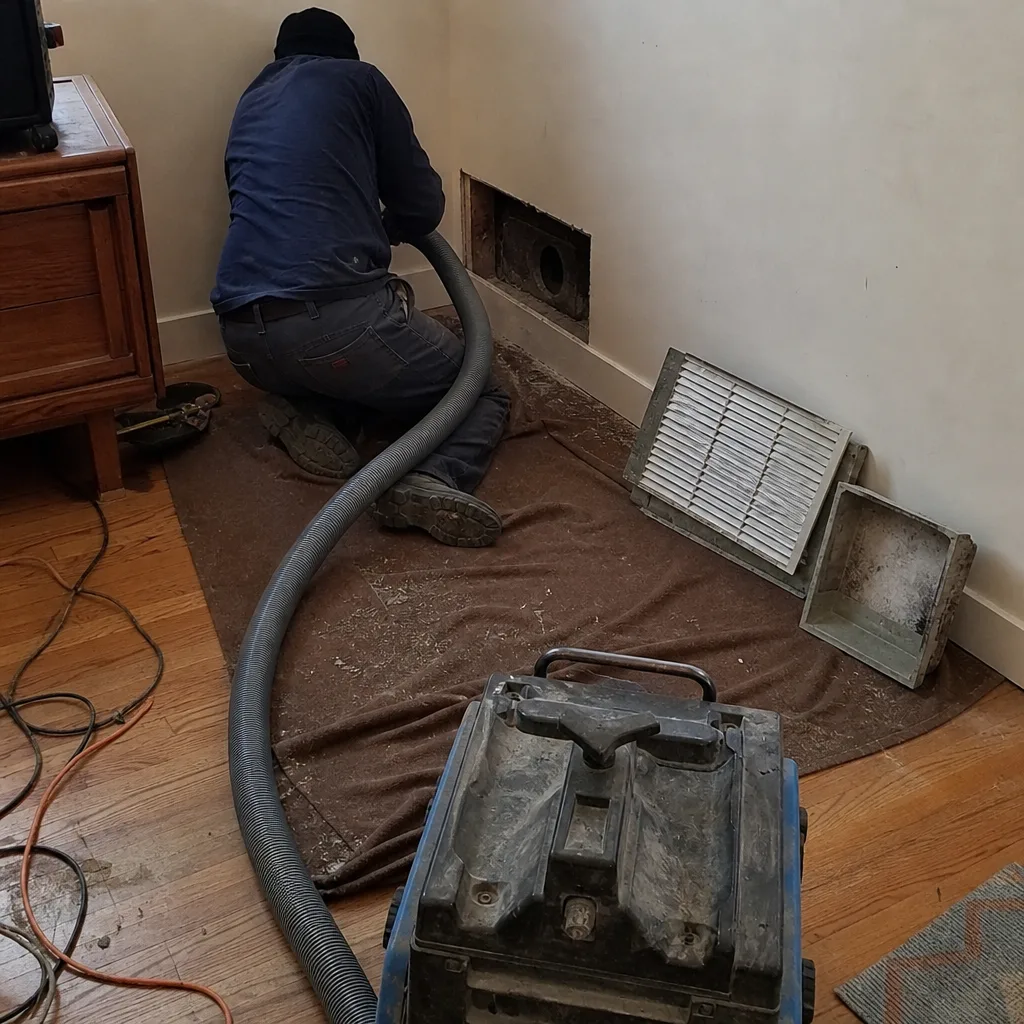 Before
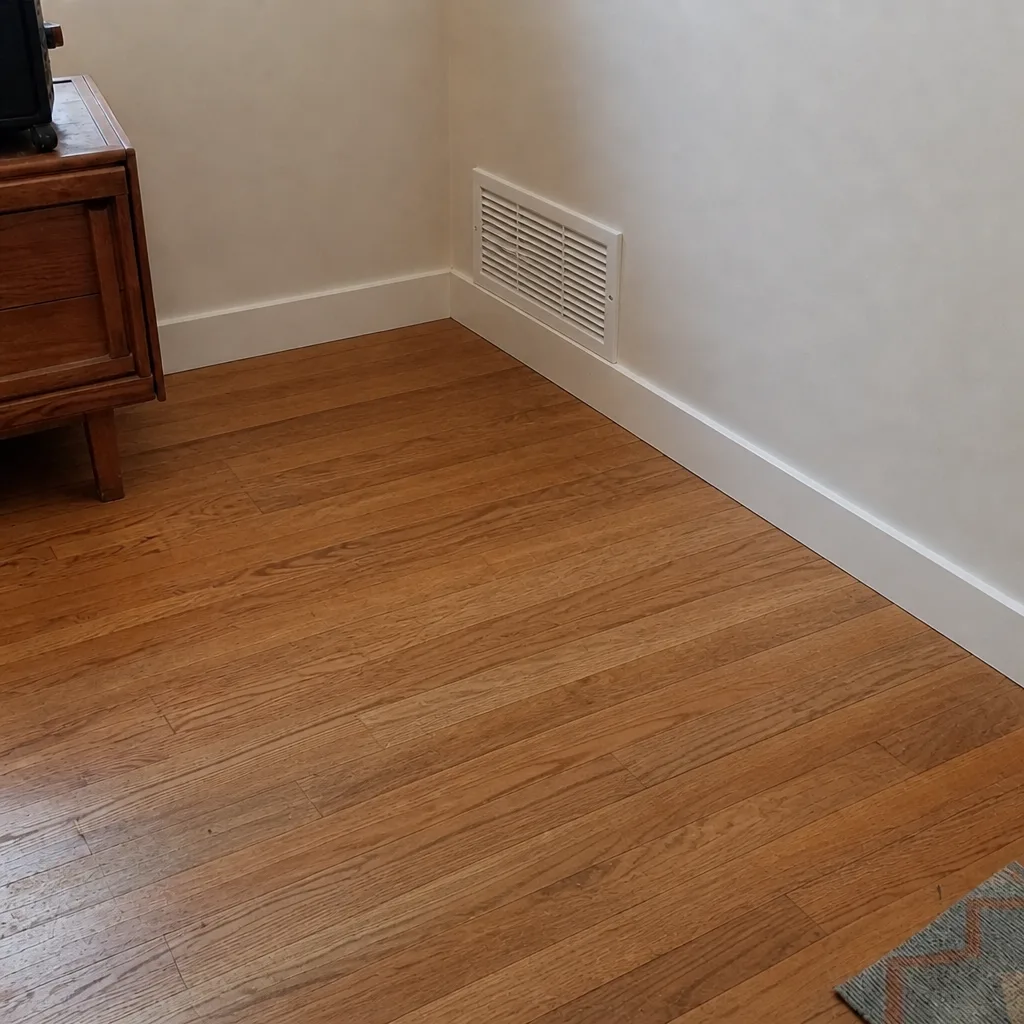 After
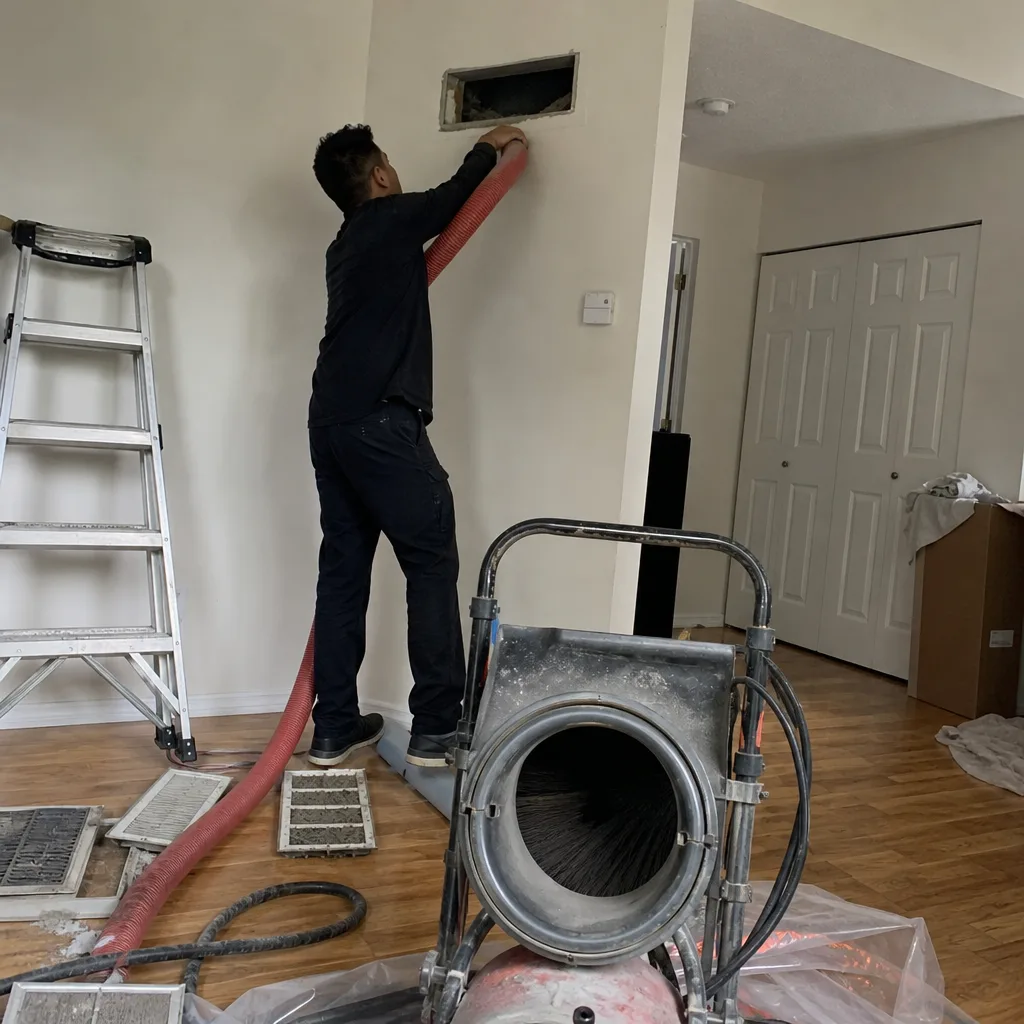 Before
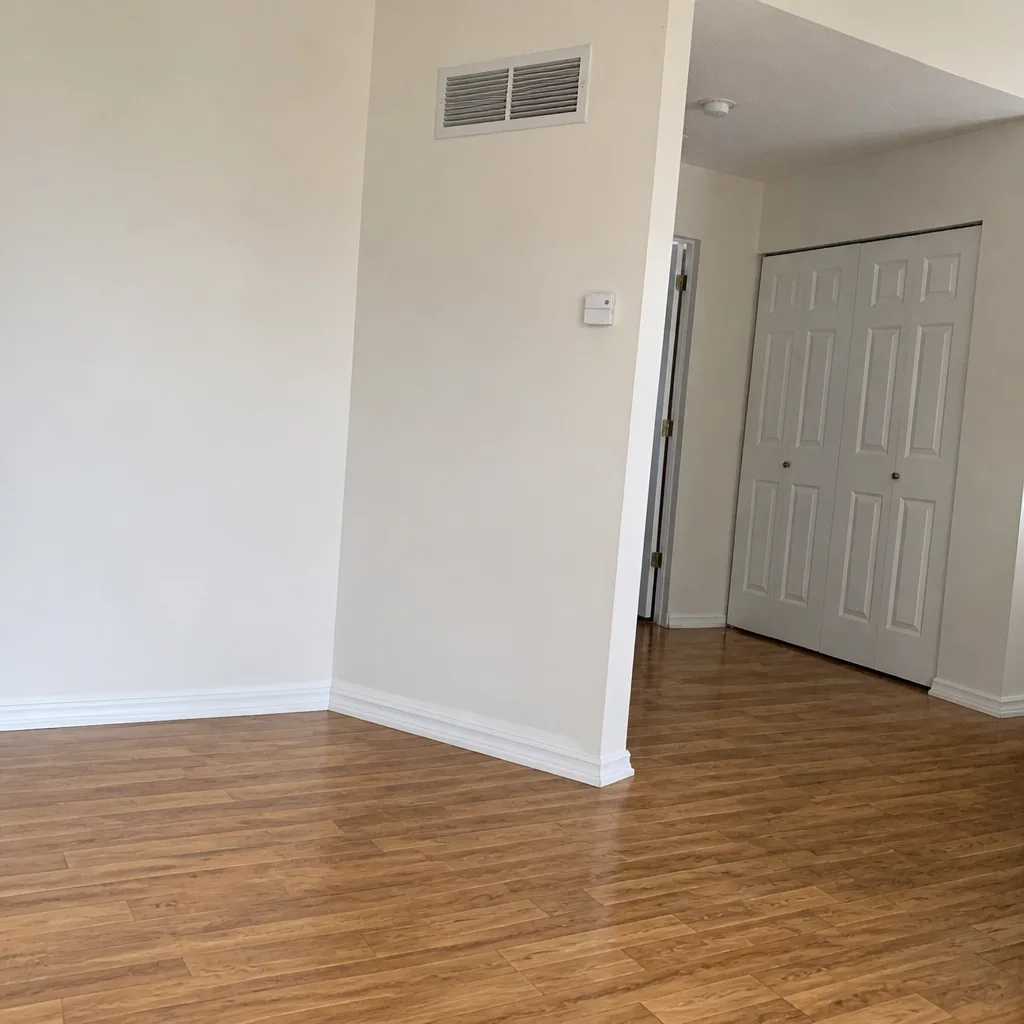 After
When to Call a Professional
Duct cleaning isn’t something most homeowners need on a calendar schedule. It’s needed when there’s a reason. Call a professional if you’ve recently finished a remodel that generated significant dust, if you’ve moved into a Redmond home and don’t know when the ducts were last cleaned, if you’re noticing visible debris blowing out of the registers, if the system has been running with a torn filter, or if someone in the household has respiratory sensitivity and the ducts haven’t been addressed. Dryer vents are their own category – every household should have that checked, and the safety case is stronger than the maintenance case. Duct cleaning on any of these triggers is worth a proper appointment, scheduled to fit your week rather than a rushed afterthought. Redmond Air Duct Cleaning Co offers free estimates in Redmond – call (877) 792-7059. We answer 24/7. Fast dispatch from 7am to 7pm, Sunday through Friday.
Frequently Asked Questions
Air duct cleaning in Redmond is priced per system, not per vent, and the price is set by a written estimate after an in-person walk-through. Quotes should reflect the size and layout of your ductwork, the equipment required, and any repairs or sealing needed. Be cautious of any quote built around a per-vent rate or a flat whole-house special. Call (877) 792-7059 for an exact quote – estimates are free.
Washington State does not license air duct cleaning as a trade, so there’s no state license to check. That makes your own vetting more important, not less. Verify equipment, confirm NADCA membership where applicable, ask about pre-inspection and documentation, and insist on a written scope of work before work begins. Those four checks cover what a license would normally tell you.
Ask specifically about a truck-mounted or high-CFM negative pressure unit, a contact vacuum with an agitating head, and an inspection camera. Those three are the baseline for a legitimate clean. If the company can name the manufacturers – Rotobrush, Nikro, or Abatement Technologies are the common names in the trade – that’s a good sign they’re running professional-grade gear.
Cheap quotes are usually cheap because the scope is smaller than the price suggests. Per-vent pricing, no pre-inspection, no camera documentation, and rushed crews all reduce labor, and the savings show up in the results. The EPA has warned about $99 whole-house specials used as bait-and-switch, and those offers do appear in Redmond. A price that sounds too good to be true usually is.
You ask for before-and-after camera footage from the same duct sections, and you read the written job summary. A technical contractor expects to show you results. If a company can’t demonstrate the work visually, the work didn’t happen in a way you can verify. Ask before you book, and the conversation at the end of the job becomes straightforward.
There’s no universal schedule, and any company that says otherwise is guessing. Clean ducts when there’s a reason: after a remodel, after moving into a home of unknown history, after a system has run with a damaged filter, or when visible debris is reaching the registers. Redmond’s older housing stock near downtown may justify a check more often than newer construction, but the trigger should be evidence, not a calendar.
The Bottom Line
The air duct cleaning industry in Washington has almost no licensing barrier, which means the skill that matters most is the one covered in this guide – knowing which questions separate a technical contractor from a price-shopper trap. Verify equipment brands like Rotobrush, Nikro, or Abatement Technologies. Insist on a pre-inspection. Ask for a written scope of work with a flat price per system. Check NADCA membership. Watch for per-vent pricing, no-walk-through quotes, and door-to-door solicitations. Ask for before-and-after camera footage when the job is done. If you’d like to start with a walk-through instead of a phone quote, call (877) 792-7059 for a free estimate. We answer 24/7. Fast dispatch from 7am to 7pm, Sunday through Friday.
Get a Free Estimate in Redmond
We handle air duct cleaning and the related work that keeps a system running clean: dryer vent cleaning for the fire safety side, HVAC cleaning for the air handler and coil, duct repair and sealing for the leaks and disconnected runs that undercut the clean, and air quality and sanitizing services for homeowners who want the whole system addressed. Our technicians have up to 11 years of experience, and we work with professional-grade equipment from Rotobrush, Nikro, and Abatement Technologies. When the job warrants it, we also work with Honeywell and Aprilaire air quality components. If you’re ready to book a walk-through or want a straight conversation about what your Redmond home actually needs, call (877) 792-7059 for a free estimate. We answer 24/7, with fast dispatch from 7am to 7pm, Sunday through Friday. You can also reach the Redmond Air Duct Cleaning Co team directly for anything else.
Written by the team at Redmond Air Duct Cleaning Co.