
Last updated November 25, 2026
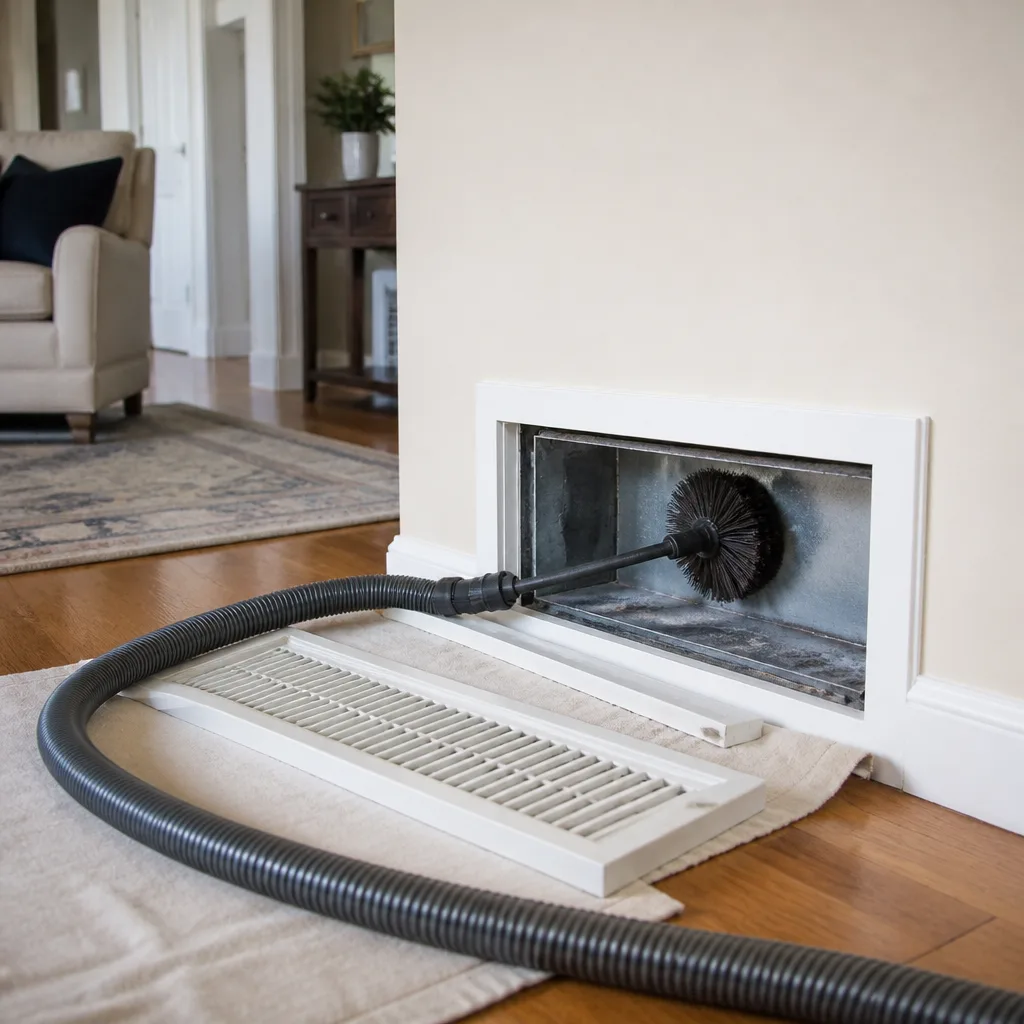 Whole-home duct cleaning
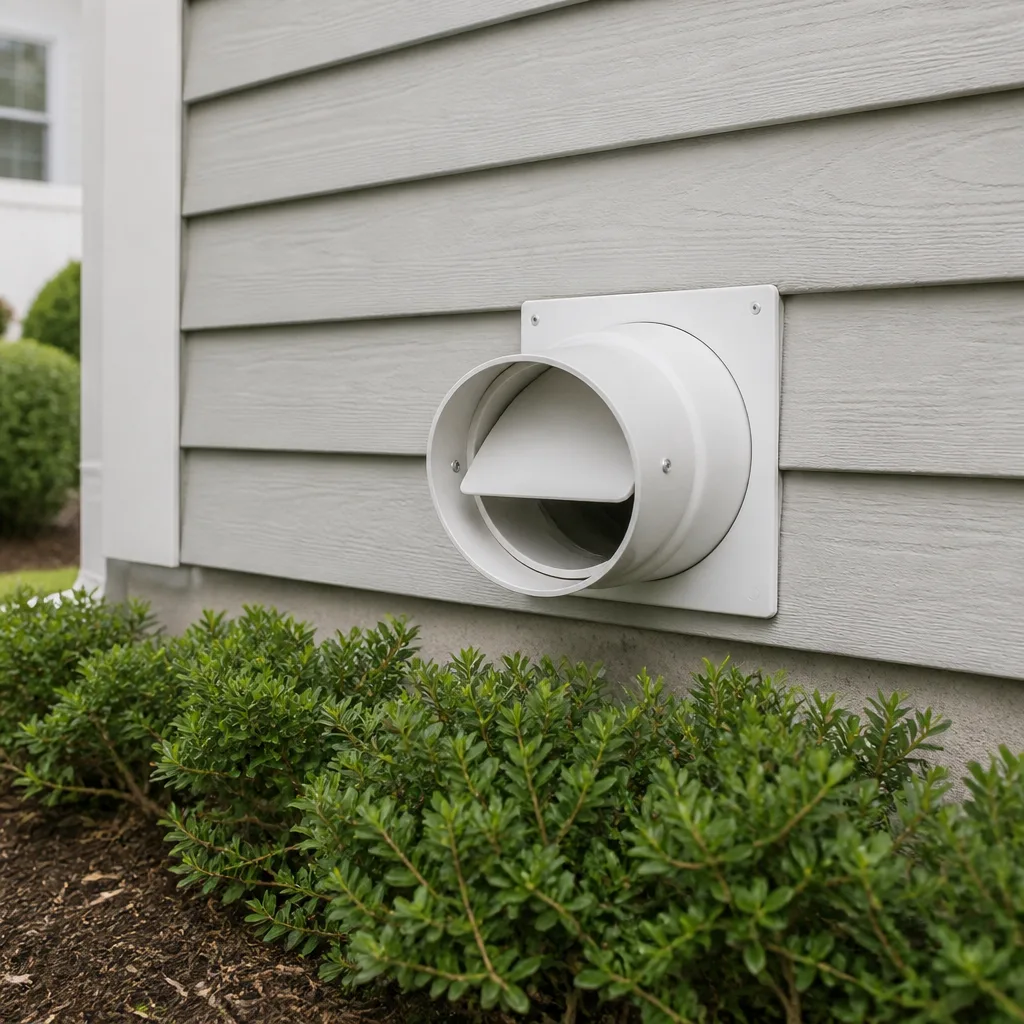 Dryer vent cleaning
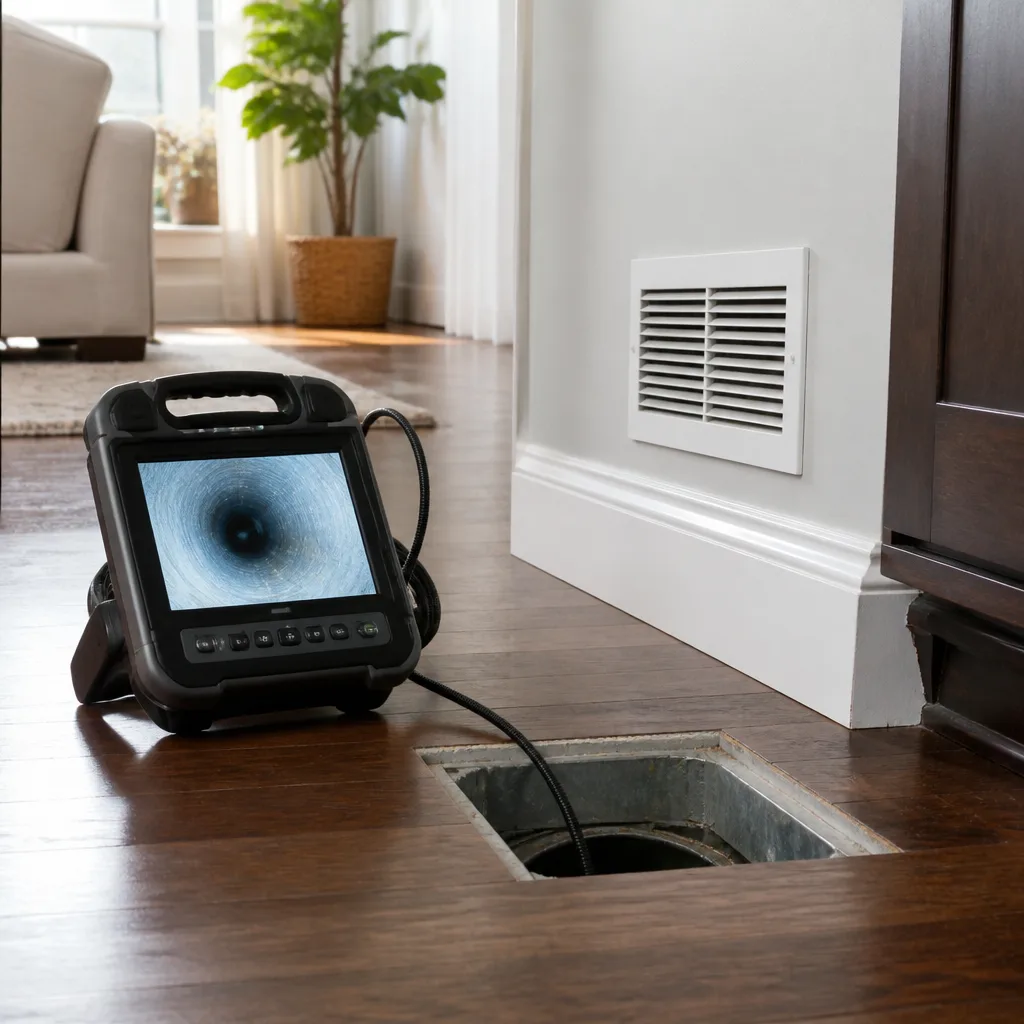 Camera inspection
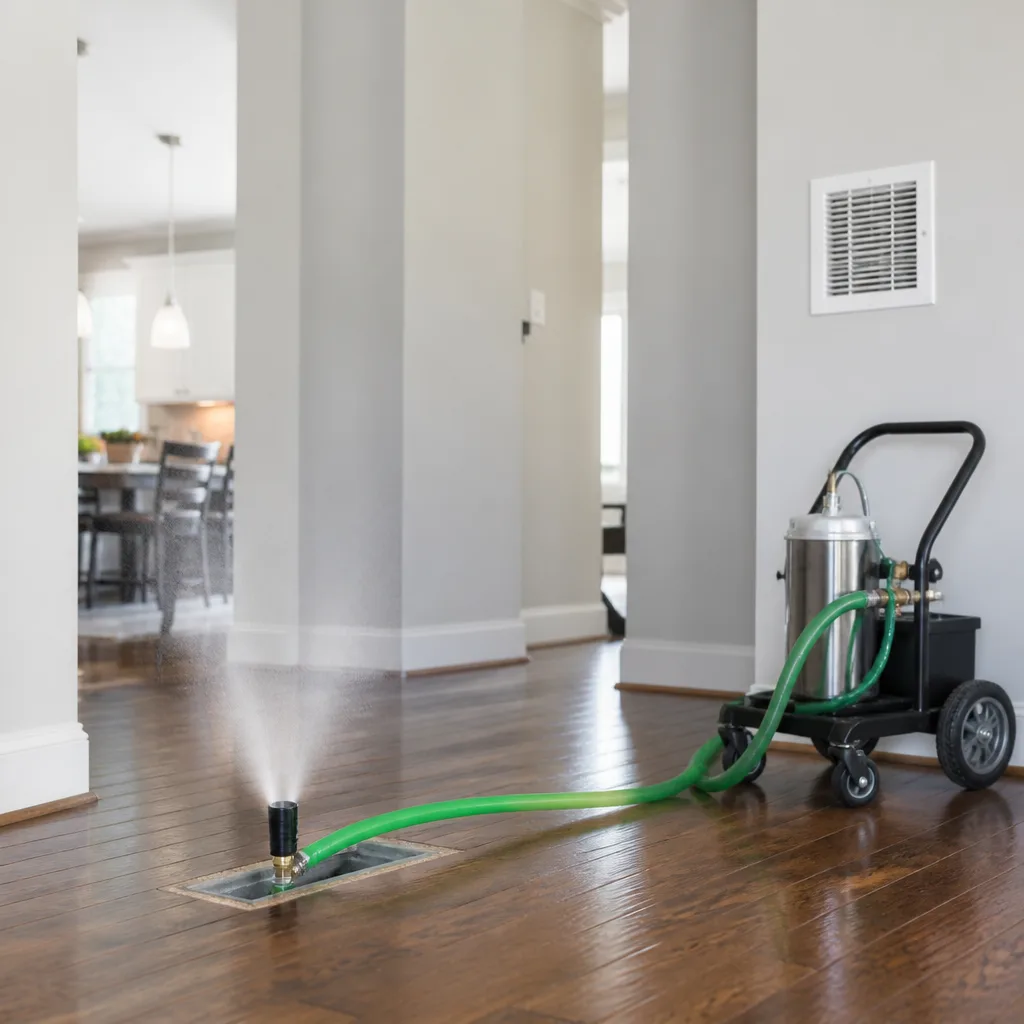 Sanitizing & deodorizing
Whole-system duct and dryer vent check with before-and-after photos - you see exactly what came out of your vents
That "$99 whole-house special" is a bait ad - the real number appears once they are in your hallway, or the "clean" is a shop-vac at the register. We photograph the inside of your ducts before and after instead.
Air Duct Cleaning Emergency Preparedness Guide for Redmond Homes
Most homeowners treat the duct system as a set of pipes that either work or don’t. That’s the misconception this guide corrects. In Redmond, the duct system also acts as a distribution network for whatever gets into the air around your house. Wildfire smoke that settles over the Sammamish Valley for a week. A power outage that stalls the blower while dust and pest debris collect in the returns. A moderate earthquake that shifts insulation and drywall dust into attic runs through gaps you can’t see. When the system comes back on, all of it travels to every room. What follows is a framework for planning ahead, a step-by-step process for what to do after an event, and honest guidance on when inspection is enough and when the system needs professional extraction.
Quick Answer
Before restarting your HVAC after a wildfire smoke event, power outage, or earthquake in Redmond, inspect the filter and every accessible duct connection first, and if you find soot, displaced debris, or damaged flex duct, have the system assessed by a professional before running the blower. A post-emergency inspection is not the same as a full cleaning. Inspection tells you whether the system is safe to operate. Cleaning is warranted when contamination is confirmed inside the ductwork, not as a precaution.
Styles & brands we work with
- Whole-home duct cleaning
- Dryer vent cleaning
- Camera inspection
- Sanitizing & deodorizing
Table of Contents
- Why Redmond Has a Specific Duct Emergency Risk Profile
- The Pre-Event Checklist: What to Set Up Before Anything Happens
- How to Shut Down Your HVAC Correctly During a Smoke Event
- Post-Wildfire Protocol: Before You Turn the System Back On
- Post-Earthquake Duct Inspection Priorities
- After a Power Outage: What Changes in the Ductwork
- How to Document Duct Condition for Insurance
- Inspection Versus Full Cleaning: Which Do You Actually Need?
- Common Mistakes to Avoid
- When to Call a Professional
- Frequently Asked Questions
- The Bottom Line
Why Redmond Has a Specific Duct Emergency Risk Profile
Redmond sits in a place where three different emergency scenarios overlap, and each one hits the duct system in a different way. Understanding the profile is what makes preparation possible instead of theoretical.
Wildfire smoke. The Puget Sound region is not a wildfire zone, but smoke from fires east of the Cascades regularly moves into the area during the late summer and early fall. When that happens, outdoor air quality in Redmond can drop for days at a stretch. Every time a door opens or the system cycles, fine particulate matter finds a way in. Some of it settles in the return ducts and on the blower housing, where it stays long after the sky clears.
Seismic activity. The Puget Sound region sits near active fault systems, which means a moderate earthquake is a realistic planning assumption rather than an abstract worry. In a house, seismic movement shakes loose exactly the materials that contaminate ducts: attic insulation fibers, drywall dust from hairline cracking at seams, and debris from pest activity in the attic and crawlspace. These particles do not stay put. They collect at unsealed penetrations and flex duct connections, waiting for the blower to pull them in.
Extended power outages. Windstorms in western Washington routinely take out power for hours or days. When the blower is off for a long stretch, the system stops moving air, and dust, pest debris, and condensation collect in the ducts and at the air handler. When power returns, the first cycle distributes all of it through the house.
The common thread is this: in Redmond, the duct system is where the effects of all three scenarios converge. Prepared homeowners know in advance what to check and in what order.
The Pre-Event Checklist: What to Set Up Before Anything Happens
Preparation is the part most homeowners skip, and it’s the part that makes the biggest difference. None of these items takes long to address, and each one reduces the risk of contamination reaching every room in the house.
Seal the vulnerabilities you can see
Walk your duct runs and look for the places contamination gets in. In Redmond homes, the usual suspects are attic penetrations where flex duct passes through framing, unsealed plenum seams at the air handler, and return duct joints in the garage or crawlspace.
- Check every flex duct connection at the plenum and at each register boot. A loose collar or torn outer jacket is an open door for attic insulation and pest debris.
- Look at the plenum seams and any sheet metal joints. Gaps at the seams let debris into the supply side during a smoky period or after seismic movement.
- Confirm that attic and crawlspace penetrations around duct runs are closed. These are the entry points that matter most after an earthquake.
- Note any duct runs that sag or rest on joists unsupported. Movement during a seismic event stresses unsupported runs first.
Keep the right filter on hand
Have a spare filter in the correct size for your air handler before you need it. During a multi-day smoke event, filters load up faster than usual, and a clogged filter forces the blower to work harder while doing a worse job of protecting the system. Whatever your system’s manufacturer specifies is the filter to buy, not the highest number on the shelf. A filter that’s too restrictive for the blower can reduce airflow and create its own problems. If professional assessment is warranted after an event, our technicians have up to 11 years of experience evaluating system condition and can tell you what your system is designed to handle.
Know how to shut the system down
During a smoke event, the most effective single action is often to turn the system off and keep it off. Find the thermostat and the air handler switch now, before the sky turns orange and you’re searching for them in the dark.
How to Shut Down Your HVAC Correctly During a Smoke Event
Running the HVAC during heavy smoke is worse than doing nothing. The blower pulls outdoor air and smoke into the return system, and the filter catches some of it while letting the rest through. In Redmond, during a heavy smoke event, shutting down the system is the first line of defense for indoor air quality. Here is the sequence that works.
- Switch the thermostat to OFF. Not fan-only, not auto. Off. The system should not cycle on its own.
- Turn off the air handler power switch. There is usually a switch on or near the unit, separate from the breaker. This prevents an unexpected call for air while the smoke is thick.
- Close windows and doors, and seal the obvious gaps. Weatherstripping around doors and a towel at the base of a sliding door helps more than most people expect.
- Keep interior doors open. Closed rooms in a sealed house can get stuffy, and open doors help even out temperature and humidity.
- Skip cooking that creates smoke – searing, broiling, anything with a heavy pan – until the outdoor air clears. Indoor combustion sources stack on top of the outdoor problem.
When the smoke clears, you’ll need a plan for restart, and that’s covered further down in the post-wildfire protocol section. If smoke enters the house through the system anyway – which happens in older duct systems with leaks – the air duct cleaning process is usually the right answer once the event has passed.
Post-Wildfire Protocol: Before You Turn the System Back On
Do not simply flip the thermostat back to auto and let the system run. The first thing the blower does after a smoke event is move whatever collected in the ducts during the shutdown. In our experience, the restart is the moment that determines whether the contamination stays contained or spreads through the house.
Step one: inspect the filter
Pull the filter before anything else. Look for a uniform gray-brown tint across the whole surface, which means normal loading. Look for uneven staining, darker patches, or a smell of smoke on the filter itself. If the filter is dark or shows irregular loading, it has been handling more than it can hold, and some smoke has passed through. Replace it before restart. If the filter is heavily loaded or the interior of the cabinet has visible soot, that’s a sign contamination has gotten past the filter.
Step two: check the returns and the air handler cabinet
A flashlight into the return duct and the air handler cabinet will tell you a lot. Visible soot films, particulate settled on the blower wheel, or debris in the cabinet mean smoke has made it into the system proper. That changes the decision from “restart and watch” to “have it assessed.”
Step three: run the fan briefly with the house ventilated
If the filter is clean, the cabinet shows no soot, and the return looks unremarkable, a short fan-only cycle with windows open is a reasonable way to verify that the system smells and behaves normally. If you smell smoke when the system starts, shut it off and call for assessment.
Step four: replace the filter again after the first full run
After the first day of operation, pull the filter one more time. If it has loaded noticeably in a single day, the ducts are still shedding particulate and a professional assessment is the right next step. Our HVAC cleaning process addresses the blower, coil, and cabinet, not just the duct runs, which is where smoke residue tends to linger longest.
Post-Earthquake Duct Inspection Priorities
A moderate earthquake shakes loose exactly the materials that matter. In Redmond, the homes most affected are those with attic duct runs and older flex connections. The blower will pull anything it can reach into the system, so the priority is to verify the system is intact before running it.
Check these locations in order. Stop if you find damage at any point.
- Flex duct connections at the plenum. Inspect where the flex connects to the main trunk and to the air handler. Look for collars that have slipped, outer jackets that have torn, and connections that have separated from the plenum boot.
- Attic runs. Look for ducts that have fallen off hangers and now rest on joists, sagging runs, and any place where the insulation layer is cracked or the inner liner is visible.
- Plenum seams and cabinet panels. Check that panels have not shifted and seams have not opened. Debris can enter through a compromised plenum seam and get distributed to every branch.
- Register boots. Confirm that boots have not separated from flooring or drywall. A boot that’s moved out of position lets wall or subfloor dust into the supply side.
- Return plenums and access panels. Verify that access panels are still seated and that no gap has opened between the return duct and the framing.
If any of these are compromised, do not run the system until the ductwork is repaired. The right sequence is: fix the rupture first, then clean the system, then restart. That’s why we offer Duct Repair & Sealing alongside cleaning; running a blower through a broken duct pushes attic insulation into the house faster than it can be cleaned out. For system-level inspection and cleaning, our HVAC cleaning service addresses the whole assembly, not just the branches.
After a Power Outage: What Changes in the Ductwork
An outage is quieter than an earthquake, but it does its own damage. When the blower stops for hours or days, air stops moving through the system. That has three consequences worth knowing.
- Dust settles where it was suspended. Fine particulate that would normally be captured by the filter or carried through the return drops onto the duct interior and the blower housing. When power returns, the first cycle stirs it up.
- Condensation collects at the air handler. In a western Washington outage, especially during a cool, damp stretch, the coil and cabinet may collect condensation with no airflow to dry them. That’s a condition mold needs, and it’s one reason to inspect the cabinet after any long outage.
- Pest activity ramps up. Rodents and insects treat an inactive duct run as shelter. A long outage is an invitation, and the sign is droppings in the return or at the plenum. If you see any, call for assessment before running the system.
After power returns, run the fan for a few minutes with the house ventilated, watch the filter, and note any odor. If the system smells musty or smoky after the first cycle, that’s a signal the system needs professional attention. The dryer vent cleaning side of your house deserves the same look after a long outage: a dryer that has sat unused in damp conditions is worth checking for lint and airflow before the next load.
How to Document Duct Condition for Insurance
Most homeowner policies cover sudden damage from a covered peril, not gradual contamination. The difference between a claim that moves and one that stalls is documentation, and the right time to document is before the event and immediately after it.
Before the event
Take photos of every accessible duct run, the air handler, the filter, and the plenum. Date-stamp the photos. This baseline shows the condition of your system before anything happened, which is the single most useful piece of evidence if you ever need to file a claim. It also gives you your own record of sealing condition, so you know what was already compromised and what wasn’t.
Immediately after the event
- Photograph the filter. A close-up of the loading pattern is direct evidence of smoke or debris exposure.
- Photograph the air handler cabinet and blower. A flashlight shot into the cabinet shows soot, debris, or condensation.
- Photograph any duct damage. Disconnected flex runs, sagging ducts, separated boots, and open plenum seams each need their own photo with enough surrounding context to show where they are.
- Photograph the source if there is one. If attic insulation has shifted into a duct run, photograph the insulation and the duct in the same frame.
- Keep a simple written log. Date of event, date you shut the system down, date you restarted it, and what you observed each day. This is the kind of detail that supports a claim.
What to request from a contractor in writing
Ask for a written report that describes the condition of the flex connections, plenum seams, cabinet interior, and duct interior at inspection. Ask specifically for before-and-after photos of the duct interior in the runs that were cleaned, labeled with which run each photo represents. A written report and labeled photo set are far more useful to an adjuster than a receipt.
Inspection Versus Full Cleaning: Which Do You Actually Need?
Not every post-emergency event requires a full cleaning. Treating every event as a cleaning job is one of the ways this industry loses trust, and it isn’t necessary. What you actually need depends on what the inspection finds.
Inspection is likely sufficient when:
- The filter shows normal loading and was replaced promptly after the event.
- The air handler cabinet and blower show no soot, debris, or moisture.
- Duct connections are intact and the interior of the return looks unremarkable under a flashlight.
- The system runs without odor after a brief fan-only cycle.
- There was no power outage long enough to allow condensation to develop.
Full cleaning is warranted when:
- Visible soot films, particulate deposits, or pest droppings are present in the return or at the plenum.
- The filter loaded heavily in a short period, indicating heavy contamination upstream.
- The air handler cabinet or blower wheel shows soot, debris, or biological growth.
- A duct connection was compromised and the system was run anyway, pulling attic insulation or wall cavity dust into the supply runs.
- A long outage allowed condensation in the cabinet, and there is a musty odor.
- Post-wildfire smoke smell persists in the system after filter replacement.
Abatement-grade contamination calls for equipment built for it. We use Rotobrush and Nikro systems, and our air quality work uses Abatement Technologies equipment, which is designed for environments that require filtration at remediation standards. When the assessment points to full cleaning, the work needs extraction, not a shop vac and a brush.
Common Mistakes to Avoid
- Restarting the system to “see what happens” after a smoke event. The first cycle is the moment contamination spreads through the house. Inspect first, then run.
- Assuming a fresh filter is a full solution. A new filter catches airborne particulate but does nothing for what has already settled in the return and on the blower. If the ducts are contaminated, the filter can’t clean them out.
- Running the system with a compromised flex connection. In Redmond homes with attic runs, a single disconnected flex duct pushes insulation fibers into every room downstream. Fix the rupture before you run the blower.
- Skipping documentation because “the damage seems minor.” Photos taken before and after an event are the difference between a smooth claim and one that stalls on questions. Take them even if you don’t plan to file.
- Treating an inspection like a cleaning quote. These are two different services. An inspection is a condition assessment. A cleaning quote is a recommendation with a scope. Ask for both in writing.
- Ignoring the dryer vent during an event review. A dryer vent that was already partly clogged before an outage becomes a fire risk when the dryer runs again. Give it the same look you give the ductwork.
- Buying the most restrictive filter on the shelf. A filter that’s too dense for your system reduces airflow, stresses the blower, and can cause problems worse than the ones it solves. Match the filter to your system’s specification.
When to Call a Professional
Call for professional assessment when you find visible soot, debris, or pest evidence in the return or air handler; when any duct connection is compromised and the system was run afterward; when a musty or smoky odor persists after filter replacement; when a long outage allowed condensation in the cabinet; or when you’re preparing an insurance claim and need a written condition report with labeled photos. Inspection, cleaning, repair, and sealing are separate decisions, and the right starting point is a condition assessment before anything else. Redmond Air Duct Cleaning Co offers free estimates in Redmond – call (877) 792-7059. We answer 24/7. Fast dispatch from 7am to 7pm, Sunday through Friday. A call outside dispatch hours is booked into the next opening, Sunday through Friday, 7am to 7pm. One flat price per system, agreed before work starts, with before-and-after photos of your own ducts so you can see what was actually done. The local pro we connect you with is licensed and insured as the state requires.
Frequently Asked Questions
Not automatically. You need a condition assessment first. If the filter shows normal loading, the air handler cabinet is clean, and the return ducts show no soot or odor, the system likely needs only a filter change. If you find visible soot, heavy loading, or persistent smoke smell, cleaning is warranted. Call (877) 792-7059 for an exact quote – estimates are free.
Usually because they’re quoting less work than the job requires – often just the branch runs, with no air handler, plenum, or cabinet work included. The lower number isn’t wrong. It just doesn’t cover the parts of the system where contamination after an event actually collects. Ask what the quote includes in writing before you compare numbers. Call (877) 792-7059 if you’d like a written scope you can use to compare.
Ask for labeled before-and-after photos of the duct interior in each run that was cleaned, plus a written report of what was found and what was extracted. A written report and labeled photos are what make the work verifiable, and they’re also what an insurance adjuster wants to see. Call (877) 792-7059 – our estimates come with the scope in writing.
For most Redmond homes, a routine interval is appropriate, with an extra inspection after any major smoke event, long outage, or earthquake. Emergency events are the reason to inspect out of cycle, not to clean every year regardless. Call (877) 792-7059 if you’re not sure where your system stands.
No. If a duct connection has separated, running the blower pushes attic insulation, drywall dust, and pest debris into every downstream room in a matter of minutes. Inspect the flex connections, plenum seams, and attic runs first. If anything is compromised, repair before running. Call (877) 792-7059 to schedule an inspection.
Ask for a written condition report that describes each flex connection, plenum seam, cabinet interior, and duct interior, plus labeled before-and-after photos from each run that was cleaned. A written report is far more useful to an adjuster than a receipt. Call (877) 792-7059 to request ours – estimates are free.
The Bottom Line
In Redmond, the duct system is where wildfire smoke, seismic movement, and extended outages converge, and the restart is the moment that decides whether contamination stays contained or spreads. Prepare before the event: seal the visible vulnerabilities, keep the right filter on hand, and know how to shut the system down. After the event: inspect before you restart, fix any compromised duct connection first, and document with labeled photos. Inspection and cleaning are separate decisions, and the assessment comes before the cleaning. When the assessment points to contamination in the system, the work needs professional-grade extraction. Our technicians have up to 11 years of experience and use equipment built for abatement-level conditions. For a written assessment of your whole system, start with Redmond Air Duct Cleaning Co.
Contact
If a smoke event, earthquake, or long outage has you wondering whether your ducts need more than a filter change, call Redmond Air Duct Cleaning Co at (877) 792-7059 for a free estimate. We answer 24/7. Fast dispatch from 7am to 7pm, Sunday through Friday. A call outside dispatch hours is booked into the next opening, Sunday through Friday, 7am to 7pm. You’ll get one flat price per system, agreed before work starts, before-and-after photos of your own ducts, and a written scope – so you can see the difference and know exactly what’s covered.
Written by the team at Redmond Air Duct Cleaning Co.
See the difference
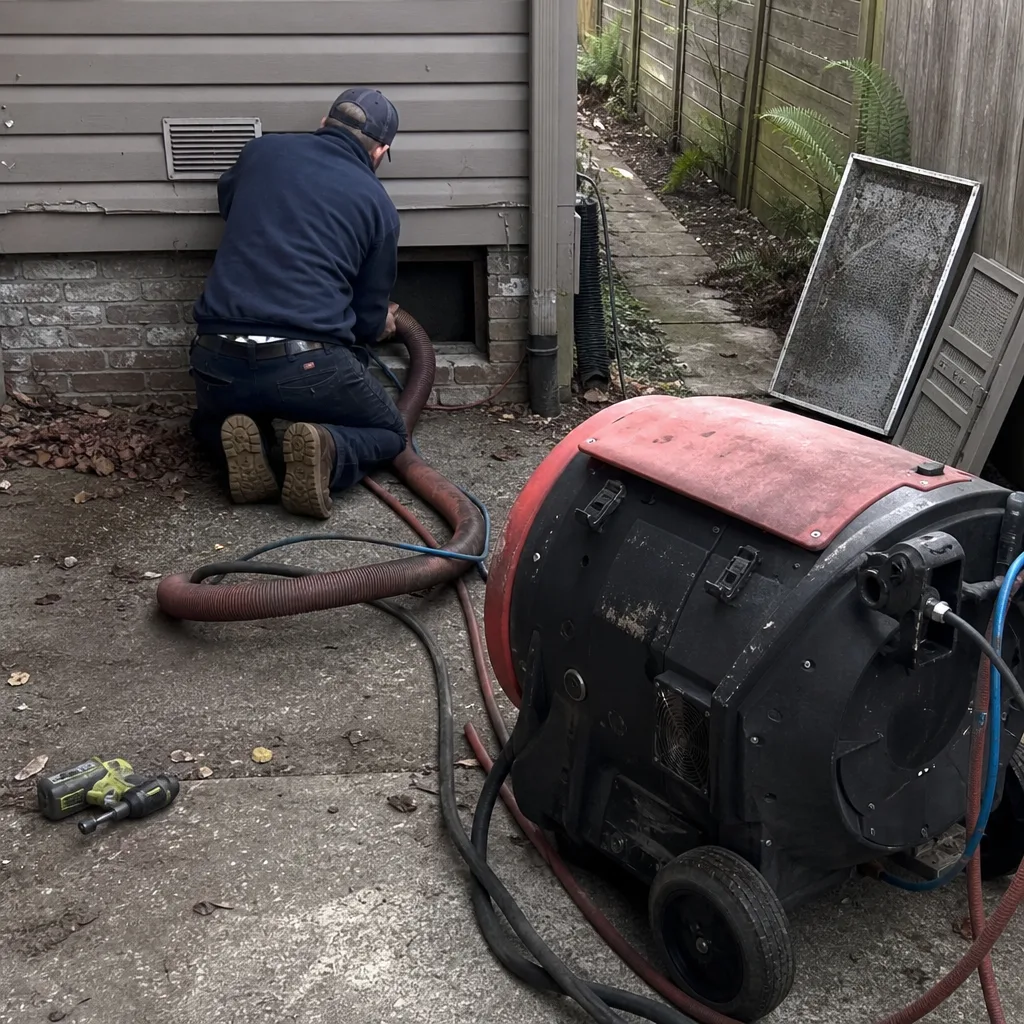 Before
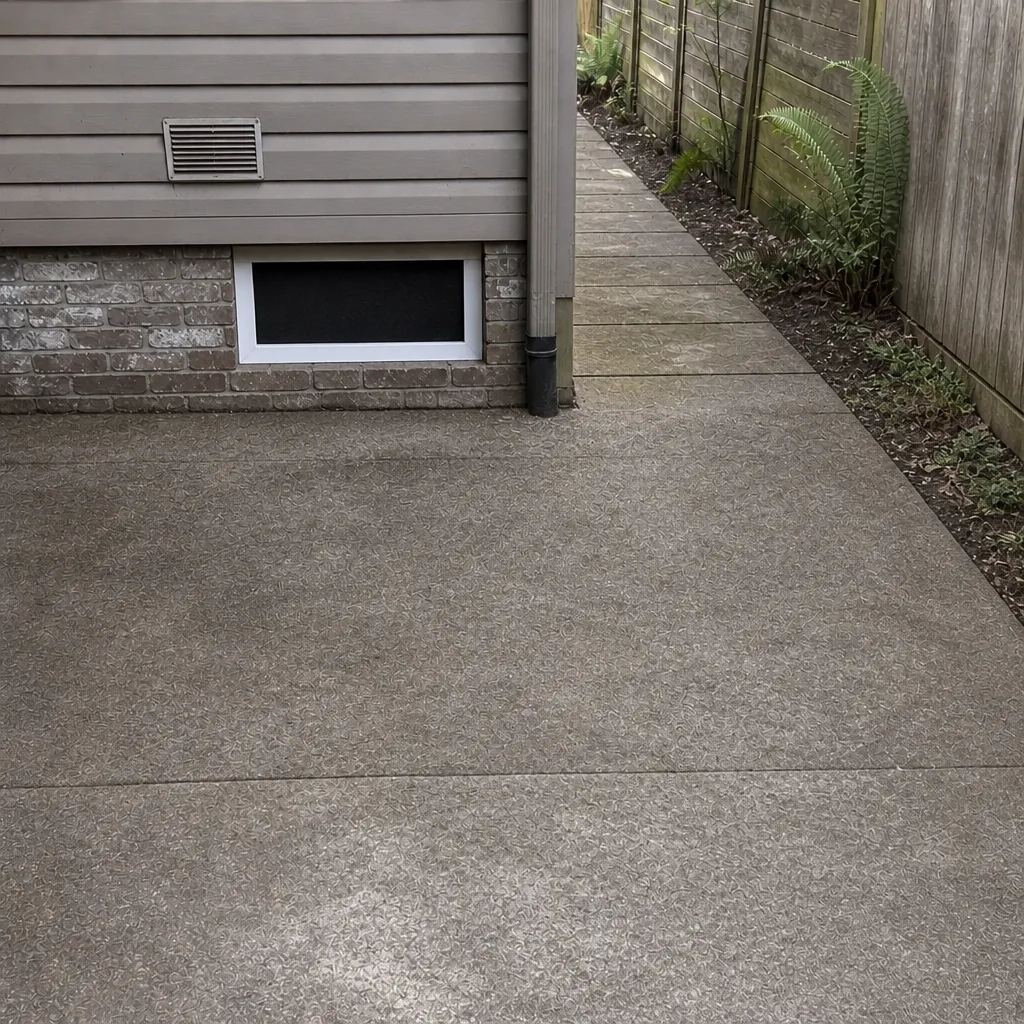 After
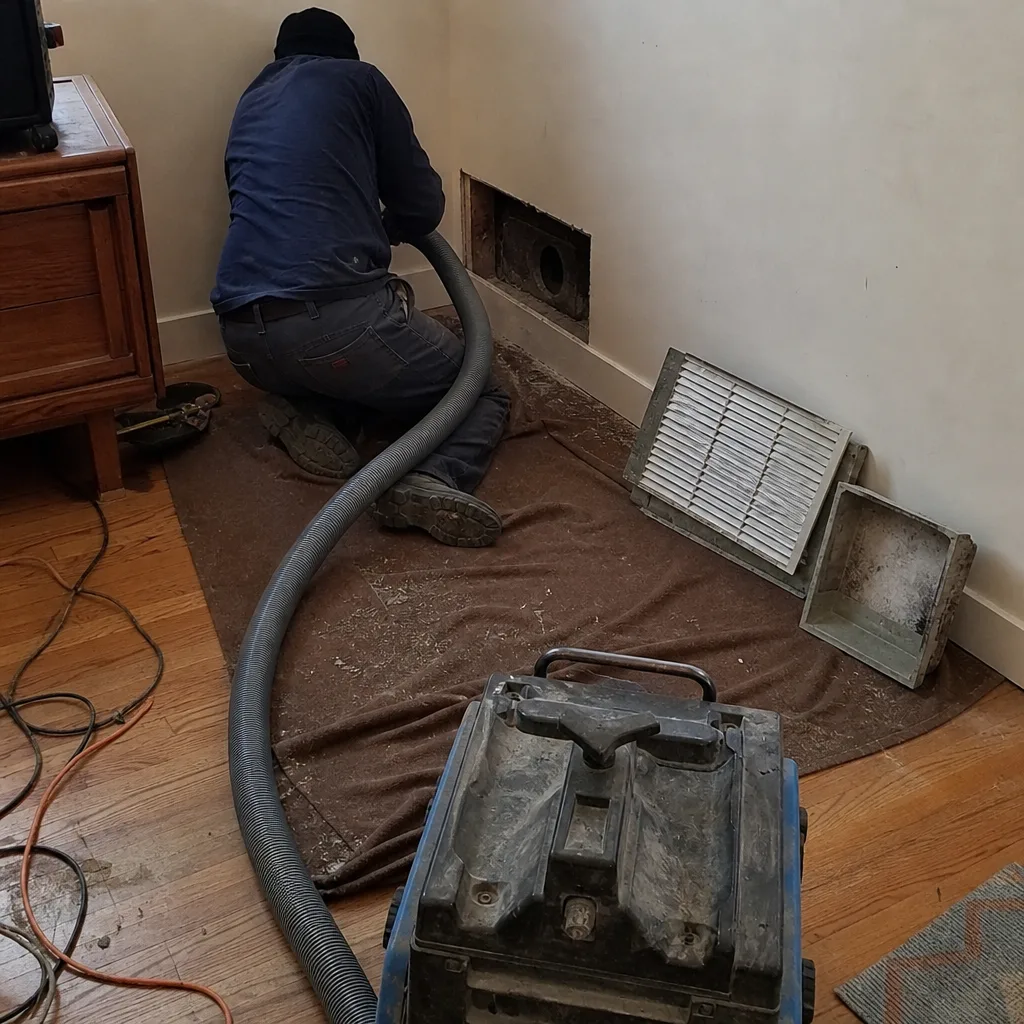 Before
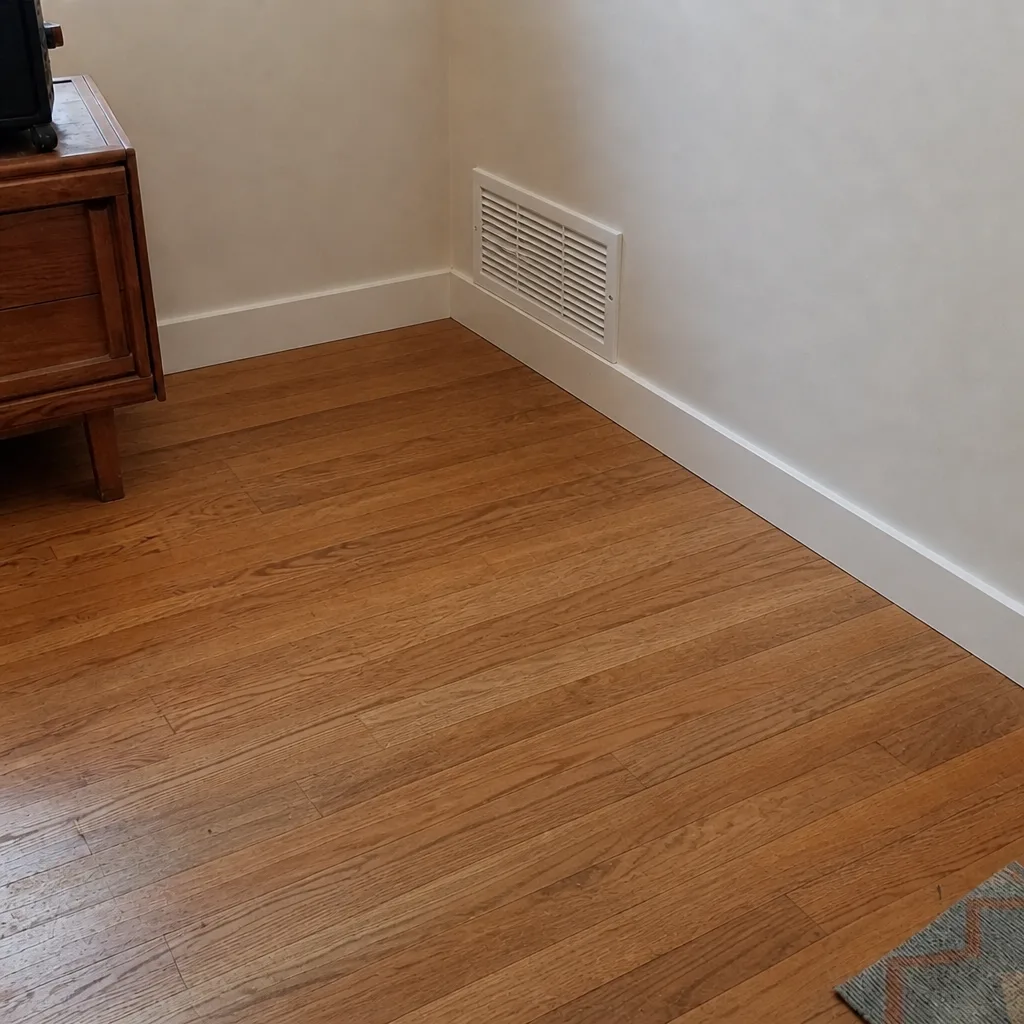 After
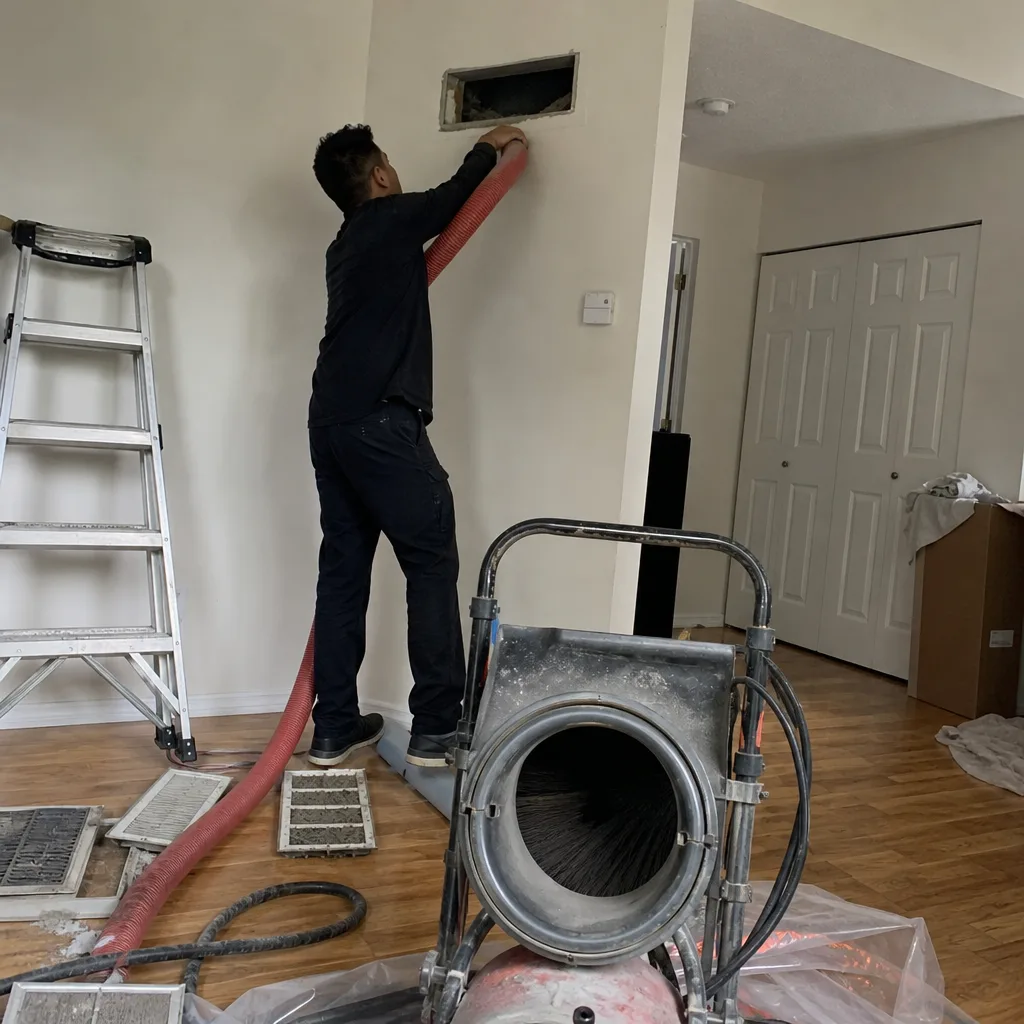 Before
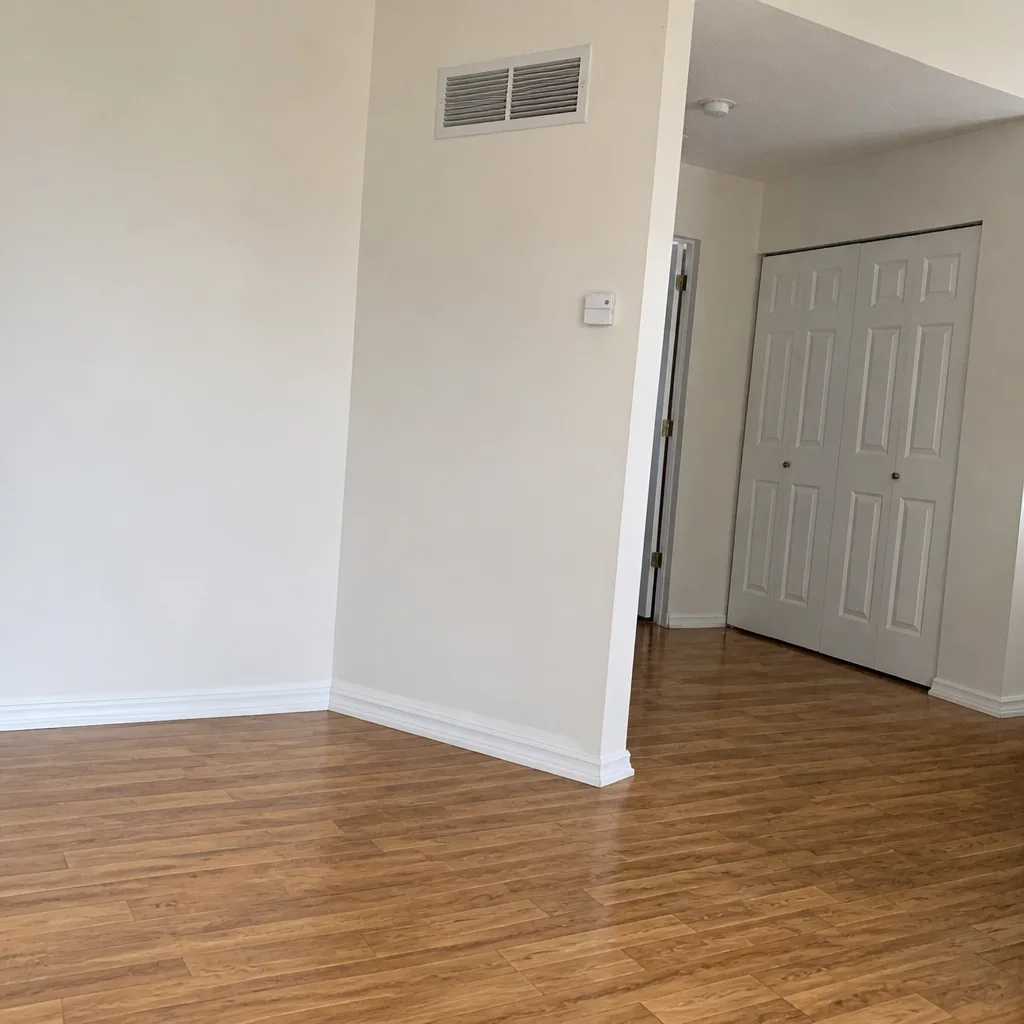 After