
Last updated November 25, 2026
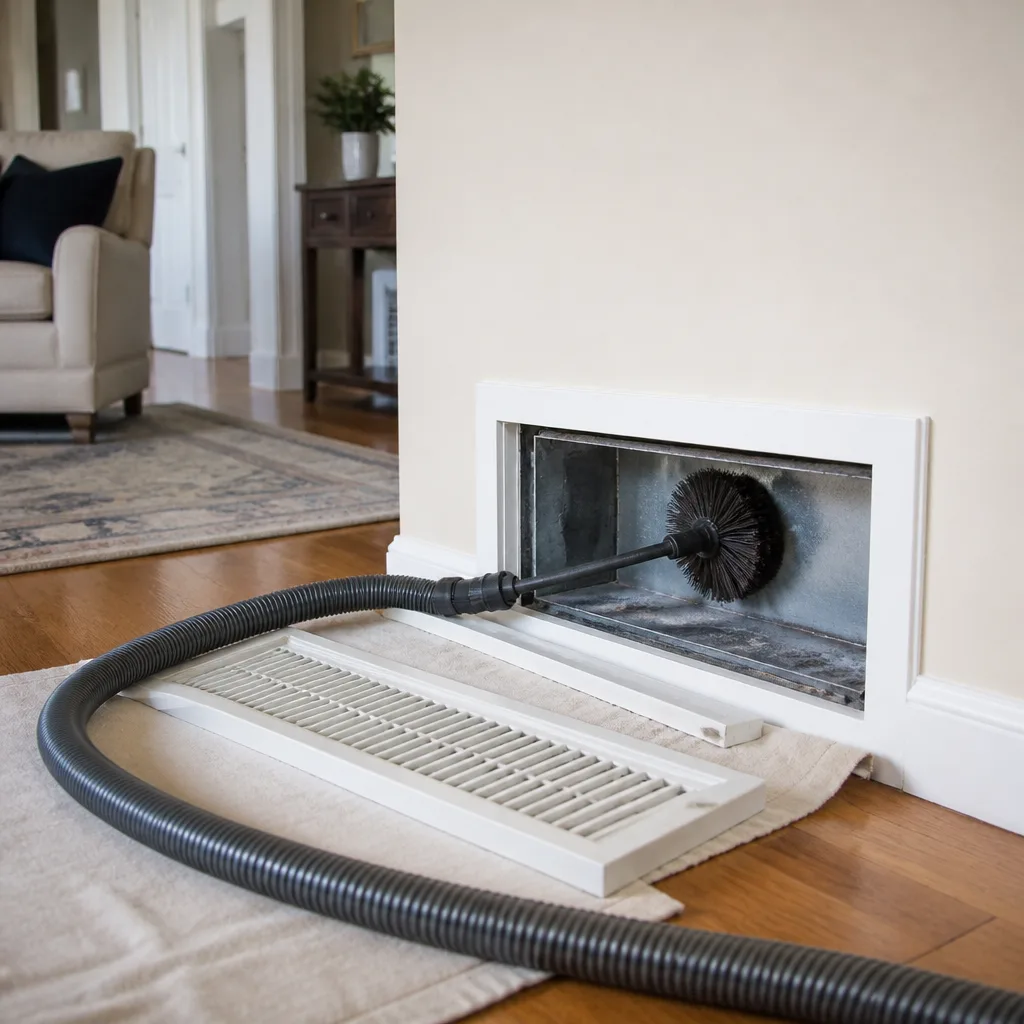 Whole-home duct cleaning
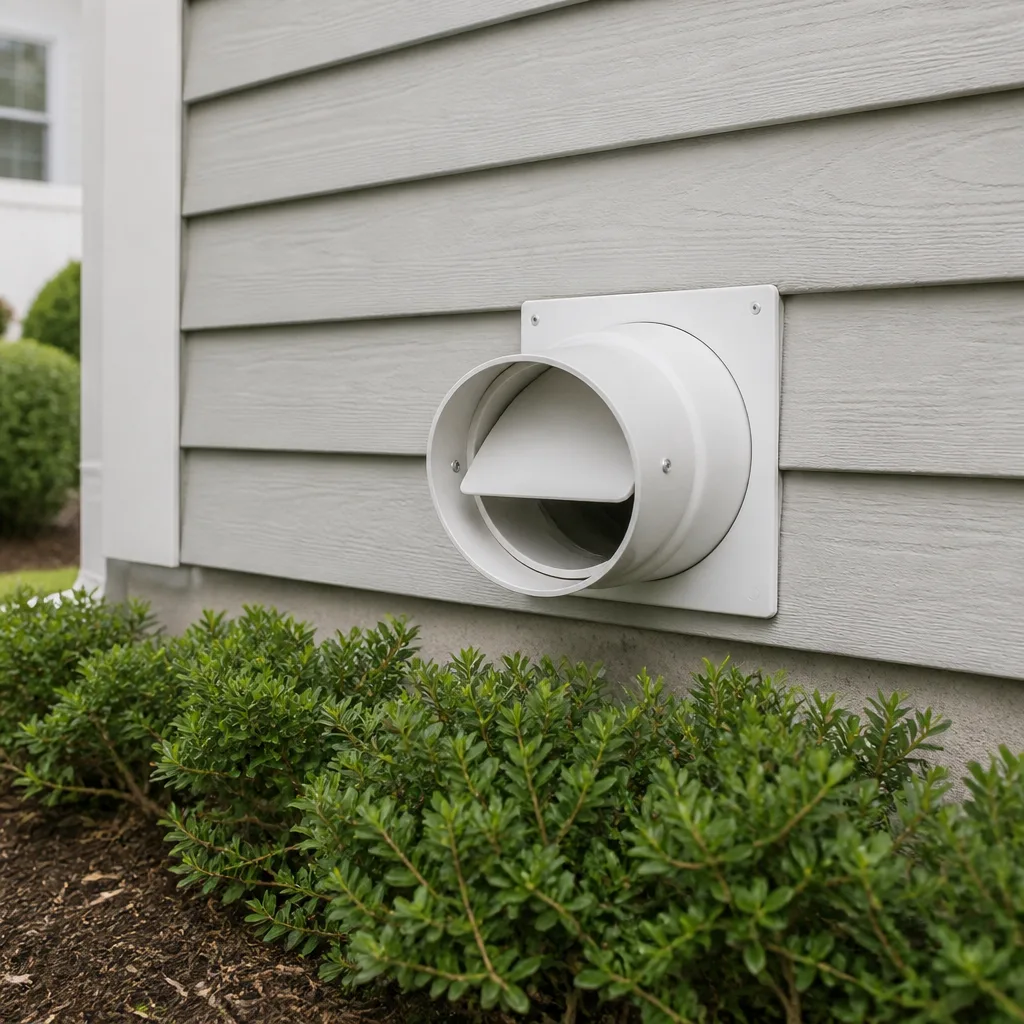 Dryer vent cleaning
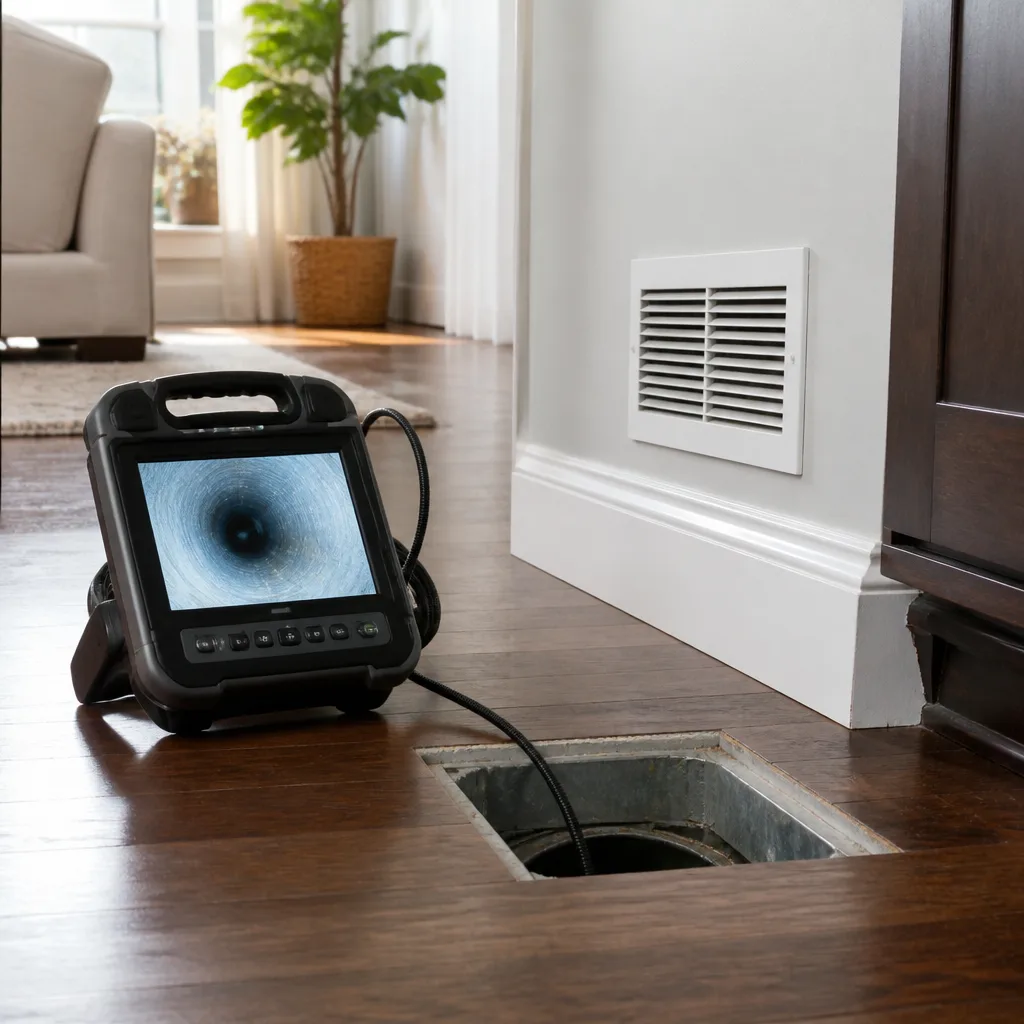 Camera inspection
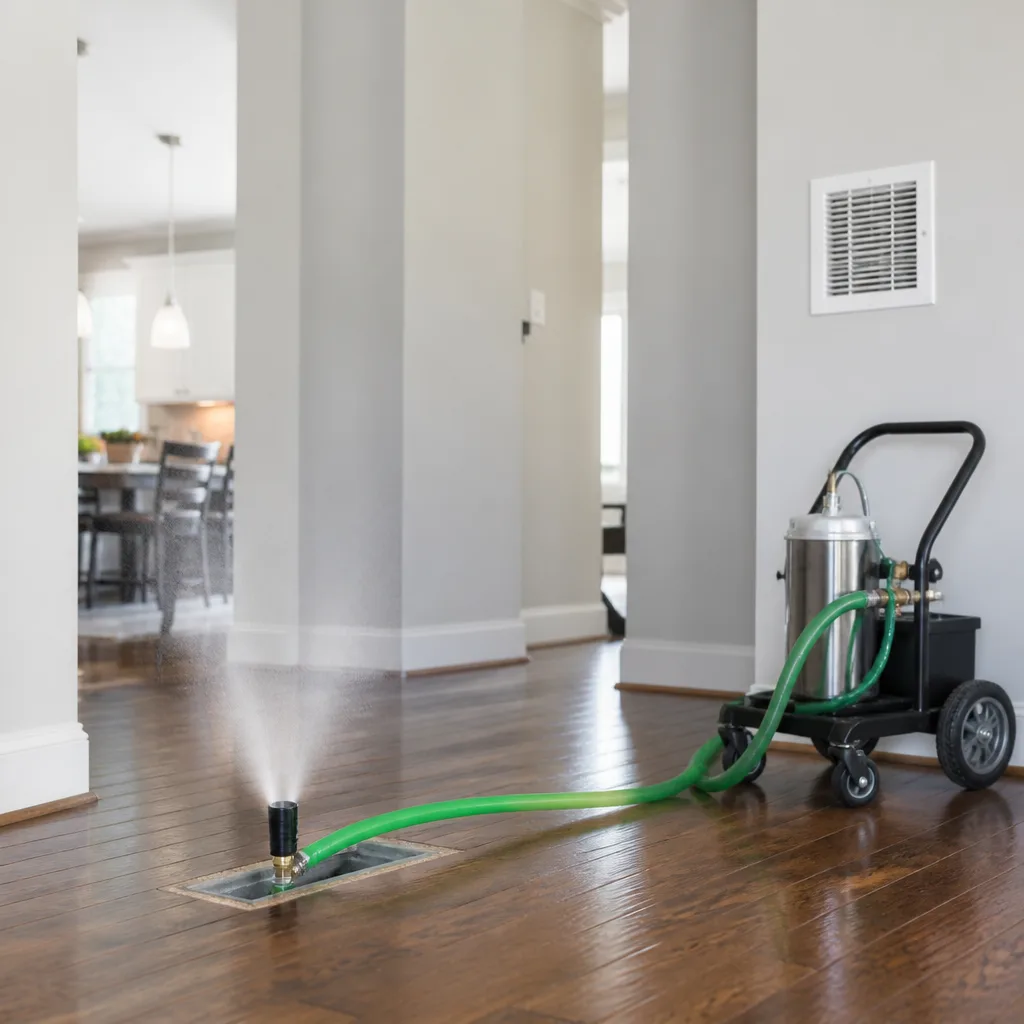 Sanitizing & deodorizing
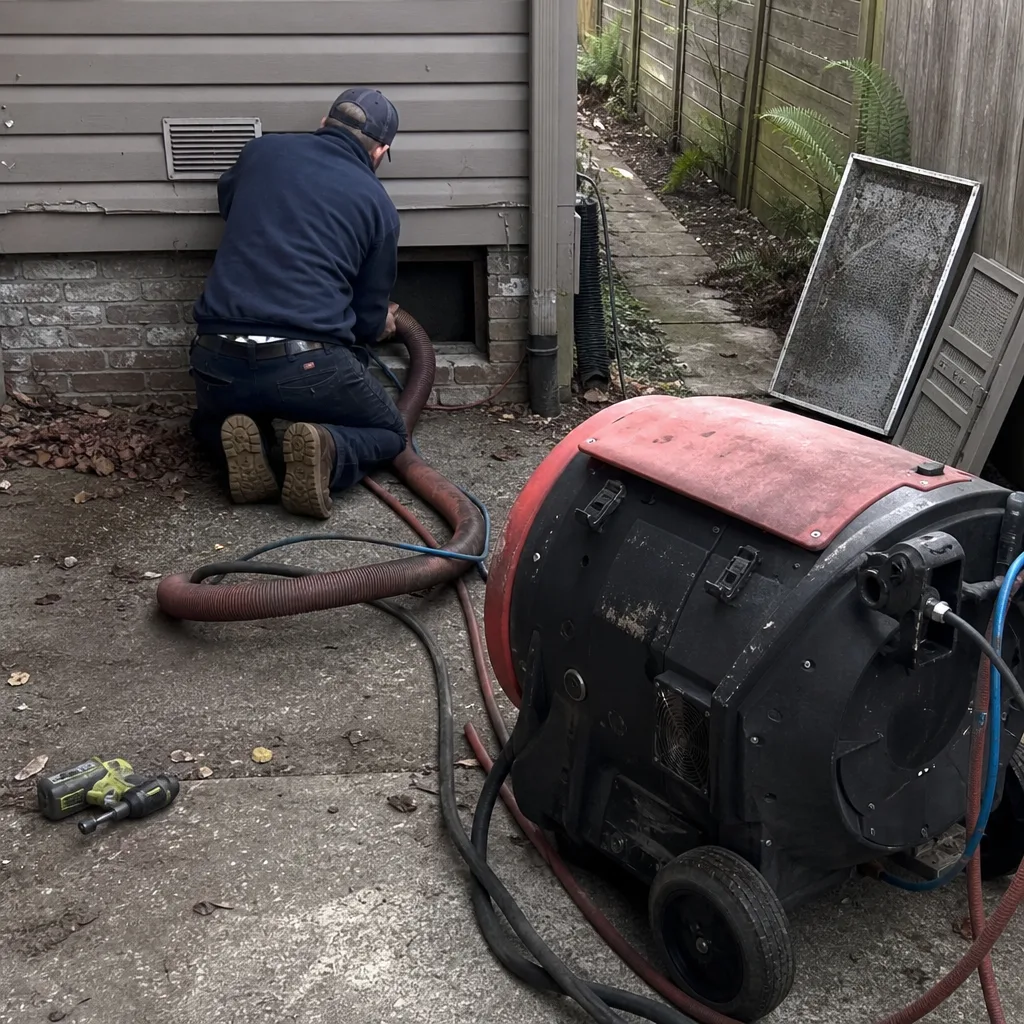
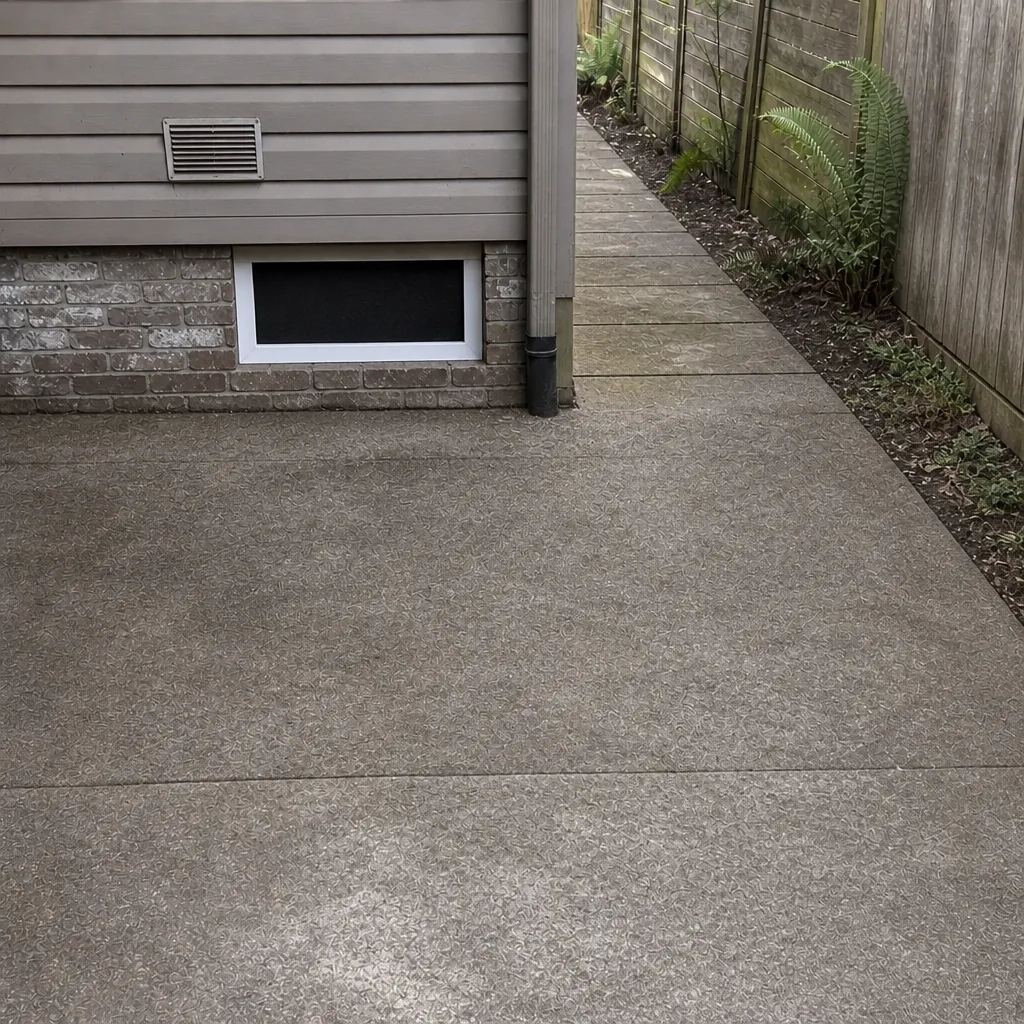
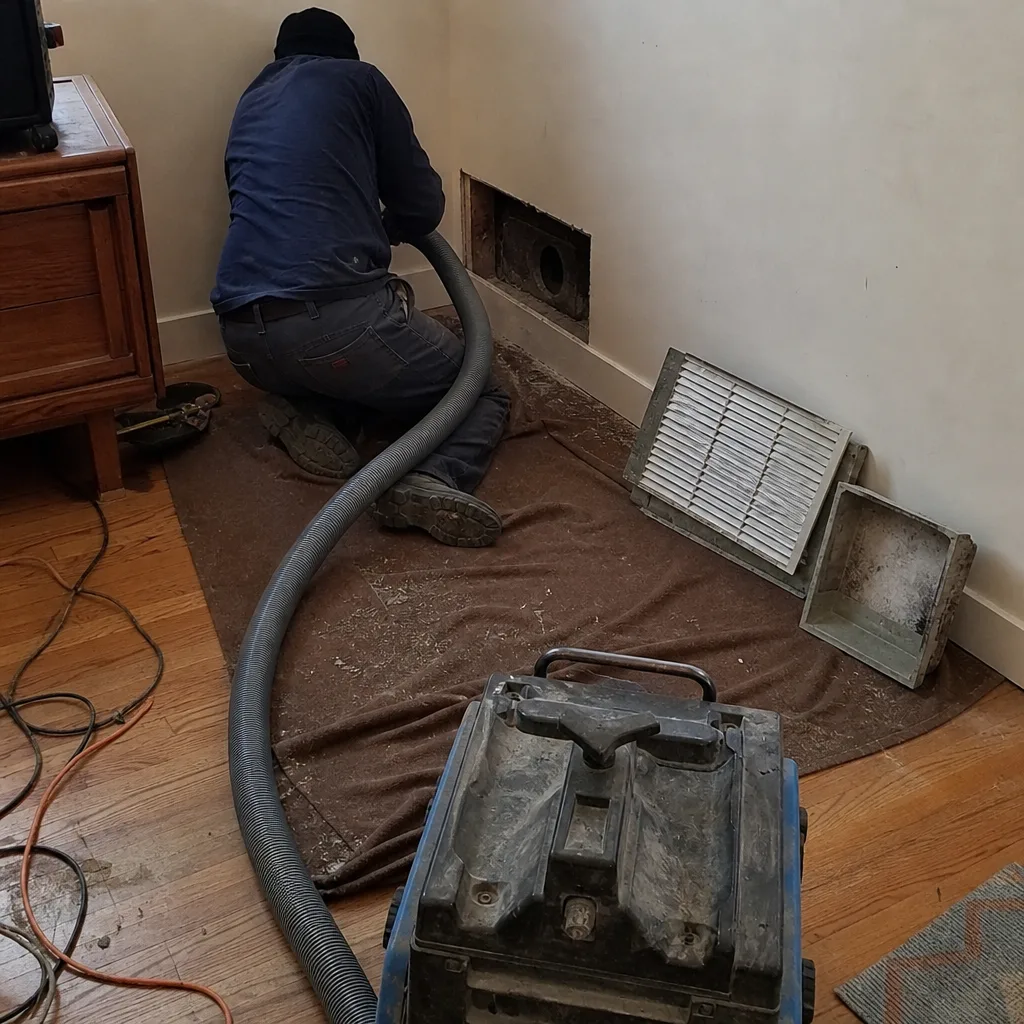
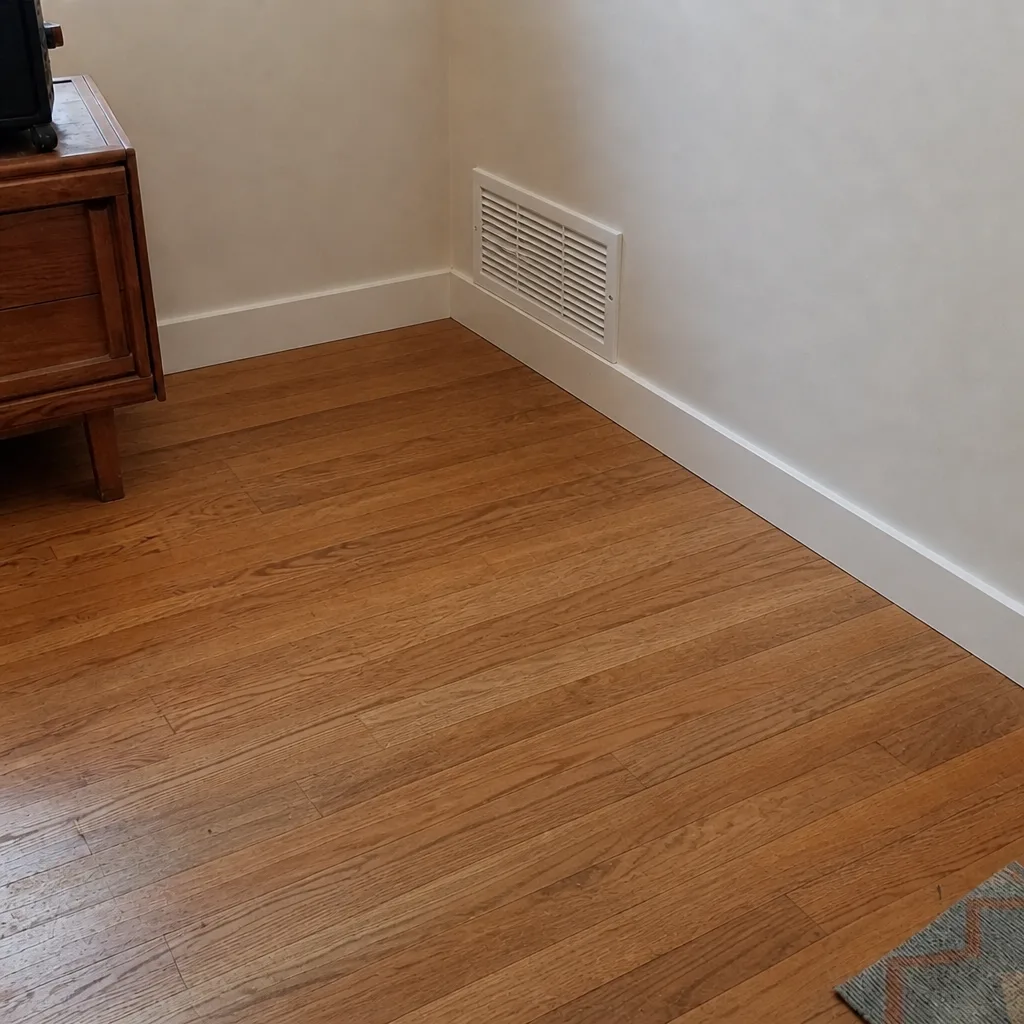
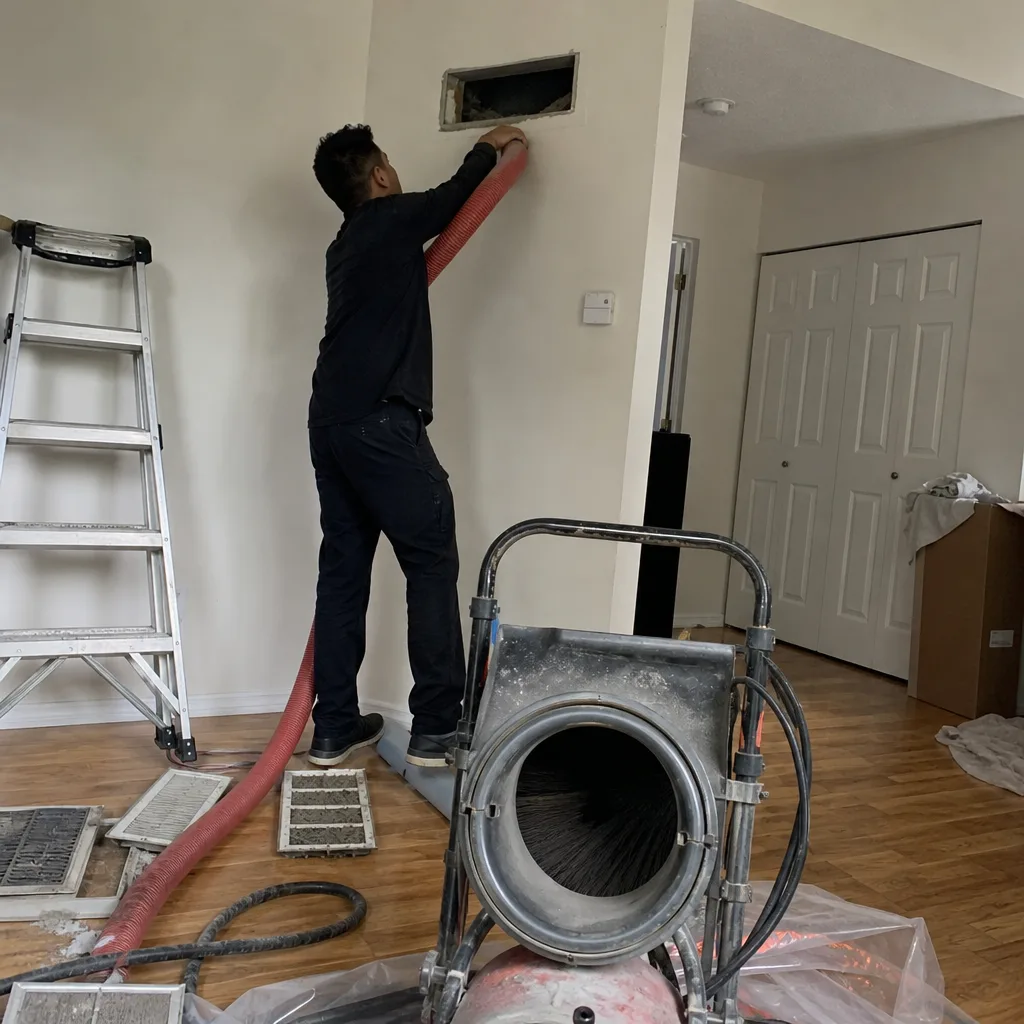
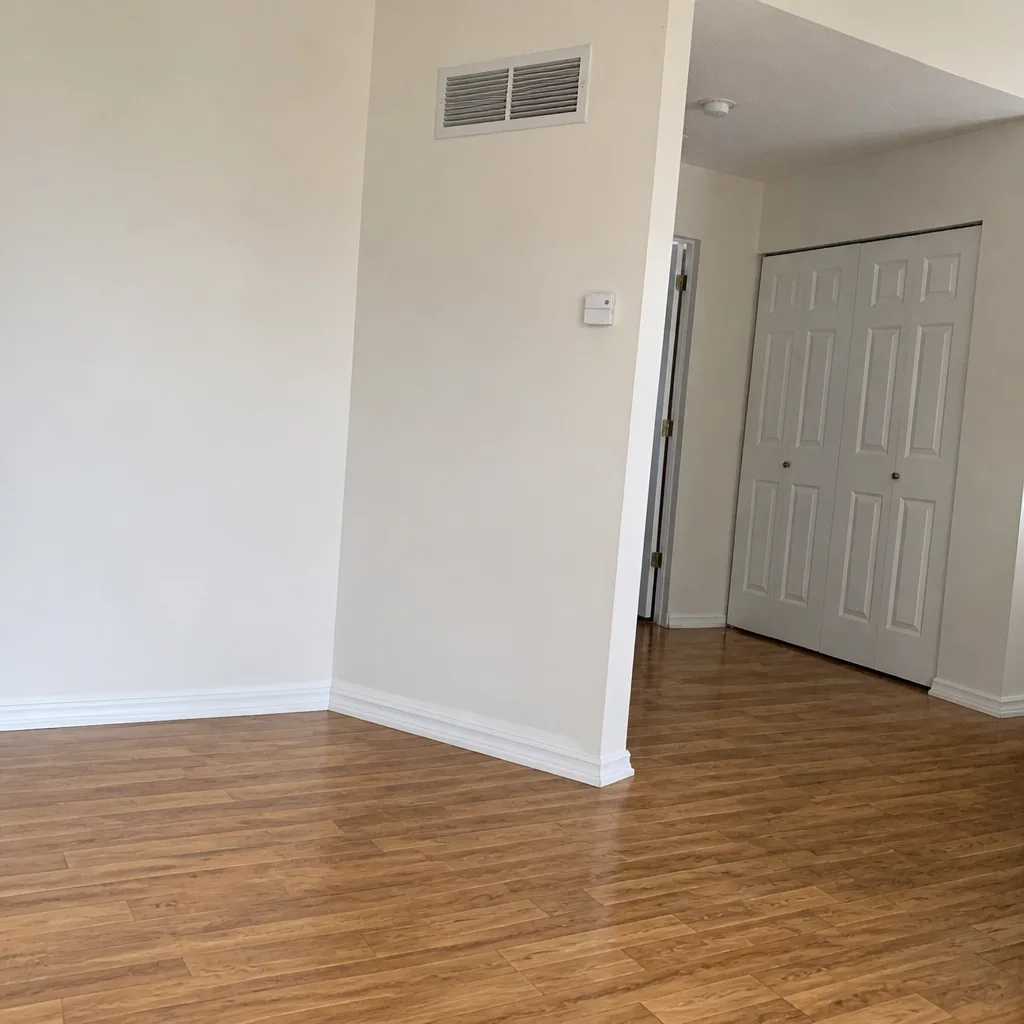
Whole-system duct and dryer vent check with before-and-after photos - you see exactly what came out of your vents
That "$99 whole-house special" is a bait ad - the real number appears once they are in your hallway, or the "clean" is a shop-vac at the register. We photograph the inside of your ducts before and after instead.
Seasonal Air Duct Cleaning Care for Redmond: Year-Round Homeowner’s Guide
Most homeowners think of duct cleaning as an annual chore, a box to tick once and forget. In Redmond, that calendar logic fails. This is a place where the air outside your house changes character several times a year: months of wet, heavy Pacific Northwest weather that pushes humidity into every gap, then a stretch of dry heat when wildfire smoke from surrounding regions settles over the valley and finds its way indoors. Those two extremes don’t cancel out. They compound. A duct system that sits untouched through both cycles collects a mixture of moisture-driven buildup and fine smoke particulate, and then distributes it every time the furnace or air handler kicks on.
What follows is a season-by-season map of what’s actually happening inside your ductwork in Redmond, what to watch for, and how to time professional service so it lines up with the real contamination cycle instead of an arbitrary reminder on your phone.
Quick Answer
Air ducts in Redmond need attention tied to the seasons, not just once a year: a late-winter or early-spring cleaning clears the moisture and biological buildup from the wet months, and a pre-fall inspection catches the particulate that accumulated during the dry, smoky summer before the heating system starts pushing it through the house. The right timing for your home depends on its age, its duct condition, and whether you run central air through the summer. A single annual cleaning rarely addresses both the winter humidity cycle and the summer smoke cycle.
Styles & brands we work with
- Whole-home duct cleaning
- Dryer vent cleaning
- Camera inspection
- Sanitizing & deodorizing
Table of Contents
- Why Redmond’s Climate Creates a Year-Round Duct Cycle
- Winter: Humidity, Condensation, and the Unconditioned Duct Run
- Spring: Pollen Timing and the Filter Upgrade Window
- Summer: Wildfire Preparedness for Your Duct System
- Fall: Heating Startup and the Highest-Risk Week of the Year
- How to Time Professional Cleaning to the Seasonal Cycle
- Why Cleaning Alone Doesn’t Fix a Leaky Duct System
- Common Mistakes to Avoid
- When to Call a Professional
- Frequently Asked Questions
- The Bottom Line
Why Redmond’s Climate Creates a Year-Round Duct Cycle
Redmond sits in a part of King County where the seasonal swing is real. Winters are wet and cool, with sustained relative humidity that often runs high for weeks at a time. Summers are increasingly dry, and in recent years the region has seen extended periods when wildfire smoke from surrounding areas pushes particulate into the air across the Eastside corridor. Those two conditions stress a duct system in opposite ways.
Wet winter air means moisture. Not liquid water pouring through your vents, but the slow, persistent kind that condenses on cold surfaces inside ductwork that runs through unheated spaces like attics, crawlspaces, and garages. That condensation feeds biological growth on duct liners and dust that has settled on surfaces. Dry summer air with smoke particulate means fine particles: the kind that pass through a basic filter and settle in return plenums, on register grilles, and inside the supply trunk where airflow is slowest.
By the time a full year has passed, a Redmond duct system has handled both. Cleaning once a year, on a date you picked at random, means one of those two conditions never gets addressed at the right time. The practical answer isn’t more cleaning. It’s smarter timing, paired with the mechanical work that actually stops contamination from returning.
In our experience, homes here that go more than two or three years without service show a particular pattern: heavier buildup in return-side ductwork and a noticeable film on register faces, especially in homes that run the air handler continuously through the summer. That pattern points to a full-system service, not a spot clean. Here’s how Redmond Air Duct Cleaning Co approaches that full-system view.
Winter: Humidity, Condensation, and the Unconditioned Duct Run
The single biggest winter duct problem in Redmond isn’t dust. It’s moisture. When relative humidity outdoors holds in the 70 to 90 percent range for days on end, the moisture finds its way into homes through crawlspaces, attics, and the natural air exchange in any house. Ducts that run through unheated spaces are colder than the living space, so warm indoor air contacting a cold duct wall condenses. That condensation is where contamination begins.
What to check during the wet months:
- Musty or earthy smell when the heat first comes on. A faint basement smell at startup that fades in a few minutes is often condensation-related growth on duct surfaces.
- Damp or discolored insulation on exposed duct runs. Visually inspect any ductwork you can reach in the attic or crawlspace. Soggy or compressed insulation on a duct is a red flag.
- Condensation on register faces or nearby drywall. Look for water spotting near supply vents in bathrooms and exterior walls.
- Rust at metal joints or seams. Small rust streaks on ductwork suggest repeated wetting and drying.
- Increased dust on horizontal surfaces in rooms you use least. That’s often the sign of airflow carrying settled material out of a contaminated duct run.
Fixing the moisture source matters as much as cleaning. That means making sure the duct runs in cold spaces are properly insulated, and that any gaps in the ductwork are sealed so humid outdoor air isn’t being drawn in. A duct that pulls humid air from a crawlspace will keep producing condensation regardless of how well it’s been cleaned. That’s why a HVAC cleaning visit is often paired with a duct inspection in a Redmond home during the wet months.
If you see actual standing water, sagging duct insulation, or a persistent musty smell that doesn’t clear after the system runs for several minutes, that’s the point at which to schedule a professional inspection. Trying to clean a wet duct system yourself can make the problem worse by pushing moisture and biological growth deeper.
Spring: Pollen Timing and the Filter Upgrade Window
The April to May pollen surge along the Eastside corridor is the right trigger for duct maintenance, not the calendar. When trees and grasses release pollen across Redmond and the surrounding cities, that pollen travels on the same air your HVAC system is drawn from. If your return ducts and filter aren’t set up to catch it, the pollen ends up recirculated through the living space as fine particulate that behaves a lot like dust.
Here’s the sequence we recommend for Redmond homes in the spring:
- Inspect registers and return grilles before the surge starts. Look for visible dust buildup on the grille faces. This tells you what the filter has been letting through.
- Upgrade the filter, but not blindly. Most residential systems in Redmond are designed around a specific filter depth and MERV rating. Running a filter that’s too restrictive can choke airflow and strain the blower. Match the rating to what your system was engineered for.
- Check return-side ductwork for gaps. Pollen and dust enter through leaky return joints as easily as through an old filter. Sealing those gaps is often the higher-impact fix.
- Schedule a cleaning if the filters have been dark at replacement for more than a year. That’s a sign the ducts themselves are holding contamination that the filter can’t stop.
Spring is also the ideal time to address the mechanical side of the system. Duct repair and sealing done before the summer cooling season runs means you’re not paying to condition air that’s leaking out of a gap in a joint. If you’re already thinking about a spring refresh, it’s worth looking at air duct cleaning as the starting point, then having the ducts checked for leaks while the system is accessible.
Don’t wait for a set calendar date. If the pollen is on your windshield, it’s in your return air. That’s the trigger.
Summer: Wildfire Preparedness for Your Duct System
Summer in Redmond has changed. The dry stretch from July into September is now also the window when wildfire smoke from surrounding regions can settle over King County for days at a time. When that happens, the air outside can drop into unhealthy ranges, and the question shifts from how to keep the house cool to how to keep smoke out of the return air system.
Here’s a specific protocol for the duct system during a smoke event:
- Close the fresh-air intake damper if your system has one. Many Redmond homes have a barometric or motorized fresh-air damper tied to the return. Closing it during a smoke event keeps smoke from being pulled directly into the system.
- Run the air handler in recirculation mode with a properly rated filter. A higher MERV filter can capture fine smoke particulate, but only if the system can handle the airflow restriction. Don’t exceed the rating your blower is designed for.
- Keep the system fan running on low through the event. Continuous fan with a good filter captures more particulate over time than intermittent cycling. It also helps the filter load more evenly.
- Shut the system down if the outdoor air is worse than indoor and your ducts are known to leak. A leaky return system pulls outdoor air in through gaps. In that case, running the system during heavy smoke can make indoor air worse, not better.
- Replace the filter once the event clears. A filter that’s just spent two days capturing smoke particulate is loaded. Swap it out and note the color against a new filter for comparison.
- Schedule an inspection if you have a known leaky duct system. Smoke events expose duct leaks more clearly than any other seasonal test. If your indoor air smelled like smoke during the last event, you have a duct sealing issue worth addressing.
The key mechanical upgrade for smoke season is sealing the return side of the system. A run of HVAC cleaning before the dry season gives you a clean baseline, and then duct repair and sealing closes the gaps that let smoke in. If you’ve never had your ducts inspected for leaks, a summer wildfire event is the most useful time to find out. Rotobrush and Nikro equipment gives our technicians the ability to get into the full duct run and see what a standard vacuum can’t reach.
Fall: Heating Startup and the Highest-Risk Week of the Year
The first cold snap in Redmond, usually somewhere in October, is when most furnaces get their first real run since spring. That first heating cycle is also when a summer’s worth of accumulated particulate, pollen, and fine smoke residue gets pushed through the entire house in the first 20 minutes of operation.
That’s the highest-risk moment of the year for a Redmond homeowner, and it’s entirely predictable. The reason is simple: the heating system has sat idle through a dry summer when dust and smoke settled into every horizontal surface inside the ductwork, including the return plenum and supply trunk where airflow is slow. When the blower kicks on for that first fall run, it lifts all of that material at once.
What you’ll notice if you don’t address it:
- A dusty smell through the house in the first hour after the heat comes on
- Visible dust settling on furniture the day after the first heating cycle
- Allergy-type symptoms that flare in October for no obvious reason
- A darker filter within two weeks of first fall use
- Faint smoke smell from the previous summer’s wildfire events, if ducts were never cleaned after the smoke season
The fix is a pre-season inspection, not a post-season cleanup. Once the system has already distributed a summer’s worth of contamination through the house, you’re cleaning up after the fact. A pre-season appointment in September or early October lets you clear the ducts, replace the filter, and check for the leaks that let smoke in before the heat comes on.
If you’re not sure whether your system needs the pre-season visit or the post-season cleanup, ask for an inspection and let the technician show you what’s actually in the ducts. Professional-grade equipment from Rotobrush and Nikro lets the technician photograph what they find, which is the honest answer to whether a cleaning is necessary. See the difference before you decide.
How to Time Professional Cleaning to the Seasonal Cycle
Forget the annual calendar reminder. What actually works in Redmond is timing cleaning against the two seasonal peaks of the contaminant cycle, which don’t line up neatly with a once-a-year habit.
Here’s the timing framework we recommend:
- Late winter or early spring cleaning (February to March). Clears the humidity-driven buildup from the wet months before pollen season starts. This is the higher-impact cleaning of the year for most Redmond homes.
- Post-summer inspection (September). A visual check after the dry, smoky months. If the ducts show heavy particulate or you had a smoke event that infiltrated the house, this triggers a second cleaning.
- Pre-heating inspection every year regardless (late September to early October). Confirms the system is clean enough to start the heating season without distributing a summer’s worth of dust through the house.
- Full cleaning every two to three years for most homes. Homes with pets, allergy sufferers, recent renovations, or a history of smoke infiltration may need cleaning annually. Homes with newer sealed ductwork and a well-maintained filter system can go longer.
- Immediate cleaning after renovations, water damage, or pest activity. These events add contamination far faster than any seasonal cycle, and waiting for the next scheduled cleaning window means breathing construction dust or pest residue for months.
The other piece of the timing question is the dryer vent. dryer vent cleaning doesn’t follow the same seasonal cycle as ducts, but it belongs in the same annual maintenance conversation because lint accumulation is a fire risk, not just a performance issue. A dryer vent check in spring, before the summer’s higher laundry load, is a reasonable rhythm.
Why Cleaning Alone Doesn’t Fix a Leaky Duct System
Every cleaning recommendation above assumes the ducts are holding. If they aren’t, the seasonal cycle above just resets itself immediately after every cleaning. A duct system with leaky joints and disconnected runs pulls outdoor air, attic dust, and crawlspace moisture into the system faster than any cleaning can keep up with.
This is why we treat duct repair and sealing as part of the seasonal maintenance plan, not an upsell. The relevant questions for a Redmond home:
- Are there visible gaps at duct joints? A technician can check accessible runs in the attic and crawlspace.
- Is the duct tape original and starting to peel? Older foil tape fails over time in humid conditions. Sealing with a modern mastic is more durable.
- Are there disconnected runs off the main trunk? A disconnected supply run is sending conditioned air into the attic or crawlspace, not into the room it’s supposed to serve.
- Does the return system have gaps between the return plenum and the air handler? This is the most common leak point and the biggest source of outdoor air infiltration.
Sealing done before summer smoke season means fewer infiltration points during a wildfire event. Sealing done before winter means less humid outdoor air drawn into the system during the wet months. In Redmond, duct repair and sealing is the mechanical fix that makes all the seasonal cleaning timing actually pay off.
Common Mistakes to Avoid
- Cleaning on a fixed annual date without regard to the seasonal cycle. A spring cleaning and a fall cleaning address different problems. Cleaning on the same date every year regardless of the season means one of those two problems never gets addressed.
- Skipping the pre-fall inspection after a wildfire summer. If smoke infiltrated the house over the summer, running the heat in October redistributes that smoke particulate through the whole system. The pre-season inspection catches it before it spreads.
- Oversizing the filter MERV rating without checking system airflow. A higher-rated filter sounds like the right answer, but on a system not designed for it, it strains the blower and reduces efficiency. Match the filter to what your system was engineered for.
- Ignoring visible condensation during the wet months. A damp crawlspace or musty smell at heat startup is the early warning sign. Waiting for visible water damage means the biological growth has had time to spread through the duct liner.
- Assuming a single cleaning resets everything. Cleaning a leaky duct system without addressing the leaks means the same contamination problem returns within a few months. Cleaning and repair belong in the same conversation.
- Hiring a cleaning crew that can’t show you what they found. If the technician can’t photograph the interior of the ducts before and after, you have no way of knowing what was actually cleaned. Professional-grade equipment with camera capability is the baseline.
- Forgetting the dryer vent entirely. A clogged dryer vent in a Redmond home is a fire risk, not just a convenience issue. It belongs in the same annual maintenance plan as the duct system.
When to Call a Professional
Some seasonal maintenance is reasonable to handle yourself. Filter changes, visual inspections of accessible ducts, checking register faces. But certain situations call for professional service every time: visible biological growth in the ductwork, condensation that doesn’t clear, a musty smell that returns within days of a filter change, ducts that haven’t been cleaned in more than three years, any smoke infiltration from a summer wildfire event, or a dryer vent that hasn’t been inspected in over a year. A disconnected duct run or visible tears in the duct liner should always be handled professionally, since a poor repair can create a worse leak than the one it was meant to fix.
Redmond Air Duct Cleaning Co offers free estimates in Redmond. We can work with your insurer on duct work tied to a covered event, and every service is priced in a written estimate before work begins. Call (877) 792-7059. We answer 24/7. Fast dispatch from 7am to 7pm, Sunday through Friday. Our technicians have up to 11 years of experience and use professional-grade equipment from Rotobrush, Nikro, and Abatement Technologies on every job.
Frequently Asked Questions
Most Redmond homes need a full cleaning every two to three years, but the timing matters more than the interval. A cleaning in late winter or early spring addresses the wet-season buildup before pollen arrives, and a pre-heating inspection in late summer or early fall catches the particulate from the dry, smoky months before the heat comes on. Homes with pets, allergy sufferers, or a history of wildfire smoke infiltration may need cleaning every year.
If your home took in wildfire smoke during the summer and the ducts were never cleaned afterward, that smoke particulate is sitting in the return plenum and ductwork. When the heat first comes on in the fall, it lifts that material and redistributes it through the living space. A pre-season cleaning after a heavy smoke year resolves this before the heating season starts.
The right MERV rating depends on what your system was designed to handle, not a fixed number. Most residential systems in Redmond can safely run up to MERV 11 or MERV 13 without straining the blower, but higher ratings can choke airflow on systems that weren’t engineered for them. Check your system’s specification or ask a technician to confirm before upgrading for smoke season.
No. Consumer-grade shop vacuums and DIY duct cleaning kits can’t reach the full duct run, and they can push contamination deeper into the system rather than removing it. If a specific contamination event (smoke, water damage, pest activity) has occurred, professional cleaning is the only reliable way to clear it. A visual inspection by a technician is the right first step after any emergency.
Most Redmond homes with visible dust or a history of smoke infiltration benefit from both. Cleaning removes the contamination that’s already there. Sealing the leaks stops the same problem from coming back. Cleaning a leaky duct system without sealing means the contamination returns within a few months. In our experience, the two services belong in the same visit or the same maintenance plan.
Pricing varies by the size of the system, the number of returns, and how much contamination a technician finds on inspection. The exact cost is set in a written estimate before work begins. Call (877) 792-7059 for a free estimate. We answer 24/7. Fast dispatch from 7am to 7pm, Sunday through Friday.
The Bottom Line
Redmond’s climate doesn’t cooperate with a once-a-year duct cleaning habit. The wet months push humidity into unconditioned duct runs and feed biological growth. The dry months drive pollen and wildfire smoke particulate into every gap in the return system. Timing cleaning against the seasonal cycle, pairing cleaning with duct repair and sealing, and treating your dryer vent as part of the same annual maintenance plan is the reliable approach. The payoff is a duct system that’s actually clean for the season you’re in, not a cleaning that resets the clock while the underlying problem keeps growing.
Written by the team at Redmond Air Duct Cleaning Co.
See the difference
 Before
 After
 Before
 After
 Before
 After