
Last updated November 25, 2026
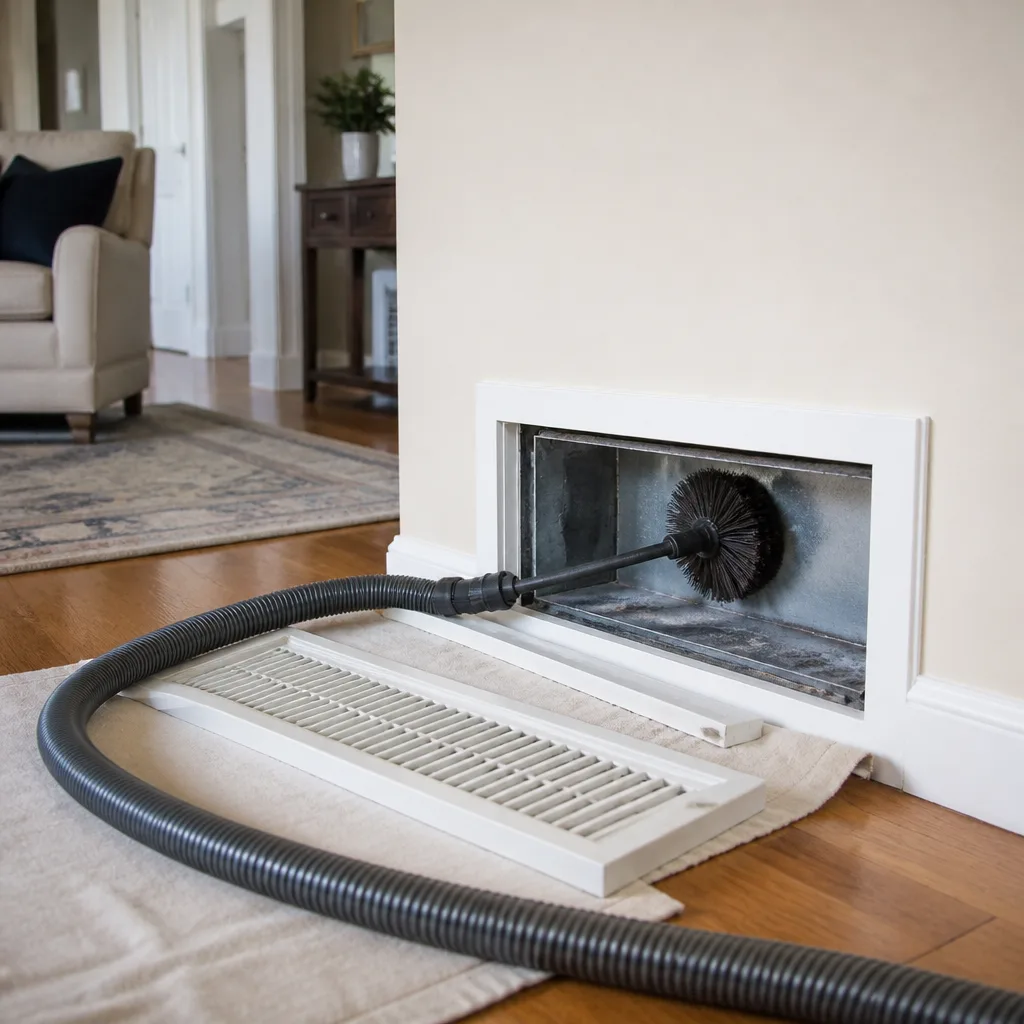 Whole-home duct cleaning
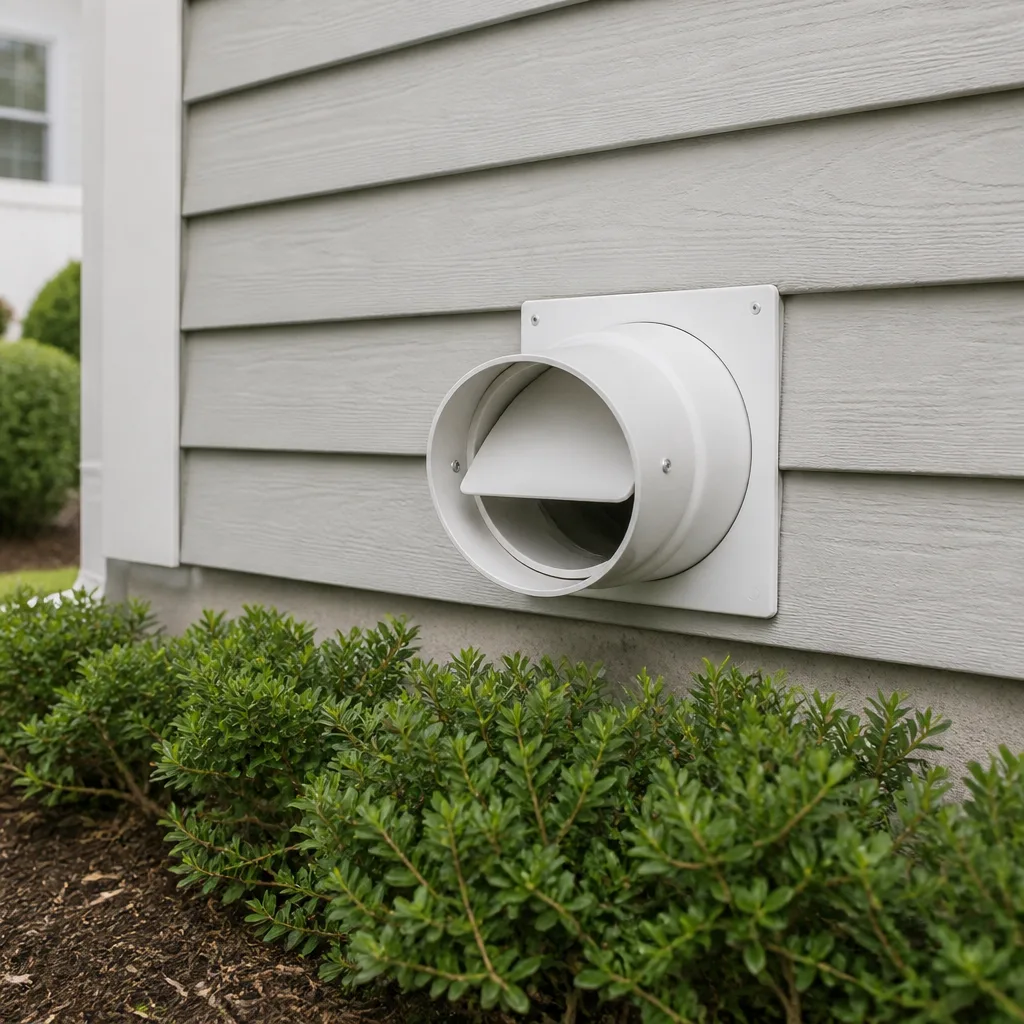 Dryer vent cleaning
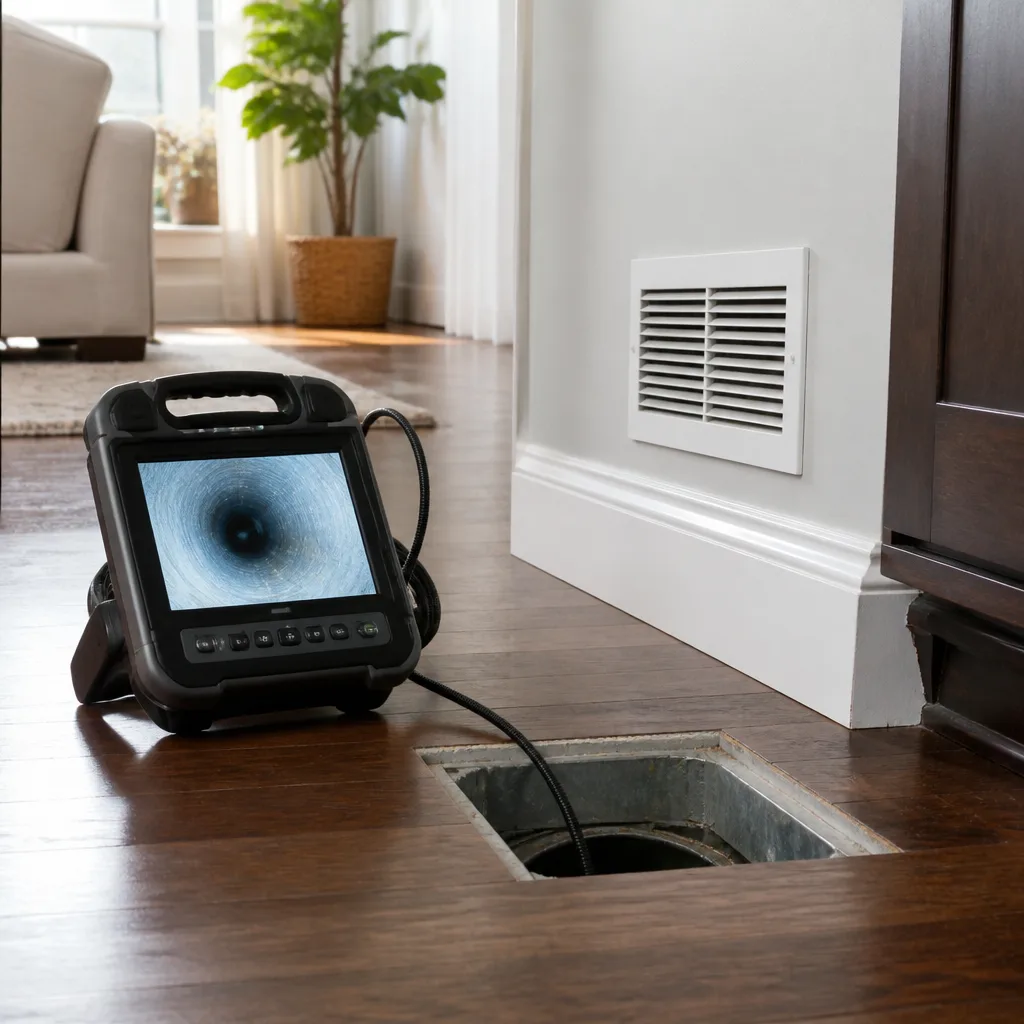 Camera inspection
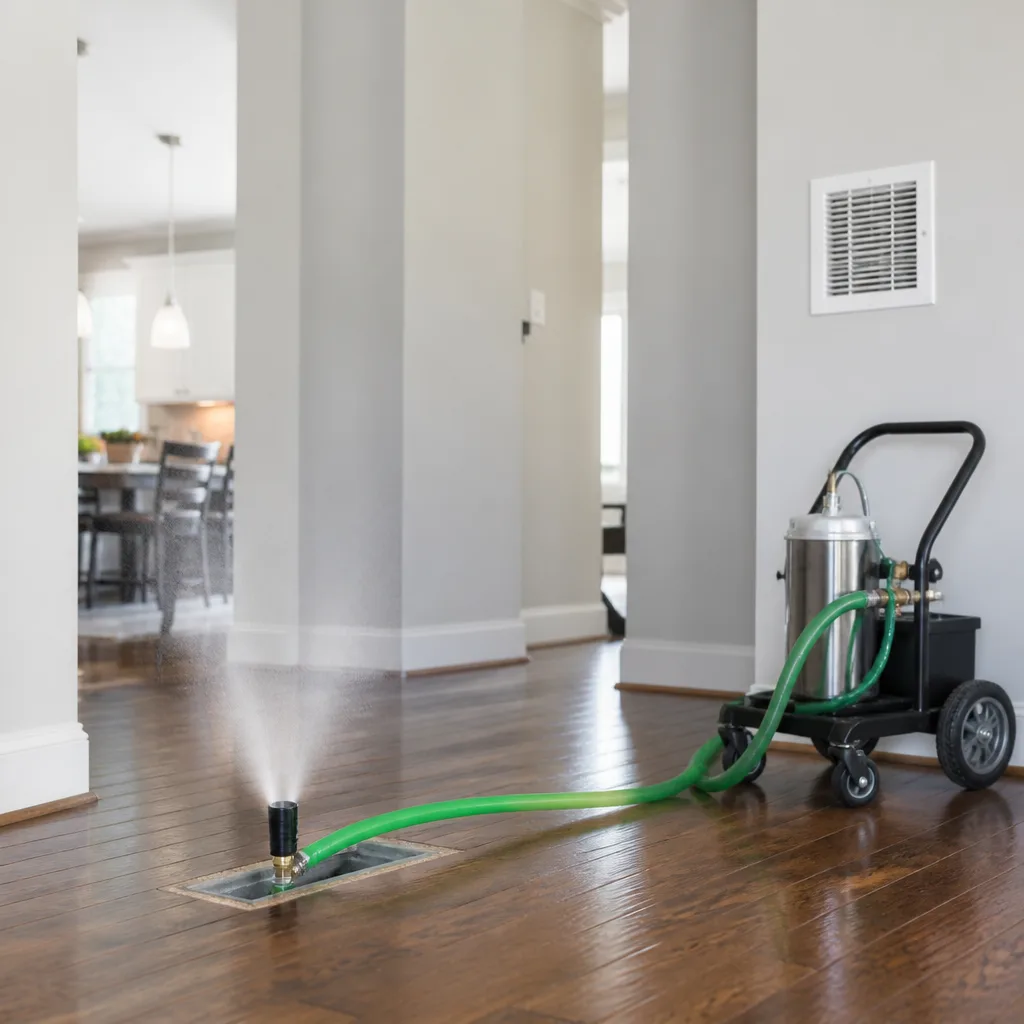 Sanitizing & deodorizing
Whole-system duct and dryer vent check with before-and-after photos - you see exactly what came out of your vents
That "$99 whole-house special" is a bait ad - the real number appears once they are in your hallway, or the "clean" is a shop-vac at the register. We photograph the inside of your ducts before and after instead.
DIY vs Professional Air Duct Cleaning: The Redmond Homeowner’s Decision Guide
Consumer vacuum attachments sold for “duct cleaning” move roughly 100 to 150 cubic feet of air per minute. Professional negative-pressure equipment runs in the range of 3,000 to 5,000 CFM. That’s not a gap in effort or a matter of buying a better shop vac. It’s a different physical mechanism. One creates a gentle pull at the register; the other puts the whole duct system under negative pressure so debris is captured and carried out rather than stirred into the room. This guide draws the line at that technical threshold. You’ll learn what a Redmond homeowner can genuinely handle, what happens when a brush dislodges contamination it can’t capture, and how to read your own ducts to know which side of the line you’re on.
Quick Answer
You can and should clean register covers, vacuum accessible grilles, and swap filters yourself. Anything that requires moving contamination out of the duct interior under negative pressure needs professional equipment, because consumer tools disturb settled debris without capturing it. If your ducts show visible growth, rodent evidence, renovation dust, or wildfire residue, DIY is not optional-to-skip; it’s counterproductive.
Styles & brands we work with
- Whole-home duct cleaning
- Dryer vent cleaning
- Camera inspection
- Sanitizing & deodorizing
Table of Contents
- What DIY Air Duct Maintenance Can Genuinely Handle
- The Equipment Gap: Why CFM Changes the Whole Problem
- The Disturbance Problem: How DIY Can Make Air Quality Worse
- When Professional Service Is Not Optional
- The True Cost of a DIY Attempt That Disturbs but Doesn’t Remove
- A Decision Tree Based on Duct Conditions, Not Home Size
- Redmond Climate, Housing, and Duct Contamination
- How to Choose a Professional in Redmond
What DIY Air Duct Maintenance Can Genuinely Handle
We’ll say this plainly: a homeowner who wants to maintain their own system should. There’s a real category of work that belongs to you, and doing it well extends the life of your HVAC system and keeps the surface level of contamination down between professional visits. The mistake is assuming that category extends all the way into the duct interior. It doesn’t. Here’s where DIY is not just acceptable but expected.
- Register cover cleaning. Pop the supply and return covers off and wash them in the sink or tub with mild soap. Dust and film collect on these faces faster than anywhere else in the system because they’re the first surface air hits. A soft brush handles the louver slots.
- Accessible grille vacuuming. The first inch or two of duct you can reach behind a removed register is fair game. Use a brush attachment on a shop vac and work gently. You’re removing surface dust at the opening, not cleaning the duct run.
- Filter maintenance. This is the single highest-return task a homeowner has. Check the filter monthly during heating and cooling season, replace or clean per the manufacturer’s spec, and make sure it actually seats properly in the slot. A filter that sits crooked lets air bypass it entirely.
- Visual inspections with a flashlight or phone camera. Shine a light into the register opening and take a phone photo. On a smartphone with a flash, you can get a decent look a few feet in. Look for dust buildup, discoloration, moisture, or anything that shouldn’t be there.
- Exterior vent checks. Walk the outside of the house and confirm the return and exhaust vents aren’t blocked by debris, landscaping, or nests.
None of this requires special equipment, and none of it is wasted effort even if you hire a Redmond air duct cleaning company later. What it does not do is remove contamination from the interior of the duct run, where most of the volume lives and where most of the settled material collects. That’s where the equipment gap starts to matter.
The Equipment Gap: Why CFM Changes the Whole Problem
The difference between a consumer vacuum attachment and professional duct equipment isn’t horsepower. It’s airflow volume and pressure direction. A typical shop vac or consumer “duct cleaning” kit pulls around 100 to 150 CFM at the hose end, and much less by the time you’re 20 feet down a branch run. Professional negative-pressure systems typically run 3,000 to 5,000 CFM at the collection unit, connected to the duct system through a sealed access point so the entire run is under suction while a rotary brush or air whip works the interior.
Why does that matter? Two reasons. First, capture. A brush loosens settled material. If you don’t have enough airflow pulling in a single direction, that loosened material doesn’t travel out; it becomes airborne inside the duct and gets pushed into the room the next time the system runs. Second, reach. A brush on a flexible rod can only extend so far before friction kills its effectiveness, and consumer equipment has no way to seal the branch you’re working so the rest of the system doesn’t fight the vacuum.
Here’s how a professional job actually sequences, using equipment like Rotobrush and Nikro systems:
- Seal and connect. The negative-pressure unit is connected through a dedicated access point so the whole system is pulled toward the collector, not into the house.
- Agitate. A rotary brush or compressed-air whip travels the length of each branch and trunk, loosening settled material from the duct walls.
- Capture. The loosened debris is drawn into the collection unit while negative pressure is maintained, so it doesn’t escape into living space.
- Inspect. The technician confirms the run is clear before capping access points, often with photography so you can see the before-and-after for yourself.
- Address the cause. A good job doesn’t stop at cleaning. Duct repair and sealing addresses leaks that let dust and outside air back in, and air quality systems like Aprilaire filtration or Honeywell controls keep the improvement going afterward.
That’s the mechanism you’re paying for. Not the pleasure of watching someone work, and not a coupon. The physical ability to move contamination out rather than around.
The Disturbance Problem: How DIY Can Make Air Quality Worse
This is the part most guides skip. A consumer rotary brush on a drill or a shop-vac attachment run into a duct doesn’t just fail to clean it well. It can make the immediate problem worse by redistributing settled contamination into the air stream. The material that had settled onto duct walls over years is now loose. Without negative pressure to pull it out, that loosened material travels with supply air into the rooms you and your family breathe in.
We’ve seen the pattern enough to describe it generally. A homeowner notices dust streaks on the register, buys a consumer attachment, works the run for a while, and then finds that the dusting has to be done more often, not less. Allergy complaints spike for a week or two. The system sounds different. Nothing is actually cleaner; the contamination just moved from the duct onto surfaces and into the air.
The same risk applies to a “no negative pressure” professional job. If the quote involves only a shop vac and a brush without a sealed negative-pressure connection, that’s not a professional clean. It’s the same disturbance problem with a receipt. That’s why the equipment list matters when you’re comparing quotes. Rotobrush, Nikro, and Abatement Technologies units are built for the negative-pressure capture step; consumer gear is not.
When Professional Service Is Not Optional
There are four conditions where a competent technician should always be involved, regardless of home size, budget, or how handy the homeowner is. These aren’t upsell scenarios. They’re cases where DIY risks spreading a real problem.
- Post-renovation debris. Drywall dust, sawdust, and construction grit travel further into a duct system than most people expect. If you’ve done a kitchen or bath remodel and the system ran at all during the work, that debris is distributed through branch runs and settled in low points where a shop vac can’t reach. Cleaning is often best done after the work wraps and before you start using the system heavily again.
- Visible microbial growth. Any discoloration in a duct run that looks like mold or mildew – especially near the air handler or any place with past moisture – is a signal to bring in professional equipment. Abatement Technologies equipment is built to filtration standards used in remediation work, which is the right tool for this kind of contamination. Consumer gear is not.
- Rodent evidence. Droppings, nesting material, or the smell of rodent activity in a duct is contamination, not dust. It needs removal with proper containment and, where appropriate, sanitizing afterward. Guardsman-grade surface and sanitizing solutions are part of our air quality and sanitizing service for this reason.
- Post-wildfire contamination. Wildfire smoke carries fine particulate and odor compounds that settle inside duct systems and don’t come out with surface cleaning. In our experience, Redmond sees smoke events in summer, and the fine ash that follows is another category of problem from ordinary household dust.
If any of those four describes your situation, the honest answer is that DIY is not the right tool. Cleaning, and in some cases duct repair and sealing after the fact, is what resolves the source of the problem.
The True Cost of a DIY Attempt That Disturbs but Doesn’t Remove
A DIY attempt isn’t free even when the attachment costs $40. The real cost shows up in what the professional ends up doing afterward. If a homeowner has already run a brush through a duct system and redistributed settled contamination, the professional job now has to address a system with contamination that’s more dispersed and often more airborne than it started. Cleaning a stable settled layer is straightforward. Cleaning a system whose contamination has been stirred into branches, return plenums, and coil surfaces takes more time, sometimes more access points, and can involve sanitizing afterward where a cleaner job wouldn’t have required it.
That calculation changes how to think about the cost comparison:
- DIY once: low cost, no verifiable removal of interior contamination, occasional worsening of the immediate problem.
- DIY then professional: the professional job still happens, often with added sanitizing and repair, and the household lived with a worse air-quality period in between.
- Professional, done correctly the first time: measured cost, negative-pressure removal, before-and-after photos so you know what was actually removed, and a recommendation about what needs repair or sealing.
That’s why we frame the decision in technical terms, not “is it worth it.” The right question isn’t “how much can I save?” It’s “what am I actually removing, and what am I spreading instead?” The answer to the second question is where the real cost lives.
A Decision Tree Based on Duct Conditions, Not Home Size
Home size and budget are the wrong variables for this decision. What matters is what’s actually in your ducts. Use the sequence below to sort your situation objectively. Grab a flashlight or your phone, remove a register cover, and look before you decide.
- Look into a supply register. Shine light into the opening. If you see normal light dust film on the sheet metal and nothing more, register-level cleaning is fine and you can wait on professional service.
- Look again during heating or cooling season. Run the system for a few minutes, then look at a supply register. If you see visible dust or debris wafting from the grille, the duct interior is discharging contamination. That’s not a job for a shop vac; that’s a professional clean with negative pressure to capture what’s moving.
- Check for discoloration. Any dark, patchy, or blotchy staining inside the duct, especially near the air handler or in return runs, means you need a professional evaluation before doing anything else yourself. Don’t scrub it.
- Smell the return. A persistent musty or animal smell that doesn’t clear with filter changes is a strong signal of contamination or moisture somewhere in the system. That’s a professional call.
- Note recent history. Renovation in the last year, a rodent issue, a wildfire smoke event that pushed through the system, or a long period of heavy filter bypass all tilt toward professional cleaning.
- Check the filter and the return. If the filter slot is bypassing or the return grille is loaded with dust again within weeks, the system is pulling contamination it shouldn’t. Fix the filter fit first; if it doesn’t resolve, get an inspection.
- If everything above is clean, do the DIY maintenance. Registers, filters, accessible grilles, exterior vents. Log what you see. Check again in a few months.
That sequence is objective on purpose. It doesn’t depend on the size of the house or the number of bedrooms. A 900-square-foot Redmond condo with return-side discoloration needs professional service more urgently than a 3,500-square-foot house with clean ducts and a good filter habit.
Redmond Climate, Housing, and Duct Contamination
Redmond sits in a climate that produces a specific pattern of duct contamination. Summer wildfire smoke events push fine particulate into homes when windows are open and the system runs. Fall and winter bring damp outdoor air, and homes in neighborhoods like Grass Lawn, Overlake, and Education Hill are typically well-sealed, which means less outdoor-air exchange to flush out what builds up inside. Add the fall and winter leaf mold and the pollen pressure in spring, and you get a system that accumulates a lot of material across a single year.
The housing stock matters too. Older homes in downtown Redmond often have flex duct runs and older sheet-metal trunks with more leaks and joints where dust collects. Newer construction in the Sammamish Valley and Marymoor areas tends to be tighter, which is good for efficiency but also means less natural ventilation – whatever is in the ducts stays there and recirculates. In both cases, duct repair and sealing alongside cleaning finishes the job properly. Cleaning a leaky duct system is a partial fix; sealing it keeps the improvement in place.
How to Choose a Professional in Redmond
The industry’s reputation problem is real, and it starts at the quote stage. A low teaser price that becomes a much larger invoice once the truck is parked is the standard play, and it makes homeowners understandably nervous about the whole category. The way through it is to ask the same short list of questions on every call. A professional will answer them without flinching; a bait-and-switch operator won’t.
- Ask what equipment they use. If the answer isn’t a negative-pressure system with named equipment (Rotobrush, Nikro, Abatement Technologies are the ones we use), it’s a basic shop-vac job. Ask them to describe the negative-pressure setup in detail.
- Ask for a whole-system price, not per-vent pricing. Per-vent pricing invites cutoffs and add-ons mid-job. You want one flat price for the whole system, agreed before work starts.
- Ask to see before-and-after photos of your own ducts. A clean job involves opening access points and taking photos. If a company can’t show you what was removed from your system, you don’t know the work was done.
- Ask whether they offer duct repair and sealing. A cleaning-only outfit can clean but can’t fix the leaks that let contamination back in. Our five services are air duct cleaning, dryer vent cleaning, HVAC cleaning, duct repair and sealing, and air quality and sanitizing – the full system, not a single surface.
- Ask what happens if there’s microbial growth or rodent evidence. The answer should involve proper containment, sanitizing where appropriate, and possibly a referral for repair. It should not be “we’ll hit it with a brush.”
- Ask about air quality follow-up. A company that integrates Honeywell and Aprilaire solutions can bridge cleaning and long-term air quality improvement. A company that doesn’t may leave you shopping for a second contractor.
- Ask what the price covers. If the answer depends on what the technician finds once they’re in the house, you’re being set up for a bait-and-switch. A written estimate before work starts, covering the whole system, is the standard to hold.
Where Redmond specific concerns come up, ask about wildfire smoke residue and return-side contamination explicitly. A contractor who works in this market regularly should have a clear answer about how they handle it.
Common Mistakes to Avoid
- Running a consumer brush into duct runs. It loosens material without negative pressure to capture it, which redistributes contamination into the airstream. If a duct run is dirty enough that you feel the need to brush it, the job calls for a professional.
- Trusting a per-vent quote. Per-vent pricing encourages companies to quote a low number and then add on once they’re inside. Ask for one flat price per system, agreed before work starts.
- Choosing the cheapest quote without asking about equipment. A truck with a shop vac and a wand isn’t doing the same job. Ask about negative-pressure equipment and brand names before comparing prices at all.
- Ignoring the filter and then blaming the ducts. A filter that bypasses or hasn’t been changed in months is the most common cause of rapid dust re-accumulation in Redmond homes. Filter fit and replacement schedule come before cleaning decisions.
- Skipping duct repair and sealing after a clean. Cleaning a leaky system is a reset, not a fix. Seams and joints that let dust back in will re-contaminate the run within a season.
- Calling the dryer vent “close enough.” Dryer vents are a fire hazard, not a maintenance afterthought. If lint has built up at the exterior termination, that’s a safety issue and not the time for DIY shortcuts.
- Treating renovation dust like regular dust. Drywall and construction debris is finer and grittier than household dust, and it settles further into the system. If the system ran during a remodel, plan a professional clean afterward, not just a register wipe.
See the difference
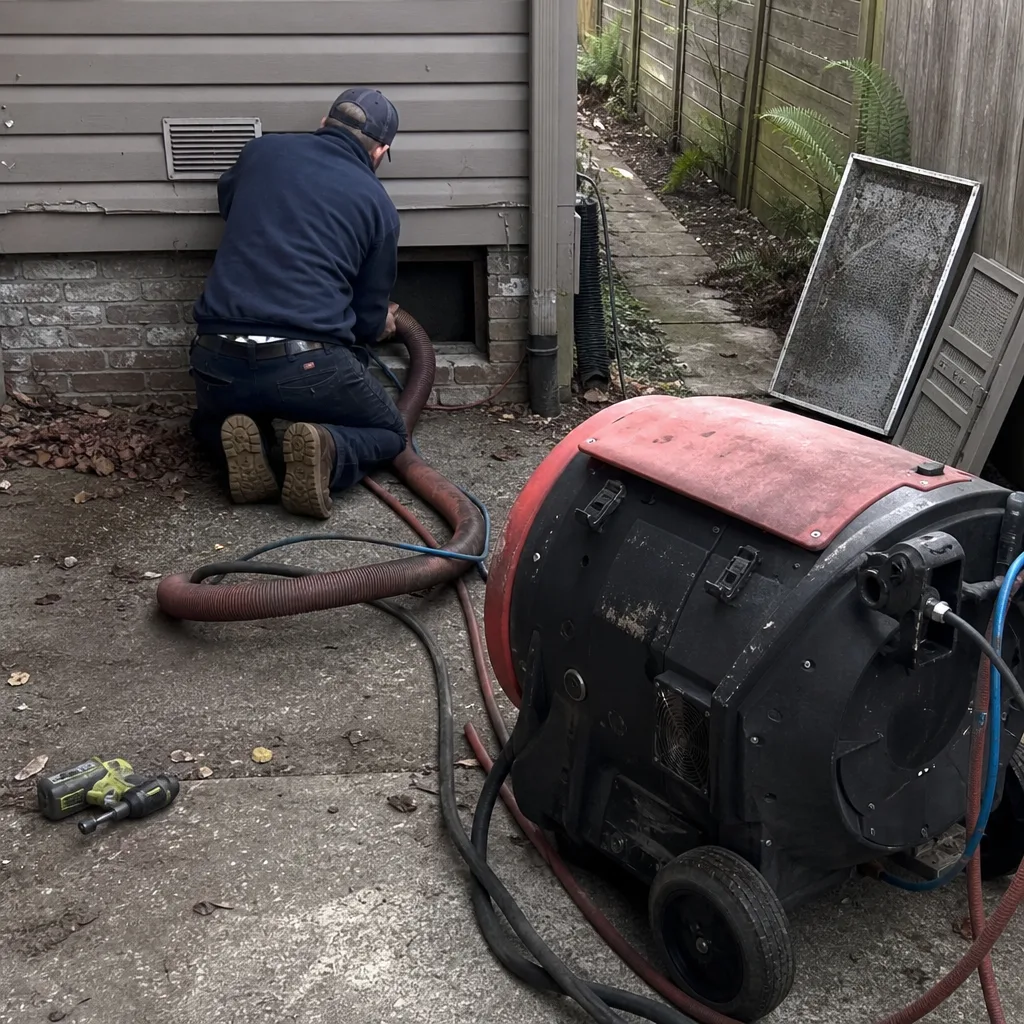 Before
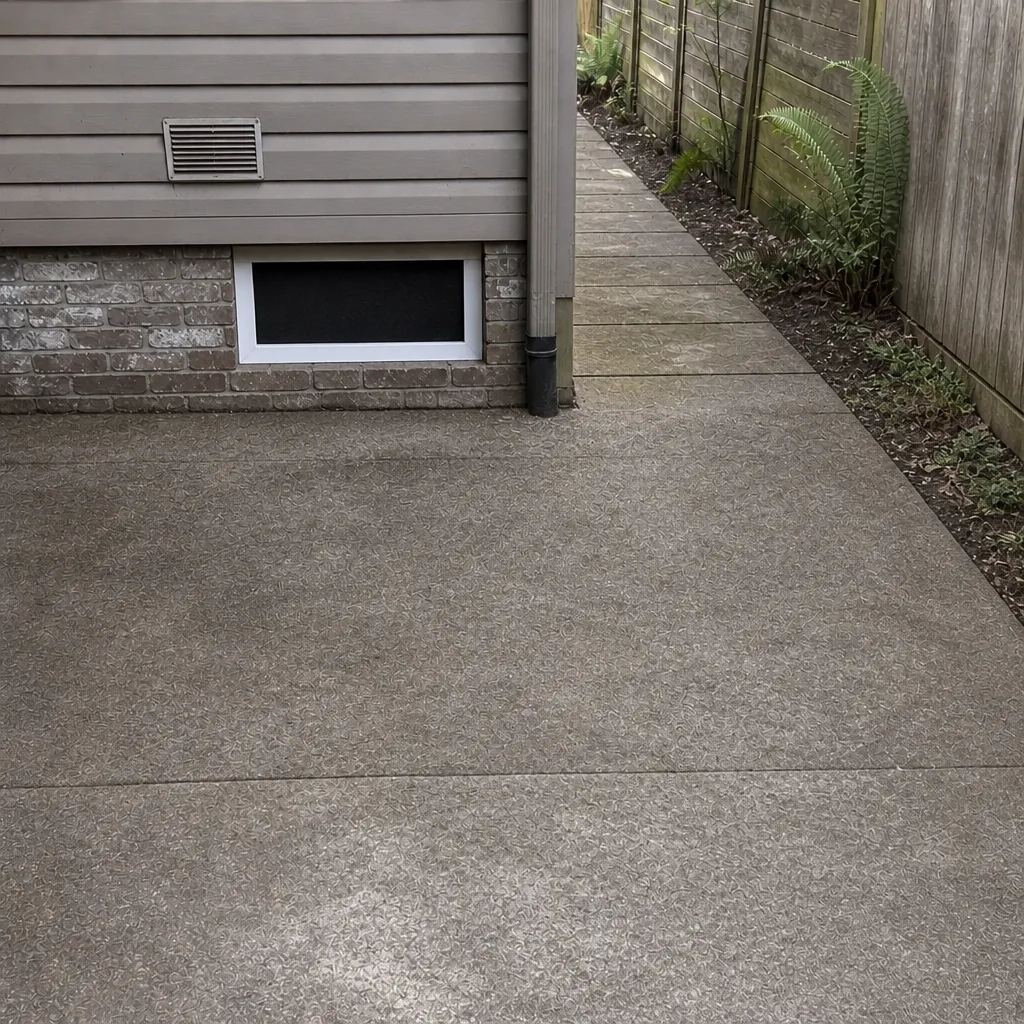 After
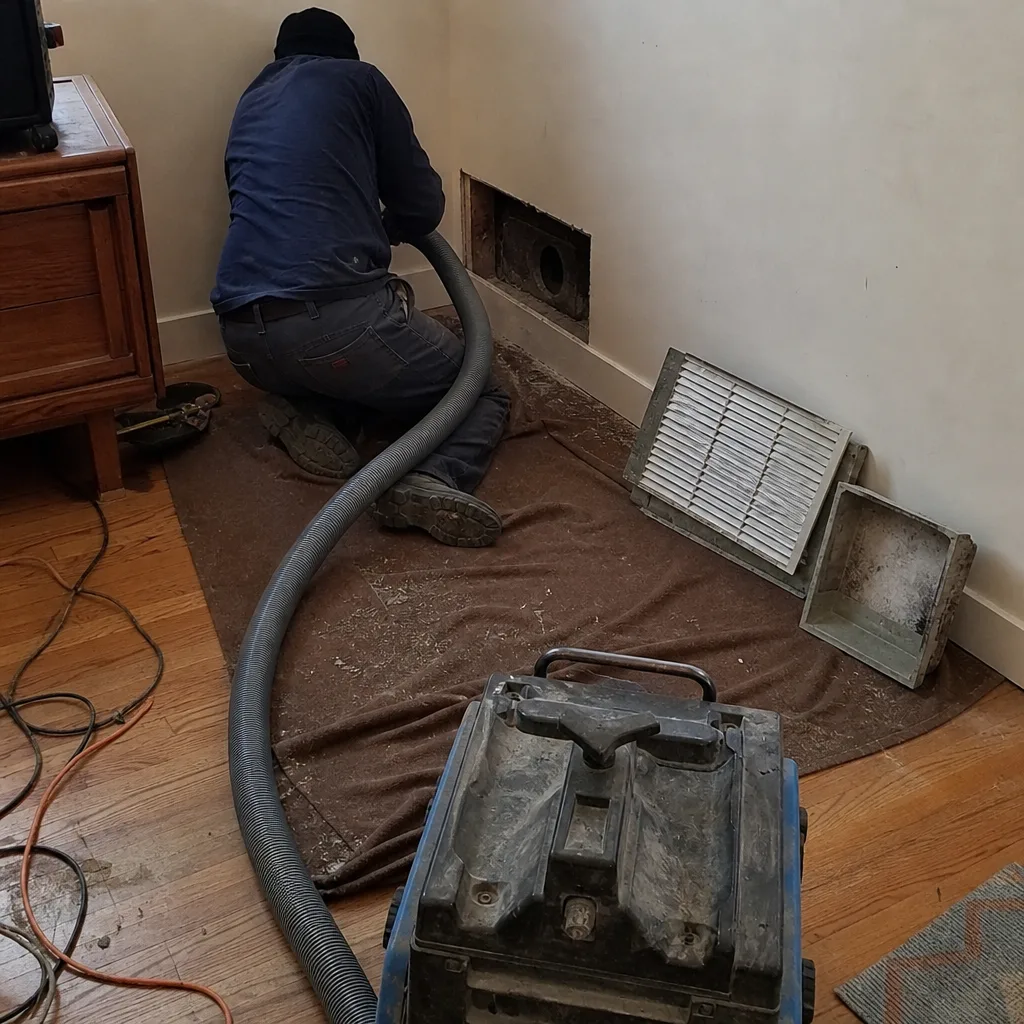 Before
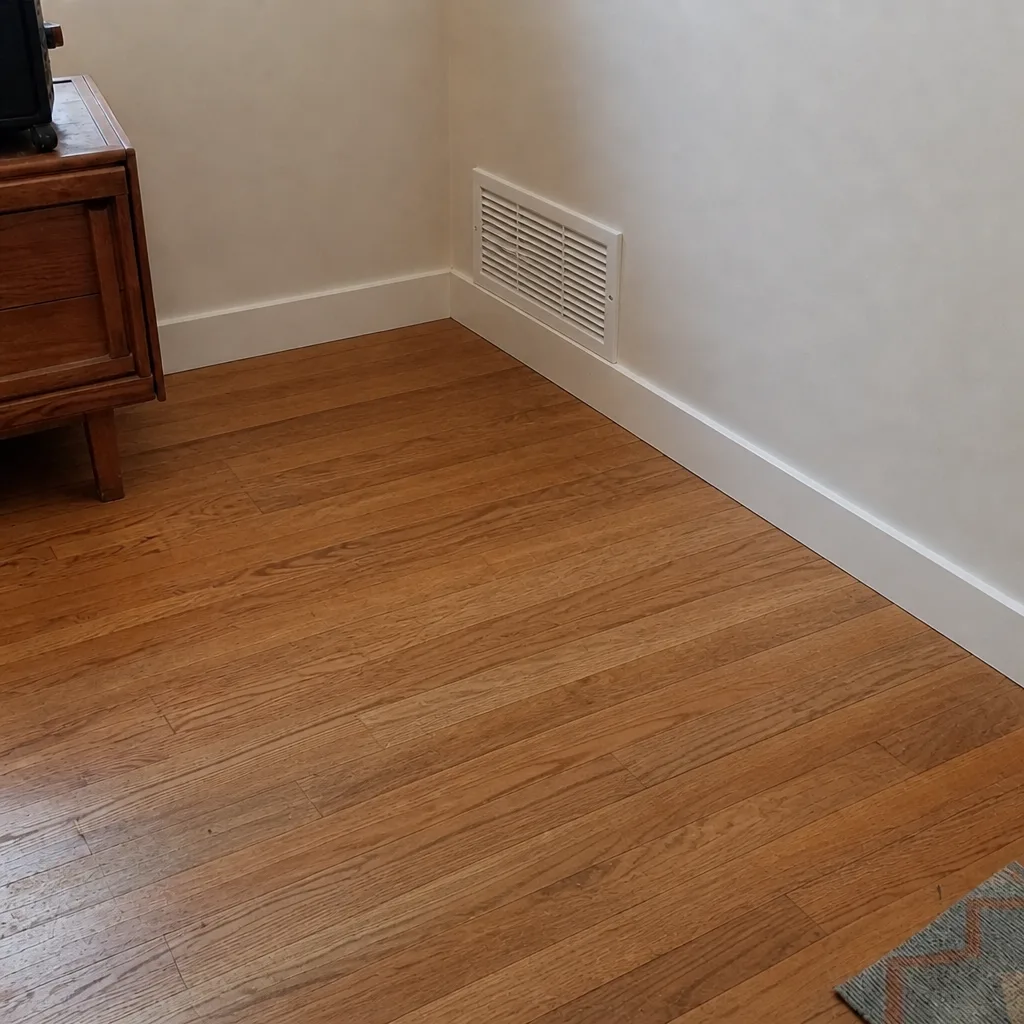 After
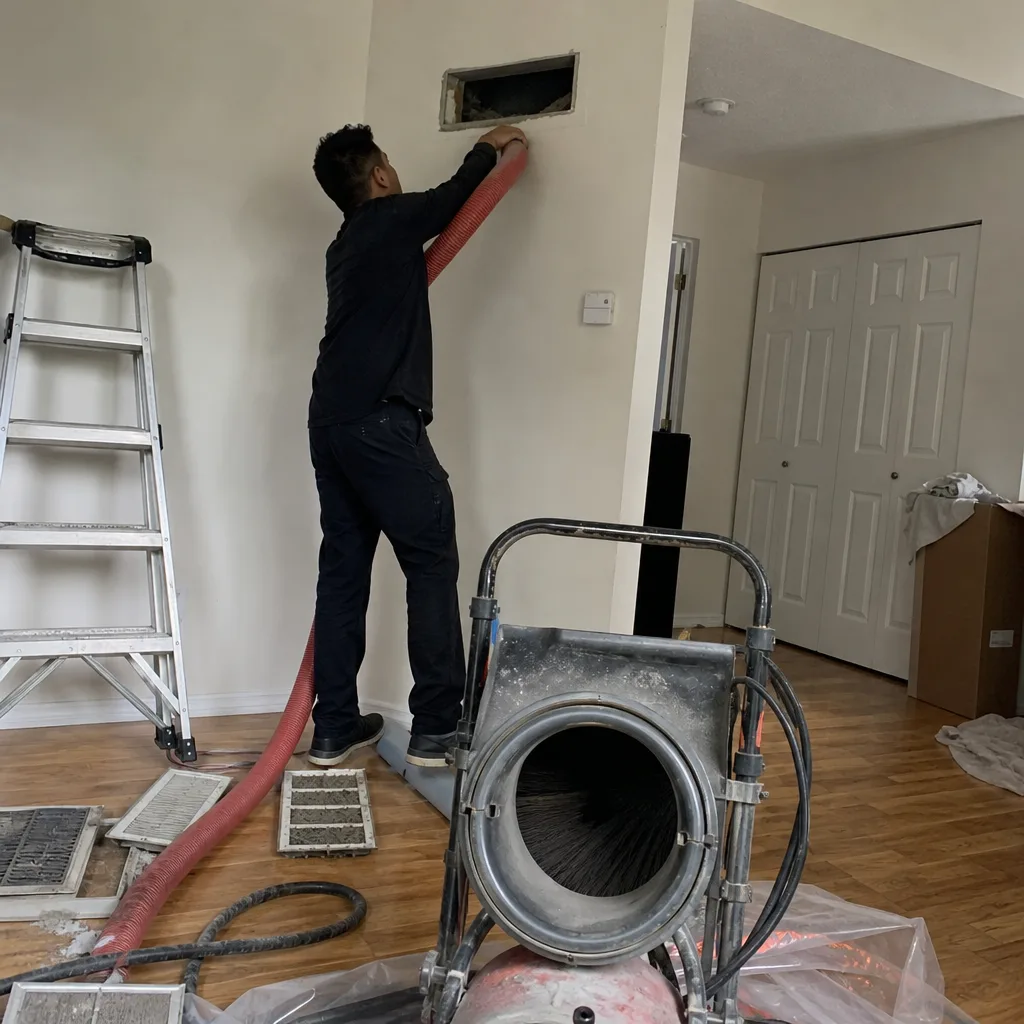 Before
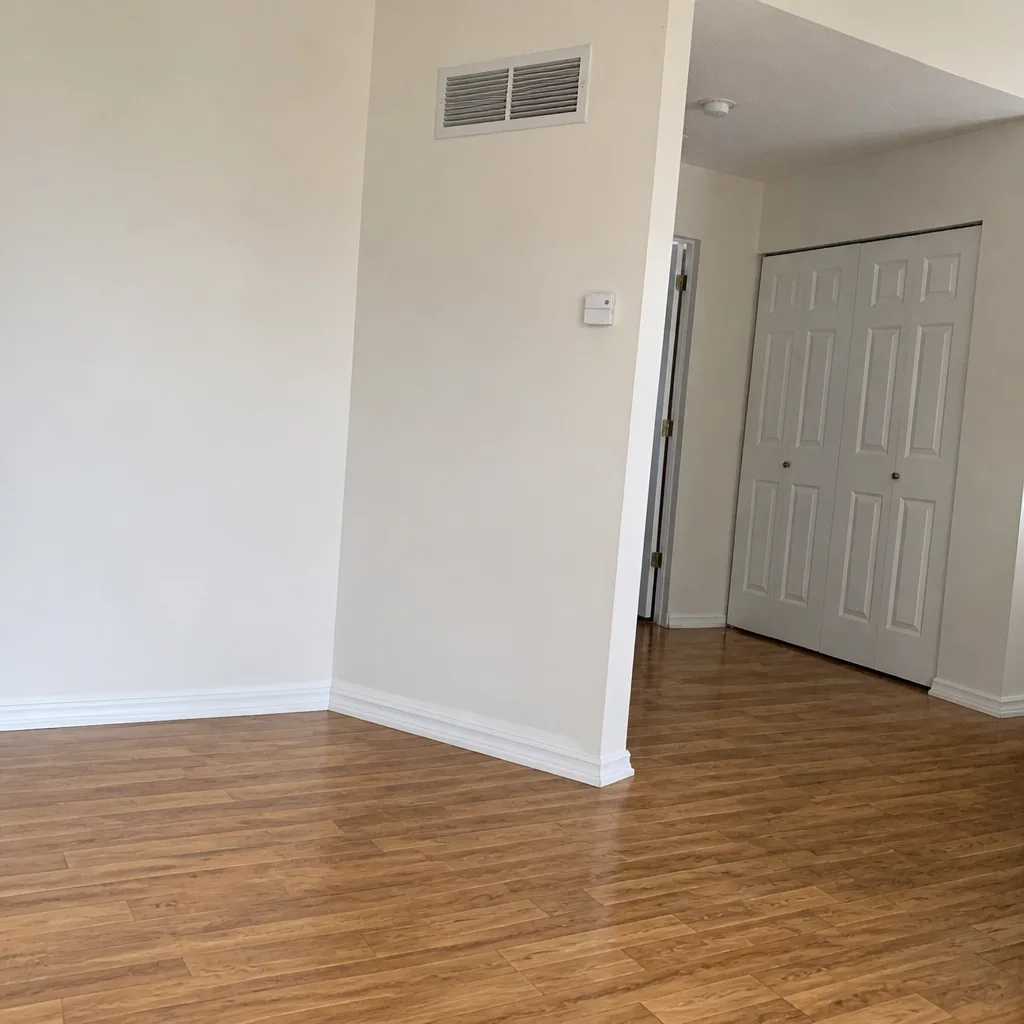 After
When to Call a Professional
Call a professional if any of these is true: you’ve had a renovation in the last year and the system ran during it; you see visible discoloration, growth, or staining inside a duct; you’ve had rodent activity confirmed anywhere in the HVAC system; you’ve been through a wildfire smoke event that pushed into the house; the return air is discharging dust that wasn’t there before; or a musty or animal smell lingers despite filter changes. If none of those fit and your ducts pass the flashlight check, do the DIY maintenance and check again in a few months. For the professional side, Redmond Air Duct Cleaning Co offers free estimates in Redmond – call (877) 792-7059. We answer 24/7. Fast dispatch from 7am to 7pm, Sunday through Friday. One flat price per system, agreed before work starts, and before-and-after photos of your own ducts so you can see what came out.
Frequently Asked Questions
Most Redmond jobs come in based on the size of the system and the condition of the ducts, and any reputable company will give a written estimate before work starts. Ask for one flat price per system, not a per-vent number. Call (877) 792-7059 for an exact quote – estimates are free.
Because the cheap quote is often for a different job: a shop-vac and a wand rather than a negative-pressure system with named professional equipment. Ask what equipment the technician will use and whether the price covers the whole system before comparing numbers at all. Call (877) 792-7059 if you want a straight answer to what a full-system clean involves.
Before-and-after photos of your own ducts are the standard to ask for. The technician should show you the interior condition at the start, the access points they worked through, and the interior after cleaning. If a company can’t do that, the work is unverifiable. Call (877) 792-7059 to book a job with documented before-and-after photos.
There’s no single universal number, and anyone who gives you one without looking at your system is guessing. For many Redmond homes, a professional clean every few years is reasonable, but a wildfire smoke event, a renovation, or a rodent issue can reset the clock. Visual inspection with a flashlight between professional visits is the honest way to know. Call (877) 792-7059 for a free inspection-based estimate.
You can clean the register covers and the first inch or two behind them, and you should – that’s routine maintenance. What you can’t do is remove contamination from the duct interior, because consumer vacuums don’t create the negative pressure needed to capture loosened material. Running a brush without that capture can push contamination into the air instead. Call (877) 792-7059 if your ducts are dirty enough that a shop vac feels necessary.
If the smoke pushed into the house and the system ran during the event, yes. Fine ash and smoke compounds settle into duct runs and recirculate afterward, and a professional clean with proper containment removes what’s settled. Register cleaning doesn’t reach it. Call (877) 792-7059 for a free estimate after heavy smoke.
The Bottom Line
The DIY-versus-professional question isn’t about effort or thrift. It’s about the physical threshold where contamination stops being surface dust and becomes a source-removal problem. Below that line – register covers, filters, accessible grilles, exterior vents – you should absolutely do the work yourself. Above it – negative pressure, capture, microbial growth, rodent evidence, renovation dust, wildfire residue – the equipment gap makes DIY counterproductive, because the tools disturb material without removing it. Read your ducts with a flashlight, work through the decision tree, and call a professional the moment the conditions call for one. The Redmond Air Duct Cleaning Co team handles air duct cleaning, dryer vent cleaning, HVAC cleaning, duct repair and sealing, and air quality and sanitizing for Redmond homeowners – the full system, not a surface clean. Call (877) 792-7059 for a free estimate. We answer 24/7. Fast dispatch from 7am to 7pm, Sunday through Friday.
Written by the team at Redmond Air Duct Cleaning Co.