
Last updated November 25, 2026
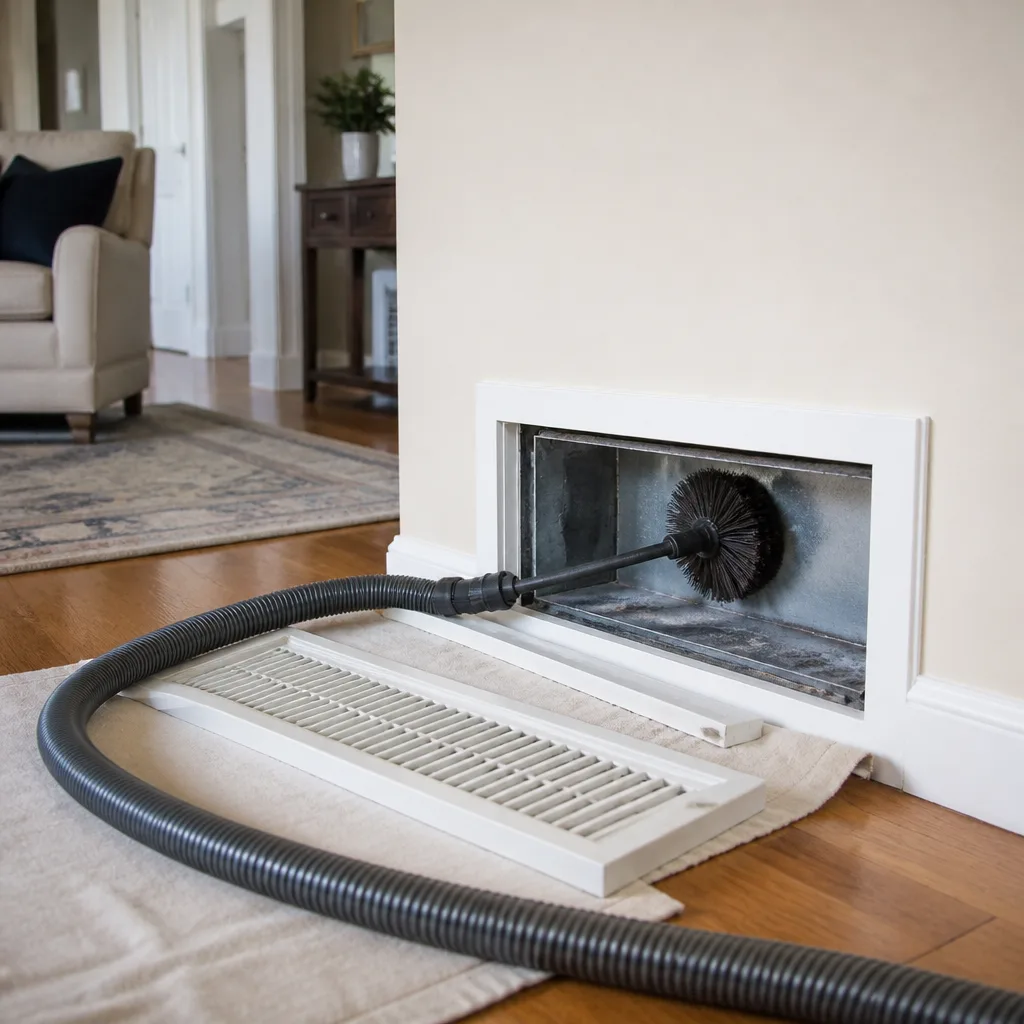 Whole-home duct cleaning
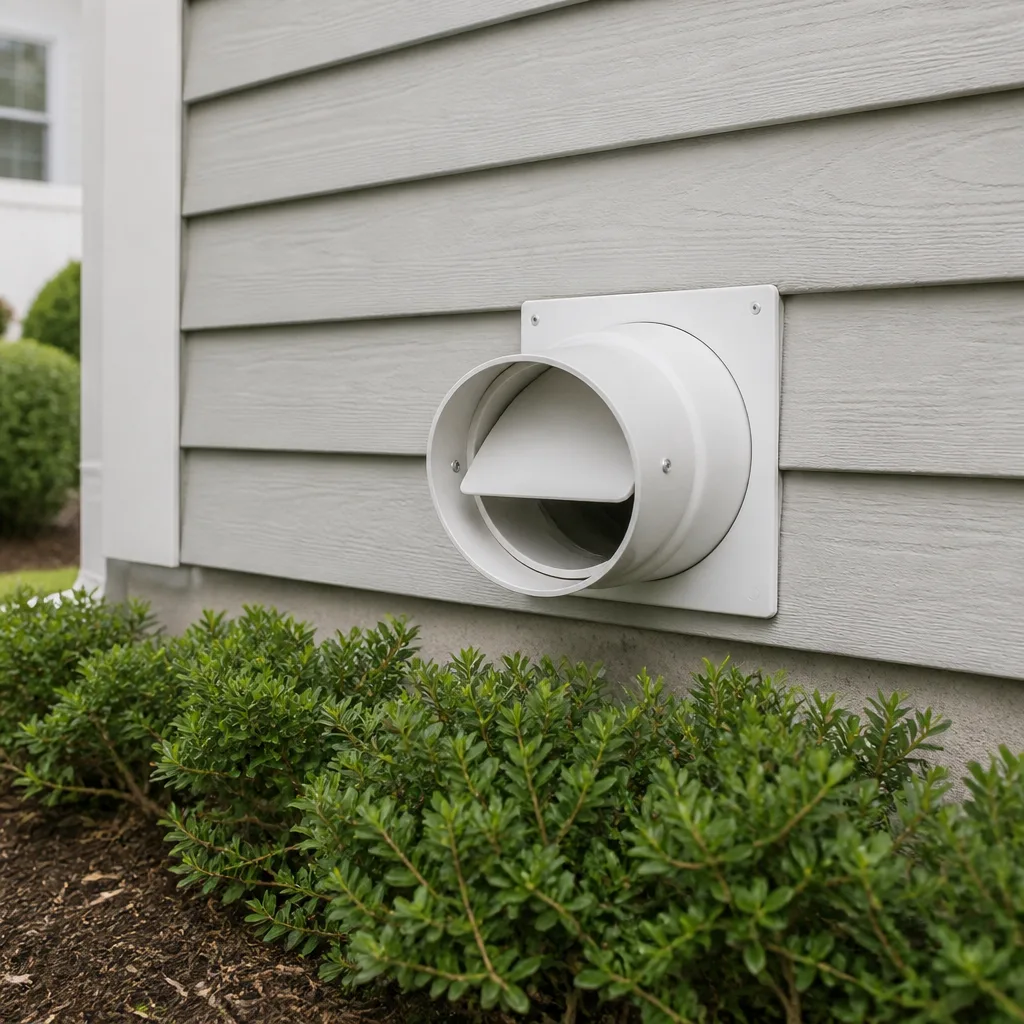 Dryer vent cleaning
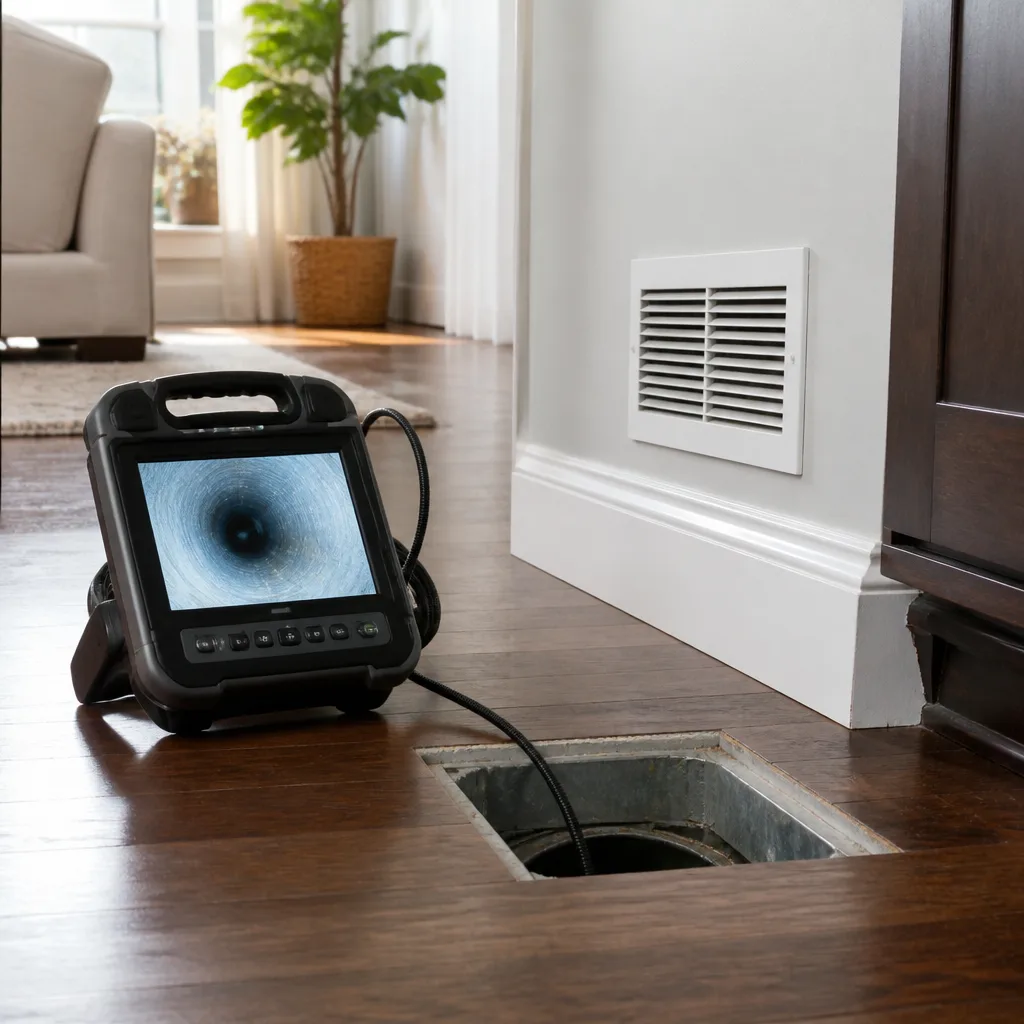 Camera inspection
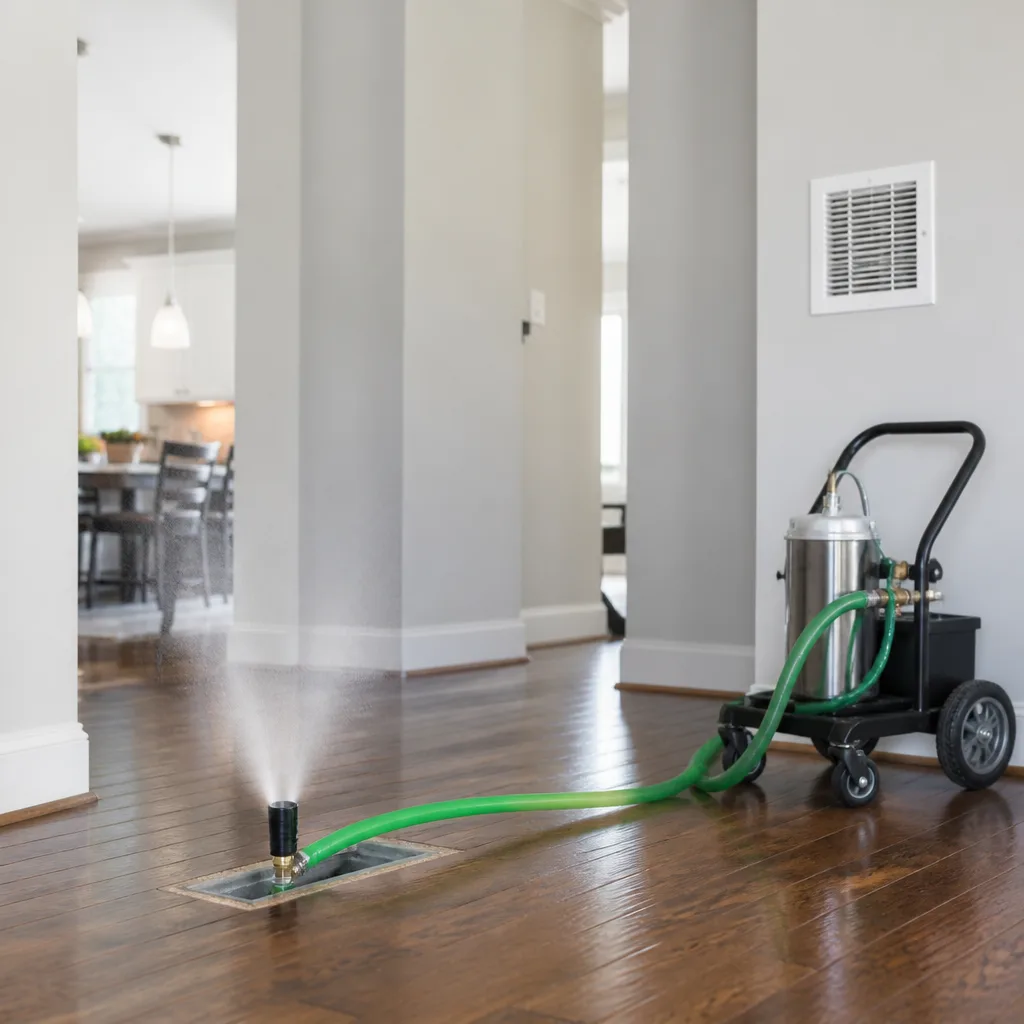 Sanitizing & deodorizing
Whole-system duct and dryer vent check with before-and-after photos - you see exactly what came out of your vents
That "$99 whole-house special" is a bait ad - the real number appears once they are in your hallway, or the "clean" is a shop-vac at the register. We photograph the inside of your ducts before and after instead.
The Complete Guide to Air Duct Cleaning in Redmond
Most homeowners think of duct cleaning as a cosmetic chore: hair, dust, a little debris vacuumed out so the system feels fresher. In our experience across Redmond, the more useful question is what the ductwork is doing as a mechanical system. Ducts are the lungs of your HVAC setup. When they leak, when they draw in damp crawlspace air, or when the blower pushes against resistance it wasn’t designed for, that shows up in your power bill, your comfort, and sometimes your health. This guide walks through how a legitimate full-system cleaning actually works, what a technician should measure before and after, and how to read a report that proves the work was done rather than described.
Styles & brands we work with
- Whole-home duct cleaning
- Dryer vent cleaning
- Camera inspection
- Sanitizing & deodorizing
Quick Answer
A proper air duct cleaning in Redmond uses negative-pressure source removal, not just a shop-vac pass over the registers. It combines a full pre-service inspection with before-and-after documentation, addresses the air handler and coil alongside the ducts, and ends with a report showing measured airflow, filter condition, and photographic evidence. If a company can’t explain what equipment they use or show you the inside of your system before and after, the price is the only thing you’ll ever be able to compare.
Table of Contents
- How Does Professional Air Duct Cleaning Actually Work?
- Why Pacific Northwest Humidity Changes the Job
- Contact Vacuum vs. Negative-Pressure Source Removal
- What a Real Pre- and Post-Cleaning Inspection Documents
- Why Cleaning Without the Air Handler Is Incomplete
- How to Read a Post-Service Report
- Redmond Housing and Duct Systems: What We See
- How Often Does Duct Cleaning Really Need Doing?
- What Does Air Duct Cleaning Cost in Redmond?
- Common Mistakes to Avoid
- When to Call a Professional
- Frequently Asked Questions
- The Bottom Line
How Does Professional Air Duct Cleaning Actually Work?
Professional air duct cleaning in Redmond starts with the system, not the vacuum. Before any equipment is connected, a technician should walk the house, note every register and return, identify the type of ducting (rigid galvanized steel, flex, or a mix), and measure airflow at a couple of the more accessible registers to establish a baseline. That baseline matters later because it becomes proof of what changed.
From there, the standard workflow looks like this:
- Isolate the system. All registers are pulled, returns are opened, and the air handler is either zoned off or prepared for cleaning. Any registers that can’t be safely removed without damage get photographed and reported.
- Establish negative pressure. A high-volume vacuum with HEPA filtration is connected to the trunk or plenum so the whole duct network is held under suction. This is what keeps dislodged contamination from drifting back into living space.
- Agitate the duct walls. Rotobrush and Nikro whip-and-brush tools are run through each branch line and the trunk, mechanically scrubbing the walls where dust and biofilm adhere. Air movement alone won’t dislodge it.
- Clean the air handler and coil. If the blower wheel and evaporator coil aren’t cleaned, the system is still re-contaminating itself the moment you turn it on. We treat these as part of the same job, not an add-on.
- Sanitize when conditions call for it. A Guardsman-grade surface treatment is applied in areas where microbial growth is visible or suspected, not as a default fogging of the whole house.
- Re-inspect and document. A borescope camera is run back through the same runs, airflow is re-measured, and filters are checked or replaced before the report is written.
Our technicians have up to 11 years of experience running this sequence across Redmond housing stock, from 1970s ramblers off Education Hill to newer townhomes near Marymoor Park. That range matters because a well-sealed rigid duct in a 1990s build responds very differently to cleaning than a flexible duct system in a newer energy-efficient home. The tools adapt; the order of operations doesn’t.
Why Pacific Northwest Humidity Changes the Job
In Phoenix or Las Vegas, duct cleaning is mostly about dust. In Redmond, it’s about moisture. The Puget Sound region sits in a marine climate with long damp stretches from fall through spring, and interior ducts frequently absorb that. A return trunk that runs through a crawlspace or an exterior wall cavity can sit near the dew point for weeks at a time. Condensation forms on the duct interior, and damp dust becomes a growing medium.
That has three practical consequences for Redmond homeowners:
- Biofilm, not just dust. Where a dry-climate duct accumulates loose dust, a damp Redmond duct often grows a thin microbial film that bonds to the metal. Vacuuming alone won’t remove it; the duct wall needs mechanical contact from a brush head, and in some cases a sanitizing treatment afterwards.
- Musty odors as a first signal. If you notice a faintly musty or earthy smell when the furnace or heat pump first kicks on, that’s moisture-driven growth off-gassing into your supply air. It’s an inspection trigger, not something to mask with a scented filter.
- Duct leakage matters more. Every small joint gap in a duct that passes through unconditioned space pulls in humid attic or crawlspace air. In a Redmond winter that means cold, damp air bypassing your filter entirely and entering the supply side.
Where the cleaning finds visible growth, we treat it, and where it finds gaps or disconnected flex joints, we recommend sealing as the corrective step. Cleaning a duct that keeps pulling moisture in is a repeat job waiting to happen. If your crawlspace has ever had standing water or a slow leak, tell the technician before work starts, since that changes both the inspection and the cleaning plan.
Contact Vacuum vs. Negative-Pressure Source Removal
There are two ways to clean a duct system, and only one is the professional standard. Contact vacuuming uses a portable vacuum head placed directly at a register while the technician works the branch line with a brush from the same opening. It sounds thorough, and for a small awkward space it can be useful. But the ducts are still at neutral pressure, so anything that gets loosened can drift back toward the living space instead of being pulled out.
Negative-pressure source removal does the opposite. A large collector is attached to the air handler or main trunk and runs continuously, holding the entire duct network under suction. Every brush stroke and whip action happens inside that suction field, so dislodged material moves toward the collector, not into your bedroom. It’s the same principle restoration crews use after a water loss or a fire, which is why the equipment overlaps. That’s also why we run Rotobrush for the mechanical agitation and Abatement Technologies equipment where the contamination load calls for it: the two together cover the actual job, not a demo.
When you’re comparing estimates, ask directly: “Does your equipment hold the duct system under negative pressure during cleaning?” If the answer is vague, or the quote is based on a consumer-grade vacuum with a hose at the register, you’re comparing a surface wipe to a full extraction. The price gap usually reflects that difference, not better care.
What a Real Pre- and Post-Cleaning Inspection Documents
A legitimate inspection exists to prove what was found and what changed. Before-and-after photos are useful, but they should be paired with measurable data. Here’s what a thorough job should document in Redmond, both before and after cleaning:
- Visual camera evidence. Borescope footage of at least the main trunk and two or three branch runs, showing the duct interior before agitation and again after extraction.
- Airflow readings (CFM). Measured at a fixed set of registers before and after. CFM stands for cubic feet per minute, and a clogged or restricted return often shows up as a below-expected reading that improves once the duct is cleared.
- Static pressure. Total external static pressure at the air handler, which indicates how hard the blower is working against the duct system.
- Filter condition. The filter cut-date and whether it was replaced, since a fresh filter reads differently from a loaded one.
- Air handler and coil condition. Photos of the blower wheel, coil face, and drain pan.
- Any defects found. Disconnected flex, holes at takeoffs, crushed runs, or visible biological growth. These are the findings that turn a cleaning into a repair-and-sealing recommendation.
A technician who can’t produce this documentation either didn’t measure, didn’t bring the equipment, or didn’t think it mattered. Any of those is a reason to ask questions before you book. The inspection is the spine of the whole service: cleaning without it is guesswork.
Why Cleaning Without the Air Handler Is Incomplete
The air handler is the source of the airflow that moves debris through the ducts in the first place. If you clean every branch line but leave a dust-loaded blower wheel and a fouled evaporator coil in place, the system pushes the old contamination right back out the moment it’s switched on. We think of it like mopping a floor and then dumping a bucket of dirty water across it.
The blower wheel is the biggest single culprit. Over years, its blades accumulate a fuzzy mat of dust and microbial growth that cuts its efficiency and adds a persistent musty undertone to the supply air. The evaporator coil, when it’s damp from normal cooling operation in Redmond summers, becomes a growth site all on its own. Cleaning both is part of a full-system job.
This is where our broader service menu earns its keep. We offer HVAC cleaning as its own category, alongside air duct cleaning, so the air handler is treated as part of the system rather than a separate callout. If the inspection finds crushed or disconnected flex, or leaking joints in the trunk, we address those through Duct Repair & Sealing as part of the same visit or as a clearly scoped follow-up. Once the ductwork is clean and sealed, a filtration upgrade – Aprilaire whole-home filters are a common pick, and we’re authorized to work with their systems – keeps it cleaner for years rather than months.
How to Read a Post-Service Report
A post-service report is worth more than a stack of invoices. If you’re the one paying for a cleaning in Redmond, read it with a skeptical eye. Here’s what to look for:
- Before-and-after camera footage of the same runs. Not stock photos. The frames should be identifiable so you can confirm they’re from your system.
- Two sets of airflow readings. A CFM table before and after, at the same registers, taken with the same instrument. Improvement should be visible, though modest in a system that wasn’t badly restricted.
- Static pressure before and after. If the blower was working hard against a clogged return, the drop in static pressure is the strongest evidence the cleaning helped.
- Filter status. A note on the old filter condition and whether a new filter was installed, along with its stated MERV rating.
- Deficiency list. Anything found but not fixed in the same visit, listed with photographs and a recommended fix. A blank deficiency list when the duct is 25 years old is a red flag.
- Scope of work performed. Which registers were cleaned, whether the air handler and coil were addressed, and whether any sanitizing solution was applied and where.
If a company hands you a receipt with no data on it, treat the work as unverified. That alone justifies asking for a follow-up inspection before you call them again.
Redmond Housing and Duct Systems: What We See
Redmond’s housing stock runs across a wide range of eras, and each one produces its own duct quirks. On Education Hill and Overlake, the 1950s-1970s ramblers we service generally have rigid galvanized duct runs that have held up but are often undersized by modern standards and riddled with unsealed joints in the crawlspace. In the newer construction around Marymoor Park and downtown Redmond Town Center, flexible insulated duct is common, and the most frequent issues are crushed or pinched flex where a run was squeezed into a tight joist bay, and disconnected joints that have been quietly leaking into an attic for years.
You can usually spot trouble before any technician arrives. Three things worth checking:
- Uneven rooms. A single bedroom that stays cold in winter or warm in summer, despite closed doors and an open register, often has a crushed or disconnected branch line serving it.
- Dust on registers. Dark staining around the grille isn’t only cosmetic; it usually indicates air is moving past a filter that isn’t catching what it should.
- Musty smell in the return. A return grille that smells earthy or damp when you hold your face near it is a strong sign of moisture in the return trunk.
The Redmond dirt doesn’t do the ductwork any favors either. Pollen season in the Sammamish Valley runs long, and the region’s conifer pollen is famously fine and sticky. A well-sealed, filter-protected system handles it. A leaky one pulls it in through every crawlspace gap. That’s the practical reason airtight ducts matter here: Redmond’s air quality outside is largely good, so most of what ends up circulating indoors arrived via the duct system itself.
How Often Does Duct Cleaning Really Need Doing?
Most homes in Redmond need a full-system cleaning every three to five years, not every single year. That’s the honest range, and we’d rather say it than sell a service that isn’t needed. The exception is a home that has had a water event, a pest intrusion, a renovation, or a smoker in the past. Those shorten the clock considerably.
There are also positive signs your ducts are fine right now: steady register airflow in every room, no musty smell when the system starts, no visible dust streaks near grilles, and a filter that stays clean looking for its full rated life. If you’re seeing any of those, there’s no urgency.
Signs it’s time to book:
- A visible dust plume when you first turn the system on for the season.
- A persistent musty or stale smell at return grilles.
- Recent remodeling that involved sawing, sanding, or drywall work.
- Any rodent, insect, or bird activity found in the ductwork or attic.
- A system that hasn’t been inspected since before the previous homeowner moved in.
- Cooling or heating costs that have climbed without any change to how you use the system.
Annual filter changes and a quick visual inspection of grilles are the two habits that stretch the interval the most. They cost almost nothing and prevent the worst cases from building up.
What Does Air Duct Cleaning Cost in Redmond?
Air duct cleaning in Redmond generally runs on a whole-system basis, not a per-vent price. The final cost depends on the size of the system, the number of branch runs, whether the air handler and coil are included, and whether repair or sealing is needed. Here’s a typical line-item breakdown, as ranges only:
| Service | Typical Estimated Range |
|---|---|
| Full air duct cleaning (whole-system, negative pressure) | $400 – $900 |
| Air handler and blower wheel cleaning (added to duct cleaning) | $150 – $350 |
| Evaporator coil cleaning | $150 – $400 |
| Duct repair and sealing (per zone or small repair) | $200 – $600 |
| Sanitizing treatment (applied to affected runs) | $100 – $300 |
| Dryer vent cleaning | $125 – $275 |
Two things drive those ranges up or down more than anything else. First, whether the system has visible biological growth or a moisture source, since that requires a longer cleaning and often a sanitizing step. Second, whether the inspection uncovers a repair need, like a crushed run or a disconnected flex joint. A price quoted over the phone without a system inspection is a guess, not an estimate.
We set one flat price per system after we’ve inspected the ductwork and reviewed findings with you. That price is what’s on the written estimate, and it doesn’t change once work starts. Estimates are free. Call (877) 792-7059 to schedule one.
Common Mistakes to Avoid
- Booking the cheapest quote without asking about equipment. A low price is often a sign the company plans to use a shop-vac on the registers rather than a full negative-pressure system. The result is dust redistributed rather than removed.
- Cleaning ducts without the air handler. If the blower wheel and coil aren’t cleaned, the system re-contaminates the freshly cleaned ducts on the first cycle. Insist on the air handler being in scope.
- Accepting a clean report with no data. In Redmond’s damp climate, a post-service report should include before-and-after footage and airflow readings. A receipt alone is not proof.
- Ignoring a musty smell and just replacing the filter. A new filter masks nothing. Damp growth inside a duct will keep off-gassing until the source is addressed, either by cleaning, sealing, or both.
- Skipping the dryer vent. A clogged dryer vent is one of the leading causes of residential fires. Lint accumulates far faster than most homeowners assume, and the vent duct is a separate system from the HVAC ducting.
- Assuming the ductwork is sealed if the system cools well. Leaky returns often still cool a home fine; they just pull in unconditioned crawlspace air that bypasses your filter. The problem shows up in comfort and moisture, not the thermostat reading.
- Waiting until something smells like a problem. A routine inspection every three to five years catches crushed runs, disconnected joints, and moisture before they spread through the system. It’s cheaper to prevent than to remediate.
When to Call a Professional
Call a professional if you’ve had a water event or leak affecting the house, found evidence of rodents or birds in the attic or ductwork, finished a renovation that generated dust, or noticed a persistent musty smell when the furnace or AC runs. Also call if a room’s airflow dropped noticeably without a filter change, or if you’re a new owner and there’s no record of the ducts ever being cleaned. Any concern about a dryer vent that’s slow to dry clothes warrants a separate visit. Redmond Air Duct Cleaning Co offers free estimates in Redmond, and the technicians use professional-grade equipment on every job, so the estimate reflects what the system actually needs. Call (877) 792-7059. We answer 24/7. Fast dispatch from 7am to 7pm, Sunday through Friday.
Frequently Asked Questions
Full-system air duct cleaning in Redmond typically runs $400 – $900, with air handler cleaning and coil cleaning often adding $300 – $750 on top of that if they’re needed. We quote a flat price per system after inspection rather than a per-vent rate. The written estimate is the final price. Call (877) 792-7059 for an exact quote; estimates are free.
Cheap quotes usually mean the company plans to skip the negative-pressure setup, skip the air handler, and pass a consumer-grade vacuum over a handful of registers. That leaves the walls of the ducts untouched and can push dust back into living space. The cheap price reflects about a third of the actual work. Ask what equipment they run and whether the air handler is included before comparing dollars.
You should get two sets of airflow readings, before-and-after camera footage of the same duct runs, filter documentation, and a written deficiency list if anything was found and not fixed. That’s the baseline we hold ourselves to. A report with no data behind it isn’t proof of cleaning. Call (877) 792-7059 if you want a free inspection to compare against a report you’ve already received.
Every three to five years for most homes, not every year. That interval shortens if you’ve had a water event, a renovation, pests, or a smoker in the house. Homes with newer, well-sealed ductwork and a good filter can go closer to the five-year end. Call (877) 792-7059 for a free inspection if you’re not sure where you sit.
Yes, and it matters more here than in drier climates. The Puget Sound’s long damp season means moisture accumulates in duct interiors, and damp dust becomes microbial growth more easily than dry dust does. Cleaning removes the growth medium; Duct Repair & Sealing removes the moisture pathway. Doing one without the other usually means the problem returns. Our estimate includes a full inspection so you can see which is needed.
If it’s been more than a couple of years, or you notice clothes taking two cycles to dry, yes. Dryer vent lint is a leading cause of residential fires, and the vent duct is a separate system from the HVAC ducting. We treat dryer vent cleaning as its own service for that reason. Call (877) 792-7059 to add it to a duct cleaning estimate or book it on its own.
Cleaning removes contamination from the duct walls. Sealing closes the gaps that let outside air, moisture, and dust into the duct system in the first place. Clean ducts with unsealed joints re-contaminate quickly, especially in Redmond’s damp climate. We recommend sealing when the inspection finds disconnected flex or visible leaks, and it’s often done in the same visit as cleaning.
The Bottom Line
Air duct cleaning in Redmond works best when it’s treated as a system service rather than a surface wipe. Negative-pressure source removal, full inspection with measured airflow before and after, air handler and coil cleaning alongside the ducts, and a report you can actually read: those four things separate a real cleaning from a cosmetic one. Our technicians use Rotobrush and Abatement Technologies equipment because that’s what the job needs, and our air duct cleaning service covers the whole system, not just the branch lines that are easy to reach. If the inspection finds moisture or leaks, we handle those too. For a free estimate on your Redmond home, call (877) 792-7059. We answer 24/7. Fast dispatch from 7am to 7pm, Sunday through Friday. Learn more about Redmond Air Duct Cleaning Co and the full service lineup, or book a visit today.
Written by the team at Redmond Air Duct Cleaning Co.
See the difference
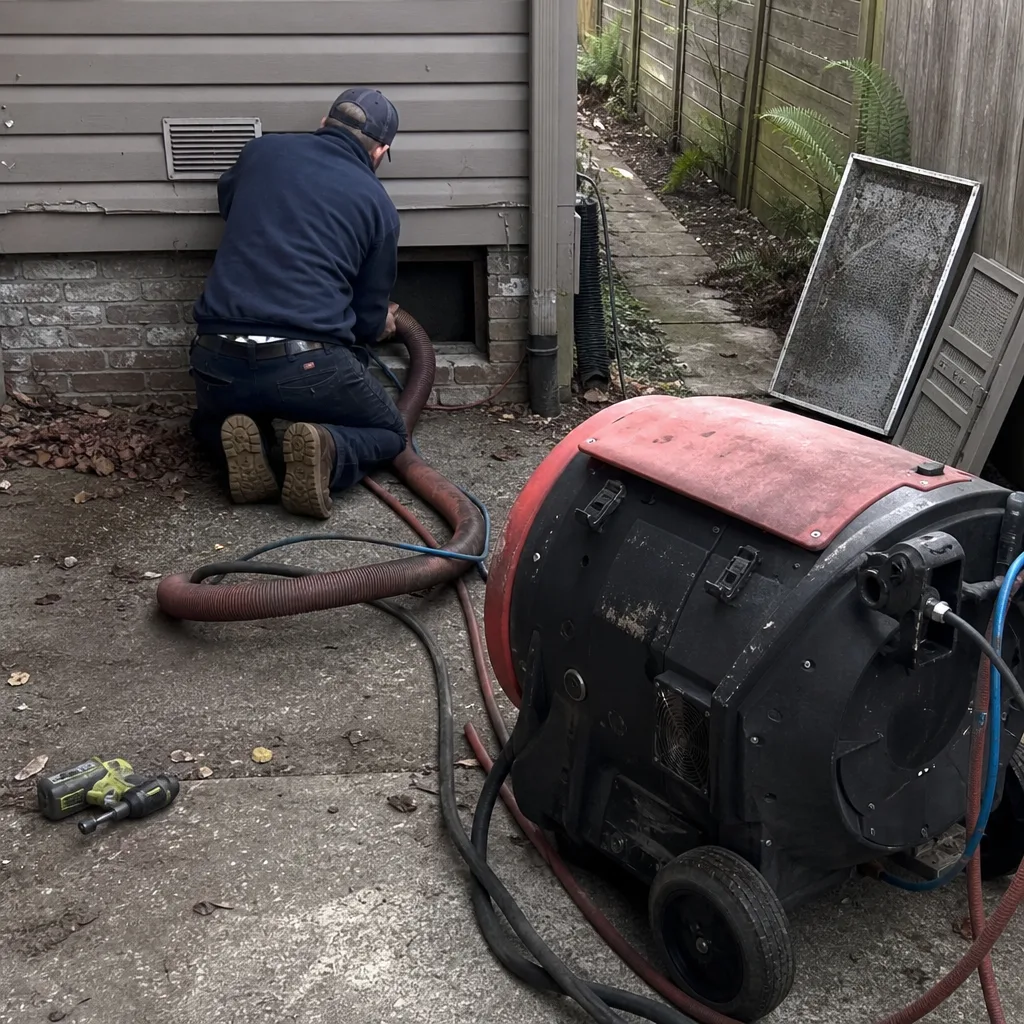 Before
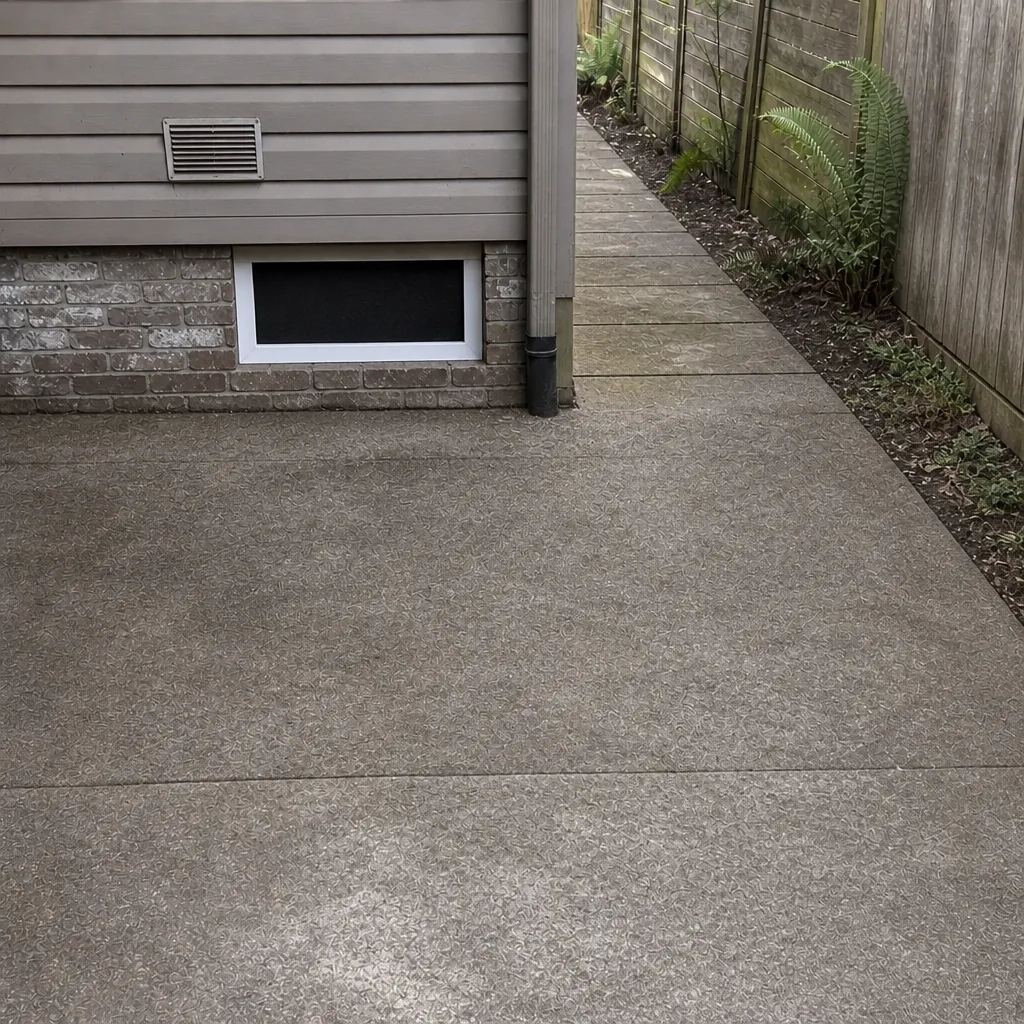 After
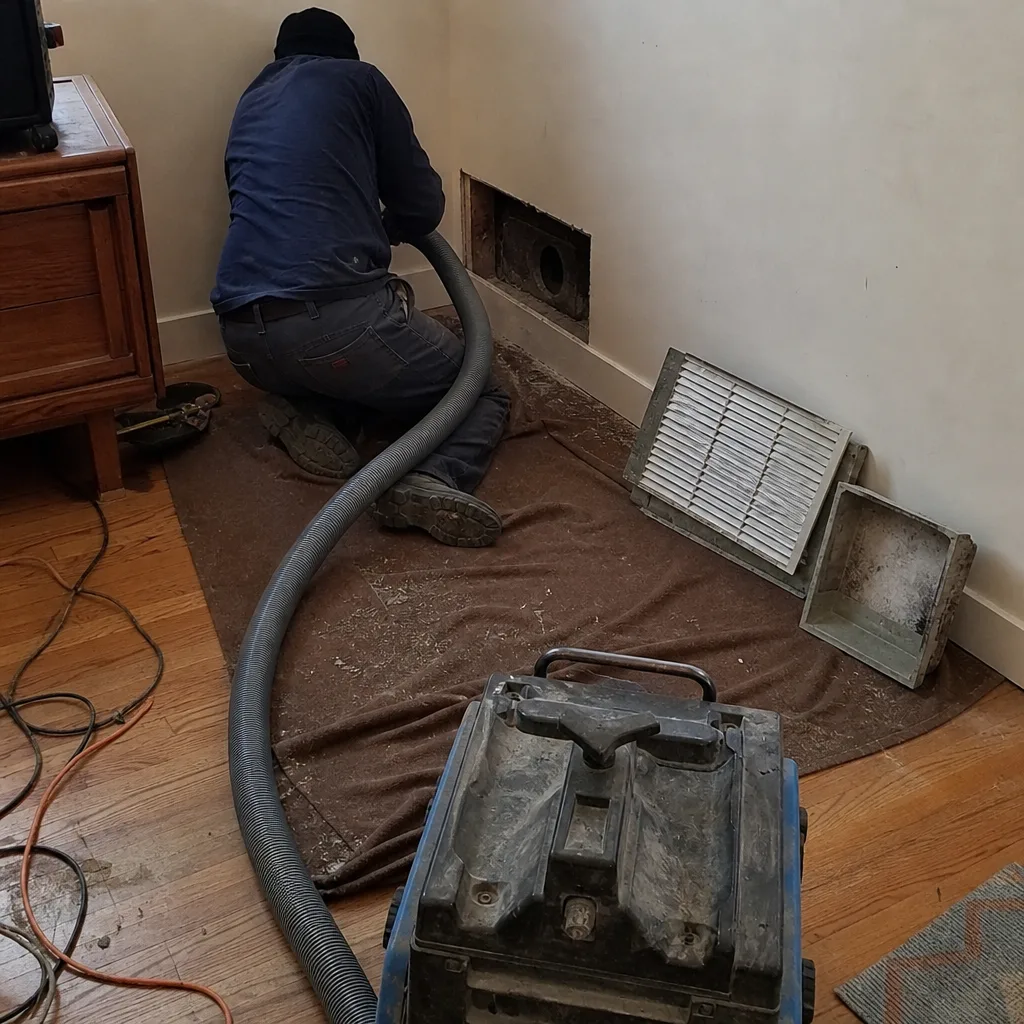 Before
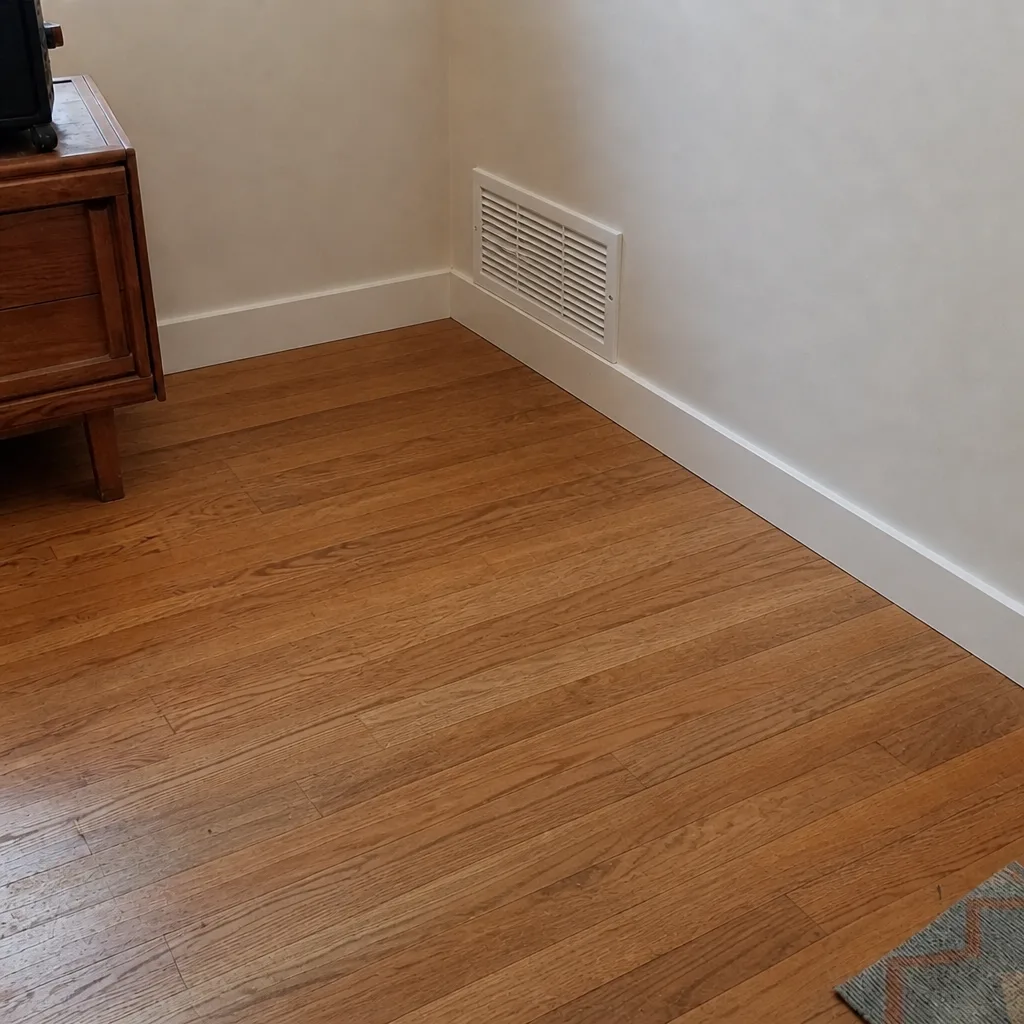 After
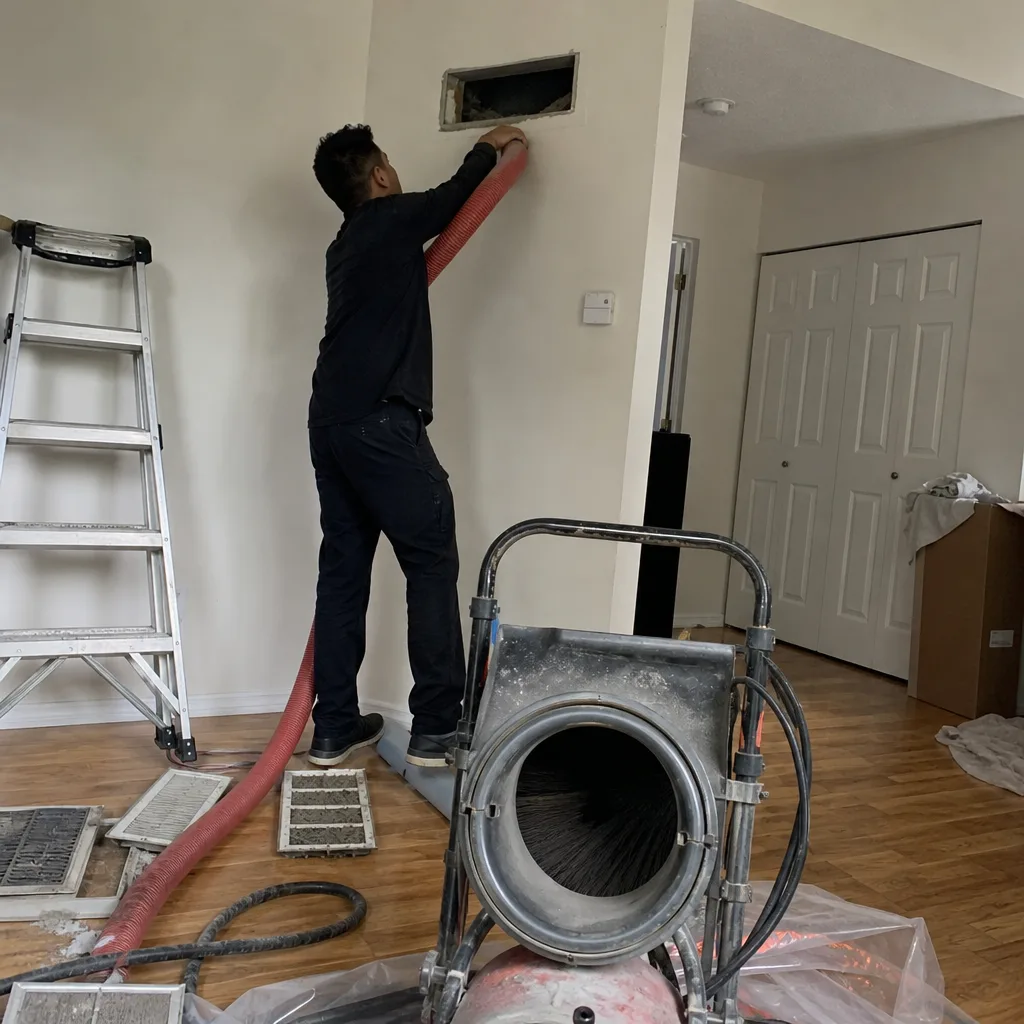 Before
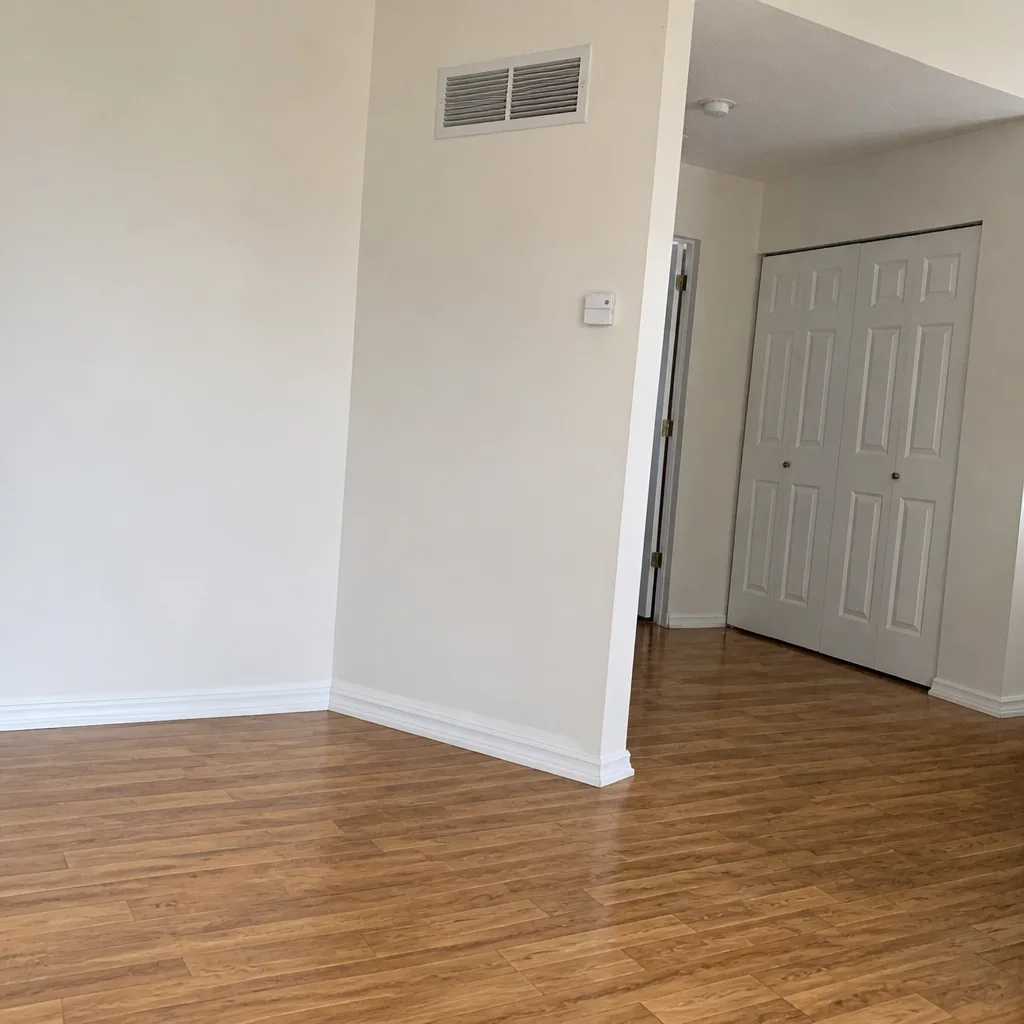 After