
Last updated November 25, 2026
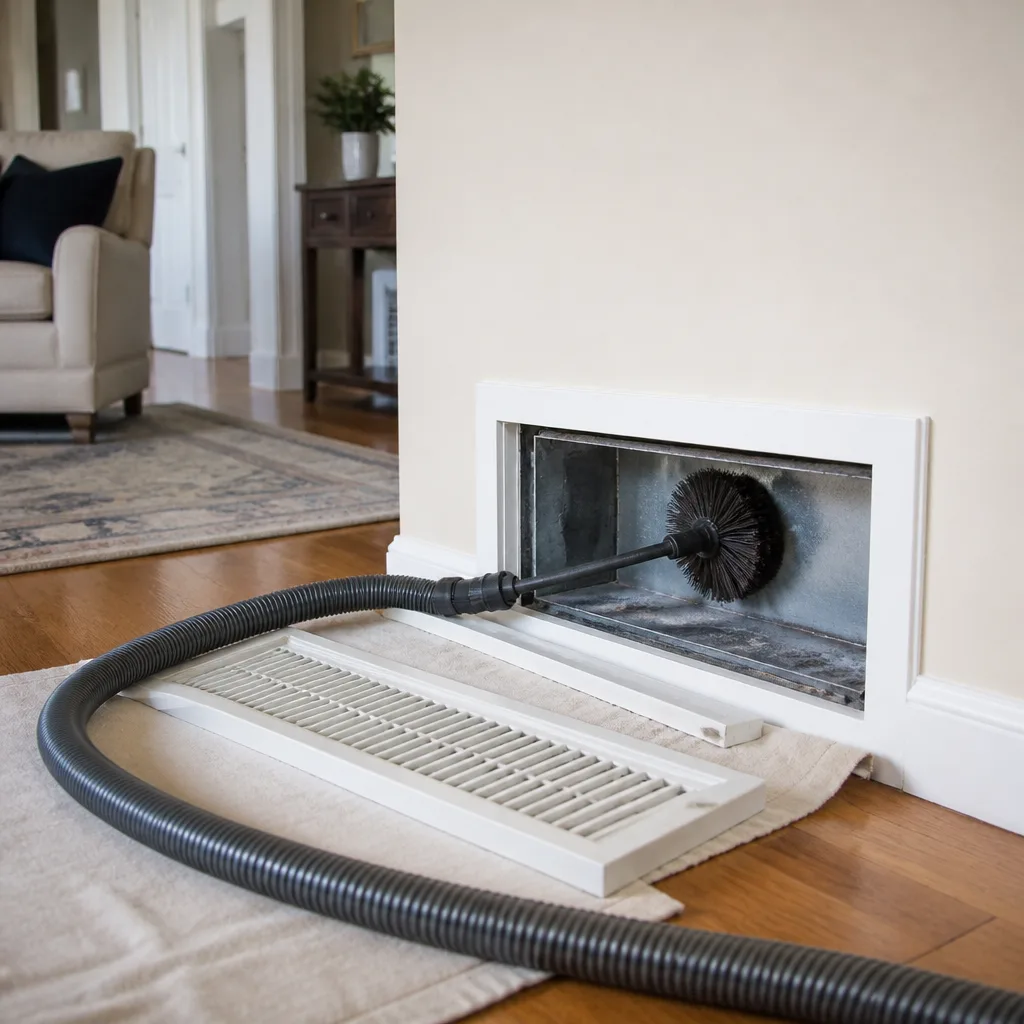 Whole-home duct cleaning
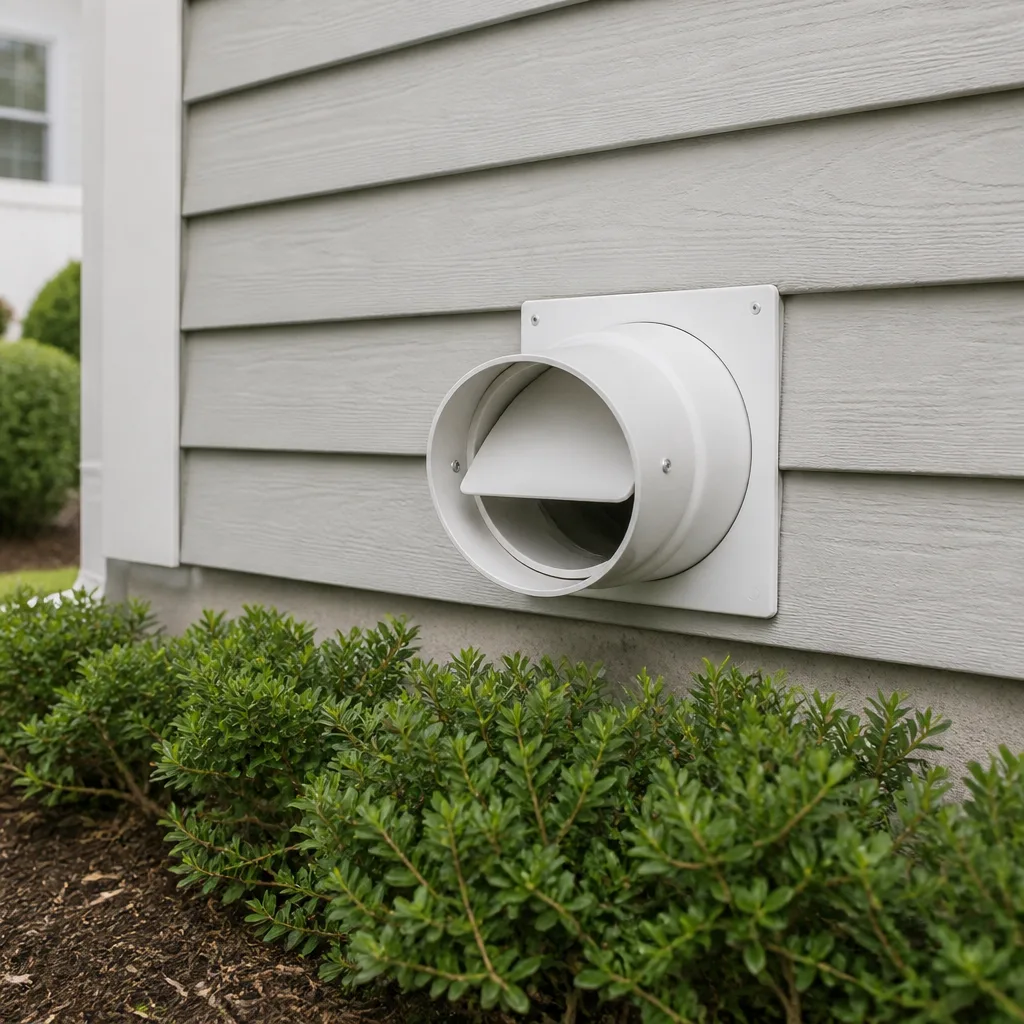 Dryer vent cleaning
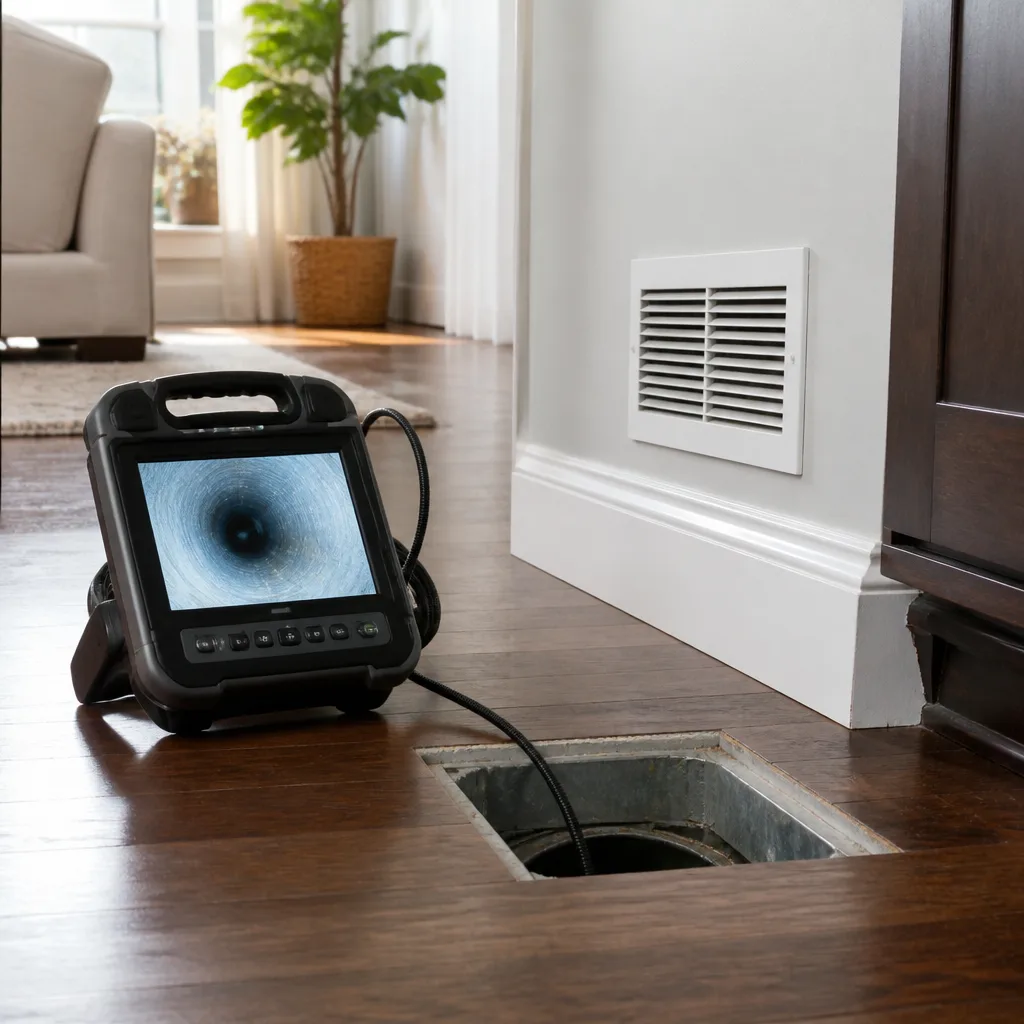 Camera inspection
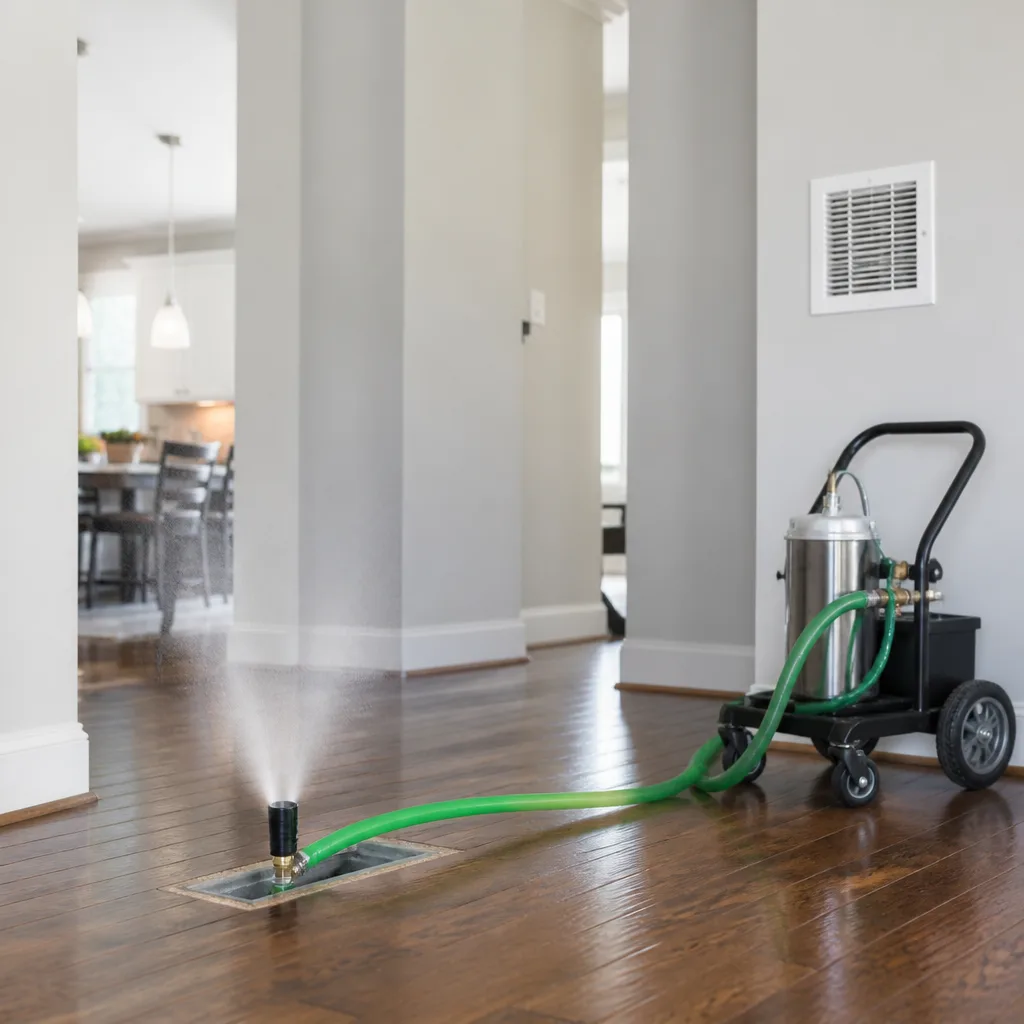 Sanitizing & deodorizing
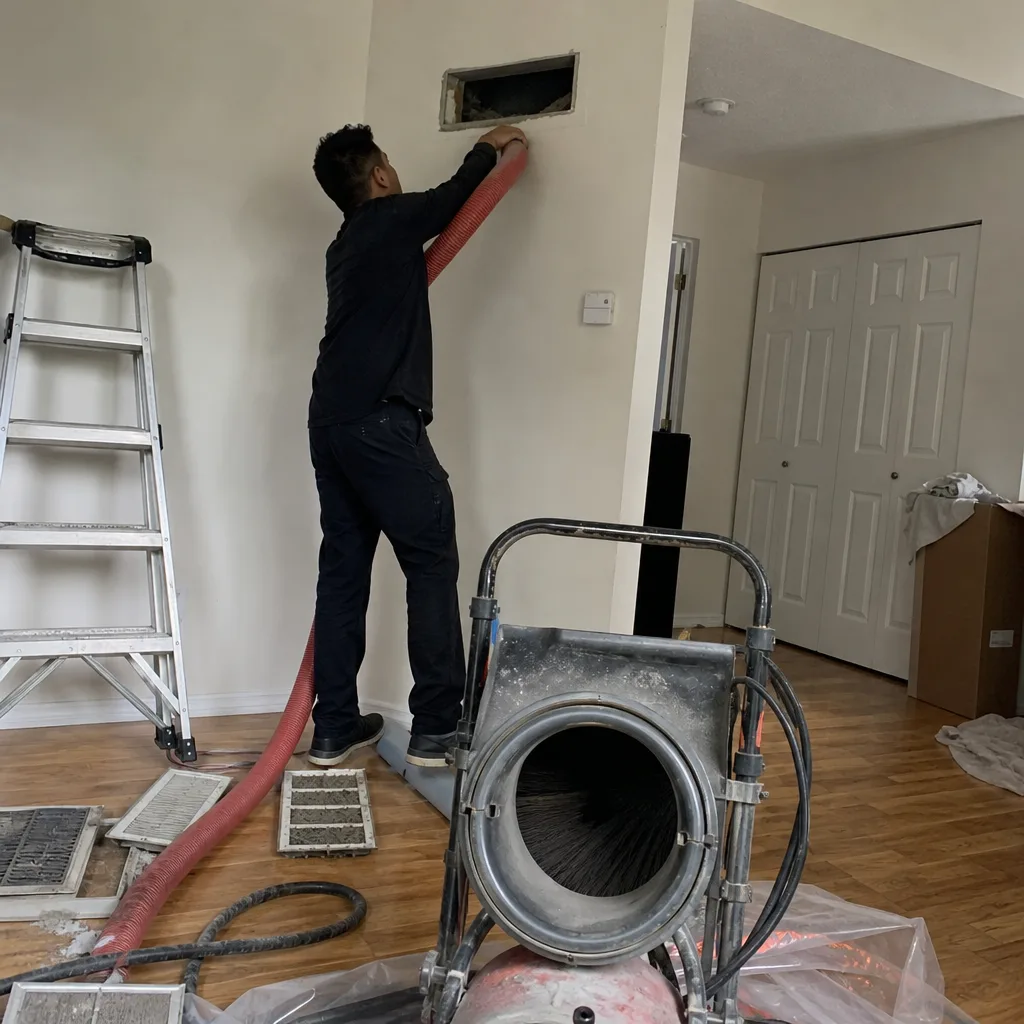
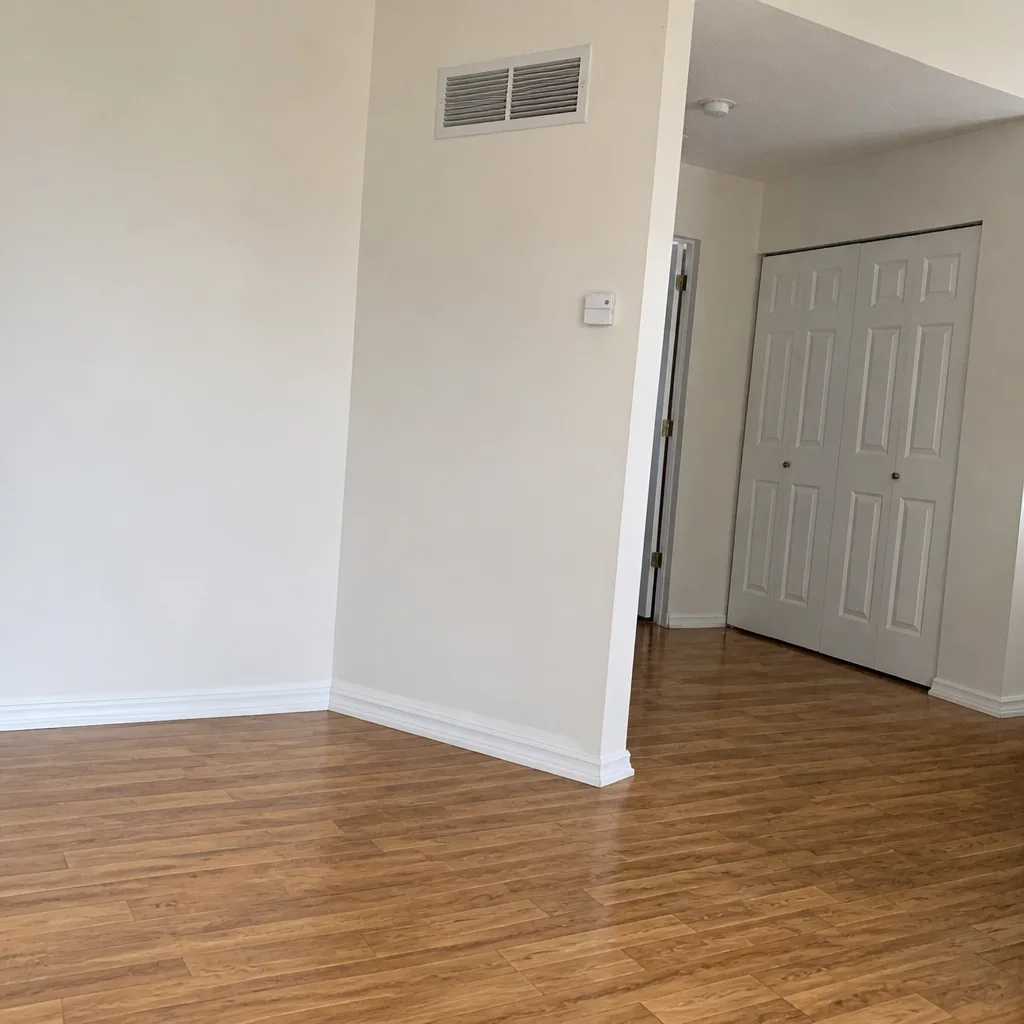
Whole-system duct and dryer vent check with before-and-after photos - you see exactly what came out of your vents
That "$99 whole-house special" is a bait ad - the real number appears once they are in your hallway, or the "clean" is a shop-vac at the register. We photograph the inside of your ducts before and after instead.
Choosing the Right Air Duct Cleaning Brand: A Buyer’s Guide for Redmond
Most people shopping for air duct cleaning in Redmond compare logos. They scan reviews, look at the website, maybe check the price on a coupon mailer, and pick whoever feels least risky. That approach misses what actually determines whether your ducts get clean: the equipment platform the company runs, the cleaning method the technicians follow once they’re inside your home, and whether anyone documents the “after” state. A company with a polished brand and a shop-vac will leave your system dirtier than it started in some cases. A company running professional-grade equipment to a written methodology will show you the difference. This guide explains what to evaluate instead of marketing signals, so you can compare two finalists on the things that matter.
Quick Answer
The right air duct cleaning company in Redmond is the one that uses professional-grade source-removal equipment (Rotobrush, Nikro, or Abatement Technologies are common benchmarks), follows a documented assessment-clean-restoration process, and shows you before-and-after evidence of your own system. Brand recognition, review counts, and coupon pricing tell you almost nothing about technical quality in this category. Look at equipment, methodology, and documentation instead.
Styles & brands we work with
- Whole-home duct cleaning
- Dryer vent cleaning
- Camera inspection
- Sanitizing & deodorizing
Table of Contents
- What “Brand” Actually Means in This Industry
- Equipment Brands That Signal Professional-Grade Service
- How to Evaluate Cleaning Methodology on the Phone
- Why Online Reviews Are a Poor Proxy for Technical Quality
- Specialist vs. Generalist: Why Scope Matters
- Three Objective Criteria for Comparing Finalists
- Redmond-Specific Considerations
- What Post-Service Verification Should Look Like
What “Brand” Actually Means in This Industry
In most service trades, brand is shorthand for reputation. In air duct cleaning, brand should mean something more operational: the equipment platform a company has invested in, the cleaning methodology its technicians are trained to, and whether the company can document the outcome. Those three things are what separate a legitimate provider from a marketing operation that subcontracted the work to whoever answered a job board that morning.
Here’s why this matters in Redmond specifically. The Eastside has a lot of newer construction and a lot of homes built in earlier waves, and both types of housing produce duct systems that need real source removal rather than surface contact cleaning. Newer builds often use flexible duct runs with tight bends and short branches that trap fine particulate. Older homes may have galvanized rigid duct with seams and joints that collect debris over decades. Neither is fixed by running a brush over the first visible length of duct and calling it done.
The industry standard for this work is the ACR standard published by NADCA, the National Air Duct Cleaners Association, which lays out how a system should be assessed, cleaned, and restored. NADCA certification is company-level, not technician-level. That distinction is important. A certified company has committed to the standard at the organizational level, but the specific technician who shows up at your door may or may not have formal credentials. The certification tells you the company knows what good looks like. It doesn’t tell you who’s holding the tool.
So “brand” in a useful sense is the combination of three verifiable things: what equipment the company runs, how the crew describes the process, and whether you get documentation of the work. Everything else is decoration. At Redmond Air Duct Cleaning Co, we build our service around those three because they’re the ones a homeowner can actually check.
Equipment Brands That Signal Professional-Grade Service
Equipment is the single most reliable signal of whether a duct cleaning company is serious. Consumer-grade vacuums and shop-vacs pull maybe a fraction of the debris and can’t maintain negative pressure on a whole-house system. Professional-grade equipment is built for high-volume extraction, agitation, and keeping contamination contained while the work happens. The brand names below are commonly used by commercial and restoration contractors, which is why they show up on the equipment list of any legitimate air quality specialist.
Rotobrush
Rotobrush systems are the benchmark for residential source-removal work. They combine a rotating brush head with high-volume negative pressure, which lets a technician agitate debris off the duct walls and pull it out through a HEPA-filtered vacuum in one pass. The platform is designed for the tight, flexible duct runs that are everywhere in Redmond homes. A company running Rotobrush is doing source removal, not surface cleaning.
Nikro
Nikro is another professional-grade extraction and filtration line used by restoration contractors. Nikro equipment shows up on jobs where the contamination load is high enough that filtration capacity matters, not just suction. If a company names Nikro among its platforms, it’s signaling that it invests in equipment designed for heavier-duty removal rather than the entry-level residential tier.
Abatement Technologies
Abatement Technologies equipment is built for environments where air filtration needs to meet remediation standards, which is a higher bar than typical residential cleaning. Running Abatement gear on a home job signals a company has the capability to handle mold-adjacent, post-renovation, or otherwise contamination-heavy systems without disturbing the rest of the house. That’s a meaningful capability distinction in this category.
You don’t need to memorize the model numbers. You just need to know which platform names count as professional-grade, so when a company’s website or phone rep mentions them, you can place them. If a company can’t name its equipment or describes “our special vacuum,” that’s a signal too.
How to Evaluate Cleaning Methodology on the Phone
The ten-minute phone call before you book a company is the single best diagnostic tool you have. A trained representation of a serious company will answer these without hesitation. A marketing operation will pivot to pricing. Here’s the sequence to run.
- Ask what the process looks like from arrival to departure. A real answer names assessment first (inspection, photos, sometimes a camera), then source removal (agitation plus negative pressure), then any restoration (sealing, sanitizing, repair). A vague answer like “we clean all the vents” is a red flag.
- Ask whether they run negative pressure for the whole job. If they do, they’ll say so plainly. If they don’t, they may describe “spot cleaning” or “vent-only” work. That’s not the same service.
- Ask how they handle the branch lines. Source removal means every branch gets agitated. Vent-only means the register covers get wiped and maybe a shop vac runs. Ask explicitly.
- Ask what documentation you receive. Photos of the ducts before and after, a written scope of what was cleaned, and a report of any issues found. If none of that exists, the work isn’t verifiable.
- Ask about post-service repair or sealing. A real indoor air quality specialist can fix disconnected runs, leaky joints, and poorly sealed returns. A basic cleaner can’t.
- Ask about dryer vent service. If the company also handles dryer vent cleaning, it signals they treat vent safety as part of the whole system, not an upsell.
Run those six questions past two or three companies. The contrast will be clear within a couple of calls. In our experience, the companies that can confidently walk through all six are the ones whose technicians have real training – our technicians have up to 11 years of experience, and the phone-stage process explanation comes from that same operational knowledge.
Why Online Reviews Are a Poor Proxy for Technical Quality
Online reviews are useful for a few things: responsiveness, courtesy, whether the crew showed up on time, whether the price on the invoice matched the estimate. Those are real signals. What reviews are almost never good at is telling you whether the ducts were genuinely cleaned. A homeowner can’t easily see inside their ductwork after a job, so they rate the experience they can perceive. Clean uniform, friendly attitude, no mess left behind, no surprise charges. All of that can be true of a company that ran a shop vac over the register covers and left the branch lines untouched.
The review patterns that should make you pause are the ones about surprise charges and “the price changed once they started.” That’s the bait-and-switch pattern this industry is known for, and it shows up in reviews as a supplement complaint rather than a cleaning complaint. A low advertised price that becomes a far larger invoice once the technician is on site is a documented pattern, and it usually means the promised scope was never real.
Instead of review counts, look for these evidence signals on a company’s site or in the estimate process:
- Photos of the actual equipment they run, not stock imagery of a van.
- Before-and-after photos of the inside of ducts on similar jobs, not just the register grille.
- A written scope of work that names what’s included (branch lines, main trunk, plenum, returns).
- A flat price per system rather than per-vent pricing, which invites upsells mid-job.
- A discussion of post-service documentation up front.
Reviews can help you short-list. They shouldn’t be the last word on whether a Redmond company actually cleans what it says it cleans.
Specialist vs. Generalist: Why Scope Matters
A company that offers duct cleaning as one of twenty services is a different business than a company that specializes in indoor air quality. Both can send a technician to your home, but the outcome tends to diverge. Here’s the operational reason why.
A generalist has to maintain equipment, training, and process documentation across many unrelated service lines. Duct cleaning is one small slice of the business, so the equipment investment, the equipment maintenance cadence, and the trained crew depth all tend to be thinner. In practice that means a generalist often runs an entry-level vacuum and treats the job as visual. The results look acceptable on the outside of the system and are unverifiable inside.
A specialist builds the company around one discipline, which changes the economics. Equipment upgrades happen sooner, because the equipment is the product. Technician training meets a documented standard, because the standard is what keeps the business going. And the service menu tends to broaden within the discipline, not across the trades. That’s why a real indoor air quality specialist usually offers all five of the following:
- air duct cleaning with source removal on branch lines, trunk, plenum, and returns.
- dryer vent cleaning – one of the leading causes of residential fires, and not a convenience item.
- HVAC cleaning that includes blower, coil housing, and air handler surfaces where contamination accumulates.
- Duct repair and sealing, because leaky or disconnected runs undermine every other service.
- Air quality and sanitizing, including surface and sanitizing solutions from brands like Guardsman for post-cleaning.
When all five live inside one company, the customer rarely needs a second contractor to finish the job. Clean ducts are only half the job. If a run is disconnected or a return is unsealed, the cleaning means less.
Three Objective Criteria for Comparing Finalists
Once you’ve narrowed to two companies, stop comparing marketing. Compare these three criteria side by side. Each is verifiable before you book and checkable after the work, which is what makes them useful.
Criterion 1: Scope Documentation
Ask each company to send you, in writing, exactly what will be cleaned and what will not. A real scope names the number of supply and return runs, the main trunk, the plenum, and any accessible air handler surfaces. It also lists what’s excluded, like inaccessible flex runs behind finished walls. A vague scope (“whole house”) is the source of most disputes. Also ask about post-job scope: will you receive a written summary of what was cleaned and any issues found?
Criterion 2: Equipment Specification
Ask each company to name the equipment platform it runs on residential jobs, plus what type of filtration the equipment provides. Professional-grade platforms – Rotobrush, Nikro, Abatement Technologies – imply HEPA-level filtration and enough volume to run whole-house negative pressure. An entry-level machine or an unnamed “special vacuum” doesn’t. This is also where you can ask whether the company runs additional equipment for contamination-heavy work (Abatement gear, for example).
Criterion 3: Post-Service Verification Protocol
Ask how the company verifies the result. A verifiable process usually includes photos of branch-line interiors before and after the work, a written pass/fail on any disconnected or damaged runs found, and any recommended next steps. If two companies differ here, the one with documentation wins by default, because the other can’t prove anything happened.
| Criterion | What to Ask | Green Flag | Red Flag |
|---|---|---|---|
| Scope documentation | Written scope of what’s cleaned and excluded | Itemized scope, before-and-after summary | “Whole house” with no detail |
| Equipment | Named platform and filtration type | Rotobrush, Nikro, Abatement Technologies | Unnamed vacuum, entry-level gear |
| Verification | How the result is documented | Photos and written report of issues found | “You’ll see it’s clean” |
Redmond-Specific Considerations
Redmond sits in a Pacific Northwest climate with a long damp season. That produces two problems for duct systems. First, elevated ambient humidity in the shoulder months encourages biological growth on any duct surface with organic dust load. Second, the extended heating season means furnaces and heat pumps run for more months per year than in most of the country, which pushes more particulate through the system over a season and packs it into branch lines faster. Both are reasons source removal matters more here than in dry climates where ducts stay cleaner between services.
Housing stock in Redmond spans a wide range. Neighborhoods with newer construction, including areas around Marymoor and along the SR-520 corridor, tend to have tighter homes with flex duct and engineered HVAC systems. Tight homes concentrate whatever contamination does develop, so the air quality consequences of a dirty system show up faster. Washington has adopted increasingly strict energy code requirements on ventilation for homes of this era, and those rules put more weight on the duct system doing its job correctly. Older homes in Redmond and nearby communities like Kirkland, Bellevue, and Sammamish typically have different duct configurations: rigid galvanized runs with longer trunk lines, more joints to seal, and higher likelihood of disconnected branch runs that leak air into walls or attics. A company that only knows how to clean one type is going to struggle with the other.
The Redmond market also includes a meaningful share of rental properties and property managers. For landlords, documentation is the entire point of scheduling a cleaning, because it gives them a defensible record. A company that can’t produce that documentation is a poor fit for this market segment.
What Post-Service Verification Should Look Like
Verification separates a verifiable clean from an unverifiable one. Ask any company you’re evaluating to describe what happens after the cleaning pass. A serious answer usually includes all of the following.
- Interior photos of at least one representative branch line before and after. This is the single most useful piece of evidence. It’s the inside of the duct that matters, not the register face.
- A written summary. Which runs were cleaned, which were found disconnected or damaged, which were not accessible.
- Notes on issues found. Disconnected runs, failed joints, torn flex, or evidence of biological growth that warrants further attention.
- Any recommended next step in priority order. Repair and sealing if runs are leaking, HVAC cleaning if the air handler shows contamination, air quality treatment if biological growth is present.
This is where HVAC cleaning and duct repair enter the conversation, even on a job that started as a duct cleaning. Clean ducts with a leaky system don’t stay clean, and a blower compartment that’s never touched keeps seeding contamination back into the airstream. A good post-service report names those issues. A basic cleaner doesn’t look for them. The five service categories exist because they solve different parts of the same problem.
Common Mistakes to Avoid
- Choosing on coupon price alone. A low advertised price that balloons after the technician arrives is the standard bait-and-switch pattern in this industry. Ask for a flat price per system before booking, and get it in writing.
- Skipping the equipment question. If a company can’t name the platform it runs, assume it’s entry-level. Professional-grade equipment is a specific investment, and companies that make it want you to know.
- Trusting review counts over documentation. Reviews tell you the crew was polite. They don’t tell you whether the branch lines inside your Redmond home were agitated. Look for photos and written scope instead.
- Skipping the post-service report. Without it, you have no way to know what was done, what was found, or what still needs attention. It’s also the document a property manager needs for a rental.
- Ignoring the dryer vent. Dryer vents are a fire hazard, not a maintenance afterthought. If you’re scheduling a duct cleaning, ask whether the company handles dryer vents at the same time.
- Stopping at cleaning when the system needs repair. If the post-service report flags disconnected runs or failed joints, book the repair. Clean ducts in a leaky system will be dirty again in a season.
- Hiring a company that can’t answer the phone-call questions. If the six questions in this guide cause deflection on the phone, the technician will deflect on site. The conversation is a preview of the operation.
See the difference
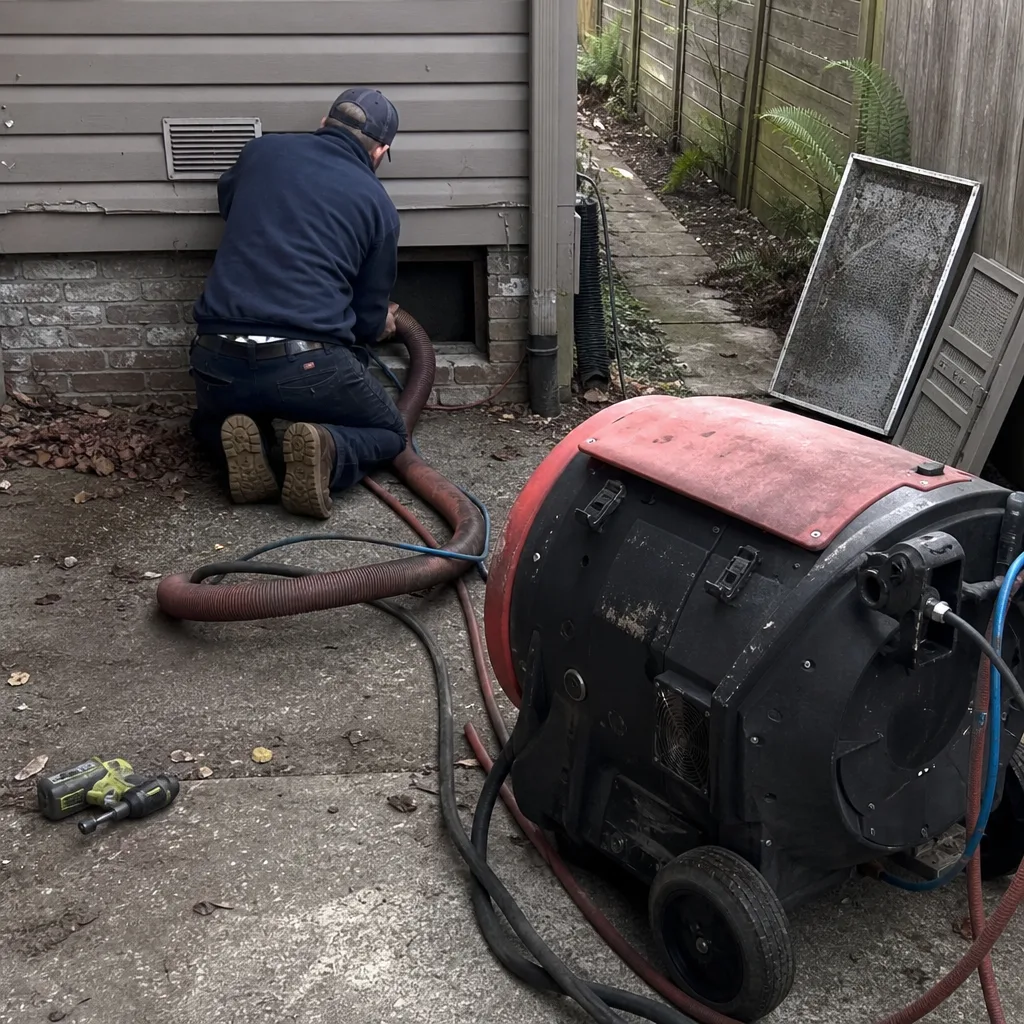 Before
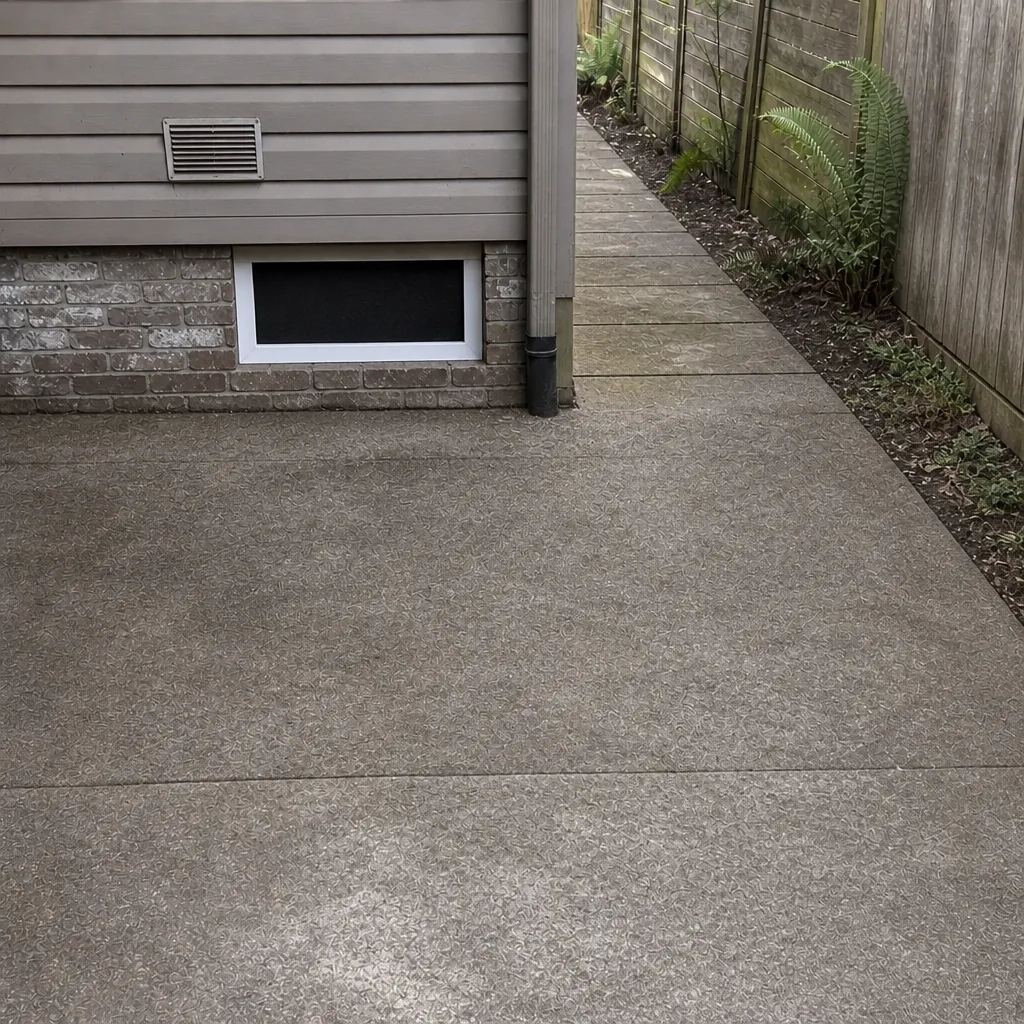 After
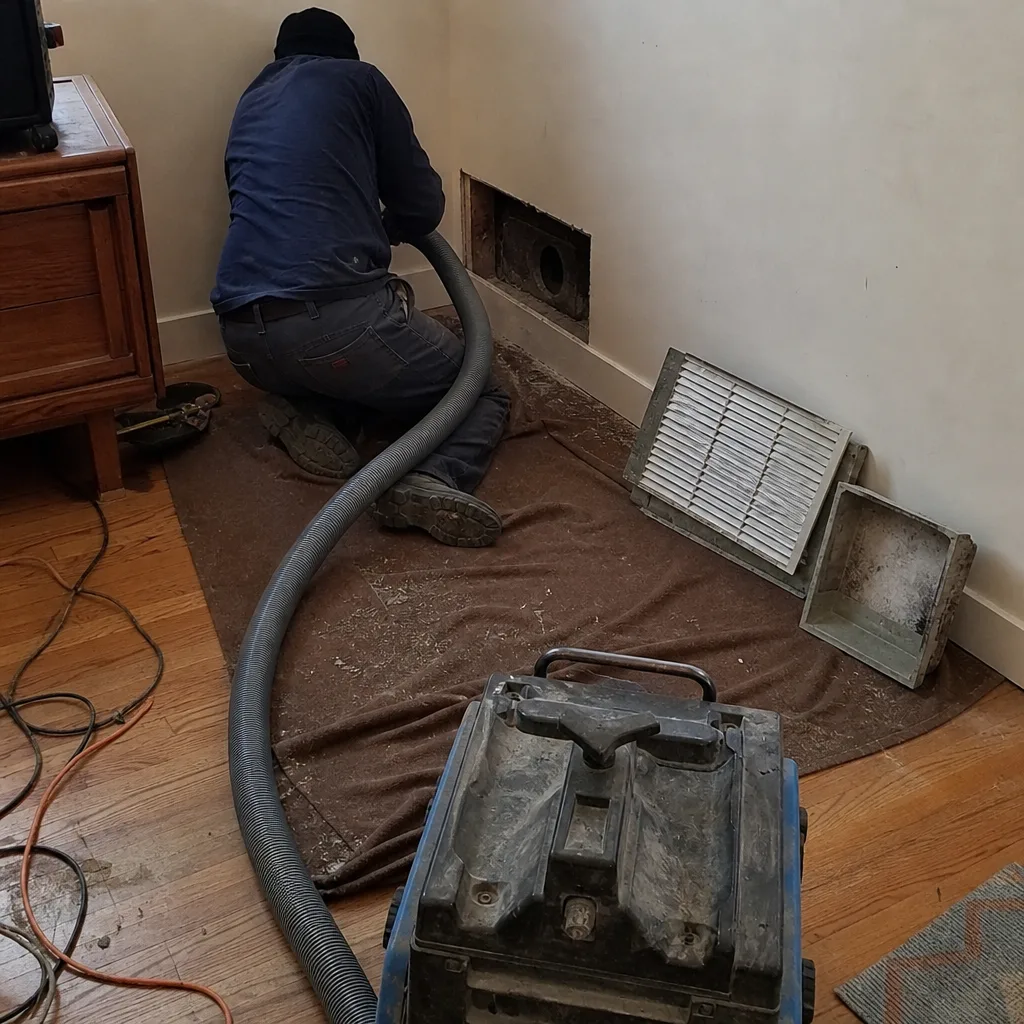 Before
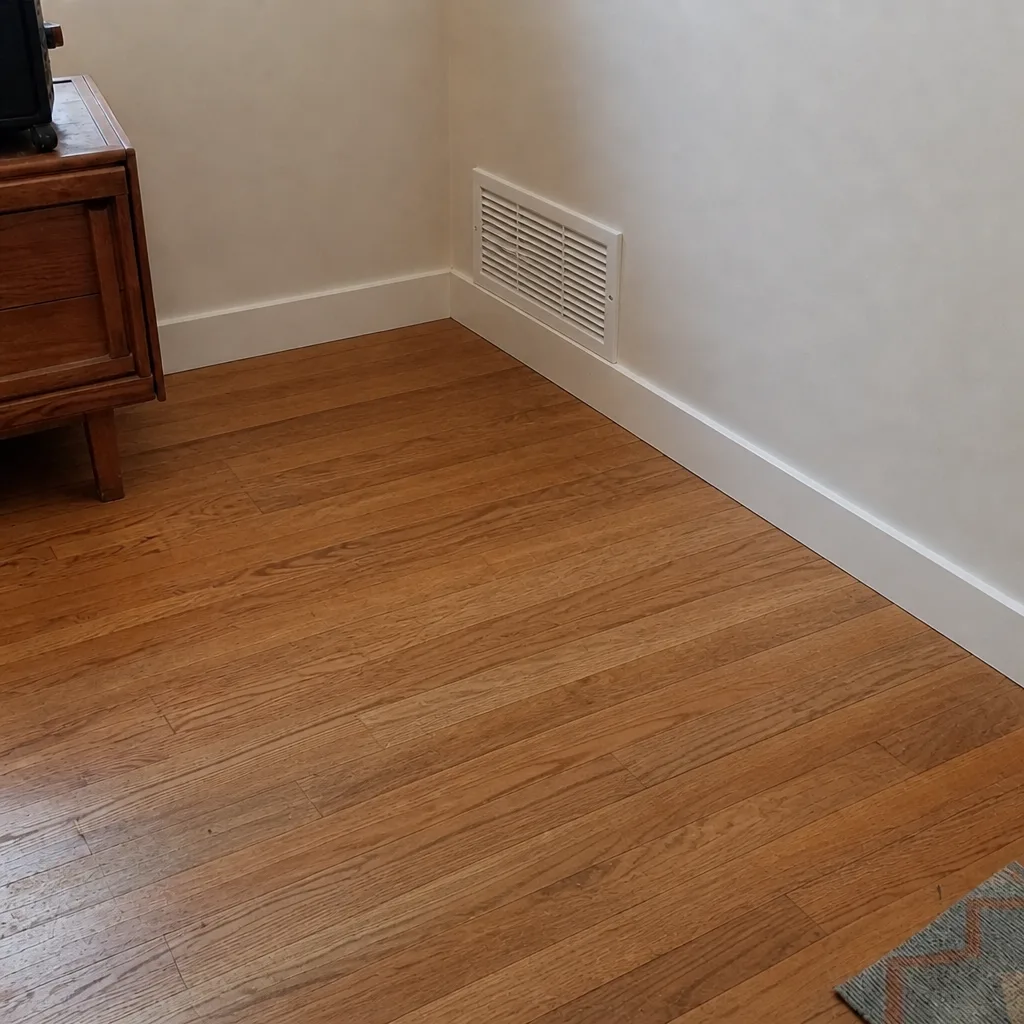 After
 Before
 After
When to Call a Professional
Duct cleaning is worth scheduling when you can see or smell evidence that something is off. Visible dust at the registers right after a cleaning of the room. Musty smell from vents when the system runs. A recent renovation that sent drywall dust through the return. Family members whose symptoms track with HVAC run time. A property you’re turning over between tenants. A dryer that’s taking longer to dry clothes than it used to, which is a dryer vent signal rather than a duct signal. In each case, the recommended first step is assessment, then source removal, then repair and sealing if needed. Duct cleaning isn’t a fixed-interval maintenance item; it’s a response to evidence. If you can’t point to any, reschedule it.
Redmond Air Duct Cleaning Co offers free estimates in Redmond and across the Eastside – call (877) 792-7059. We answer 24/7. Fast dispatch from 7am to 7pm, Sunday through Friday.
Frequently Asked Questions
Compare them on three things: the written scope of what will be cleaned, the professional-grade equipment platform they run, and the post-service documentation they provide. Ignore marketing claims and review counts as primary criteria. Contact both by phone with the same six questions and see which one can walk you through the process in detail. Call (877) 792-7059 for a free estimate.
No. NADCA certification is company-level, not technician-level. It signals the company has committed to the ACR standard for assessment, cleaning, and restoration of HVAC systems, but the individual technician who arrives may or may not hold formal credentials. Ask the company how its technicians are trained and what experience they bring, and look for a company that describes its crew training specifically. Our technicians have up to 11 years of experience.
Cheap quotes usually reflect a smaller scope than the price implies. The advertised price often covers register-face cleaning or a single trunk pass, with branch lines and returns available “for an additional cost” once the technician is on site. Professional-grade equipment, whole-house negative pressure, and documentation cost real money to run. Compare quotes against the written scope, not against each other as a single number. Call (877) 792-7059 for a flat-price estimate on your system.
There’s no fixed interval that applies to every home. The honest answer is event-driven: after a renovation, after a pest issue, after visible dust or musty odor, or when a home changes hands. In Redmond’s damp-season climate, homes with pets or high occupancy tend to accumulate more particulate per heating season than others. If a company quotes you a fixed “every two years” schedule without inspecting your system, treat that as a sales pattern rather than a technical recommendation.
Professional-grade source-removal equipment, not consumer vacuums. Rotobrush is the most common platform for residential source removal. Nikro and Abatement Technologies are professional platforms used by restoration contractors, and a company running them is set up for heavier contamination loads. Ask the company to name its platform and describe the filtration type. If it can’t, that’s a signal.
Dryer vent cleaning is a separate service from duct cleaning, but a specialist typically handles both. Dryer vents are a leading cause of residential fires, so the work is a safety service rather than a convenience add-on. Ask any company you’re evaluating whether it handles dryer vents and what equipment it uses. Redmond Air Duct Cleaning Co offers dryer vent cleaning alongside the duct work.
The Bottom Line
In the Redmond market, “brand” in air duct cleaning should mean three operational things: professional-grade equipment from platforms like Rotobrush, Nikro, and Abatement Technologies; a documented cleaning methodology that separates source removal from contact cleaning; and post-service verification you can actually look at. Reviews and price alone won’t tell you whether the ducts got cleaned. A company that specializes in indoor air quality – running all five services from air duct cleaning through dryer vent, HVAC, repair and sealing, and air quality treatment – will produce a verifiable result. Before you book, call two companies with the same questions and compare on scope, equipment, and verification.
Ready to compare? Call (877) 792-7059 for a free estimate. We answer 24/7. Fast dispatch from 7am to 7pm, Sunday through Friday.
Written by the team at Redmond Air Duct Cleaning Co.