
Last updated November 25, 2026
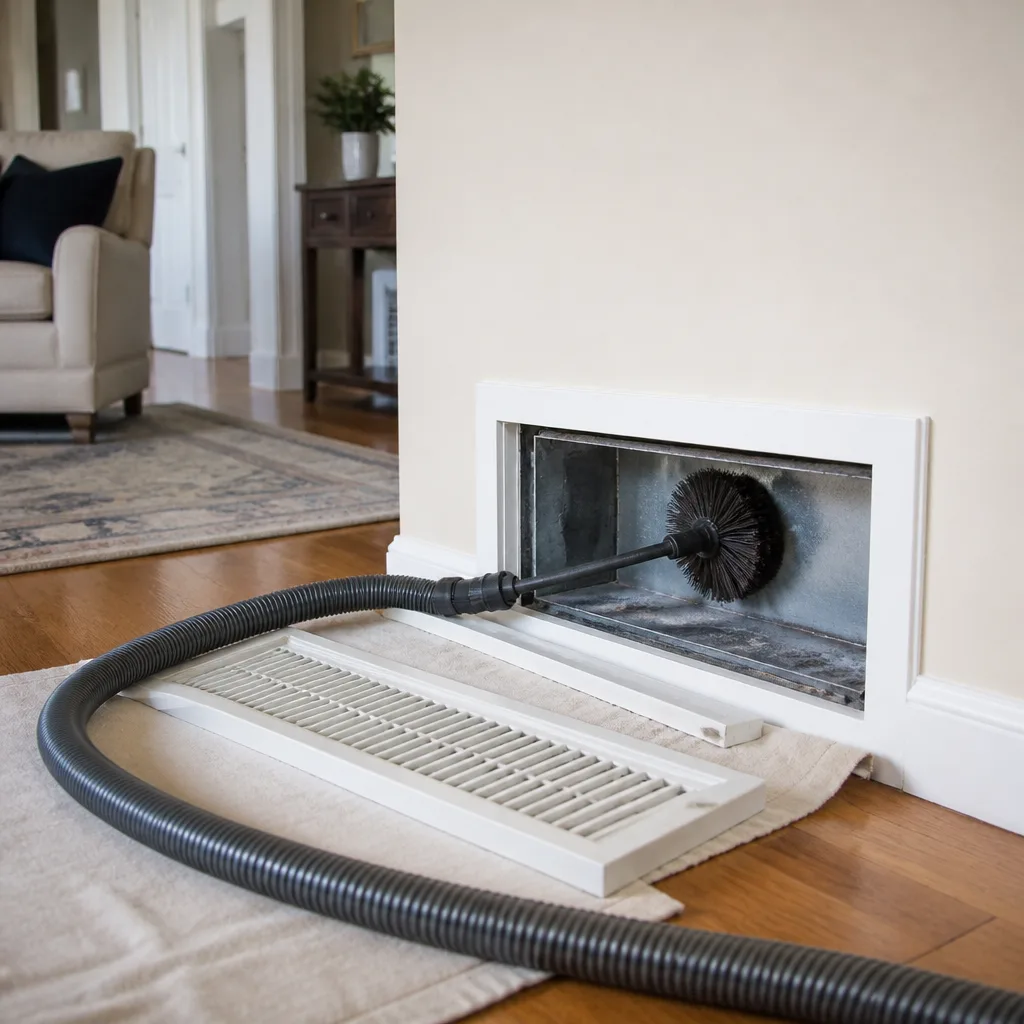 Whole-home duct cleaning
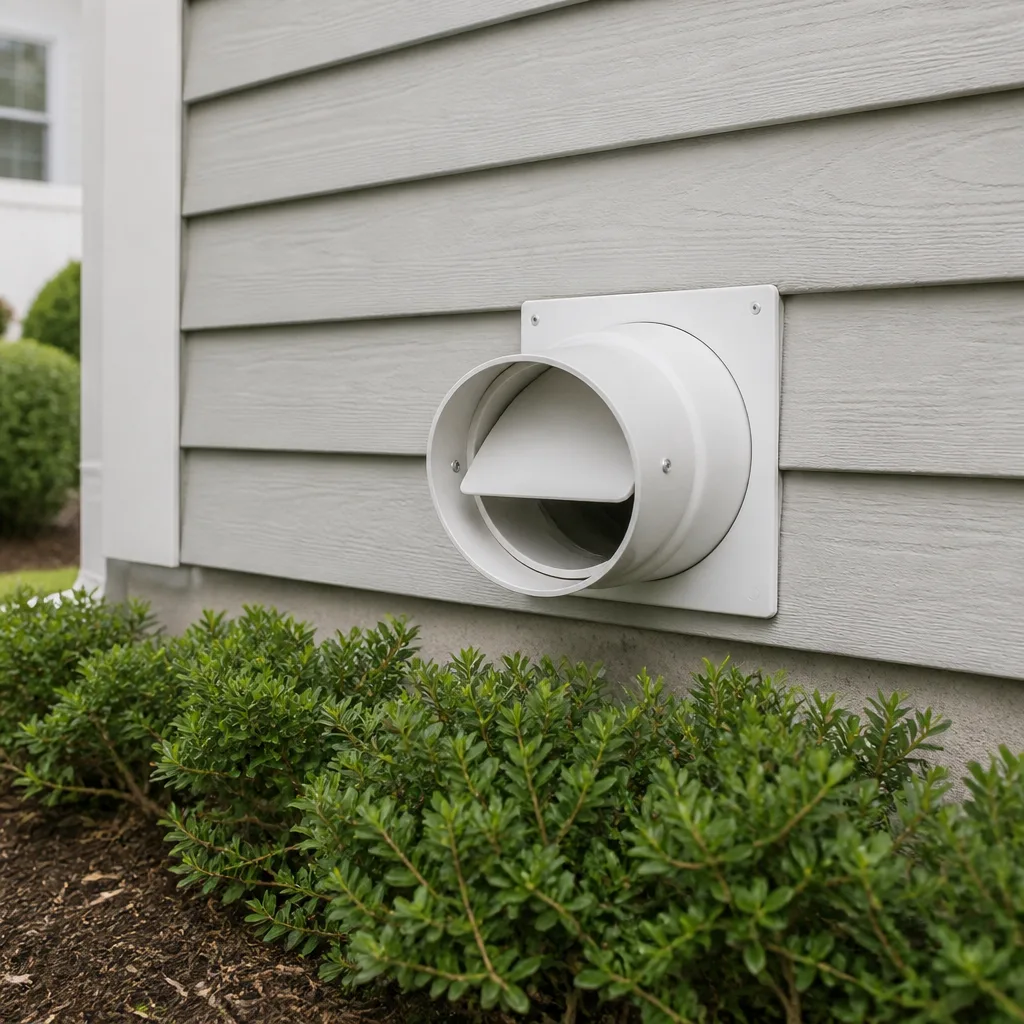 Dryer vent cleaning
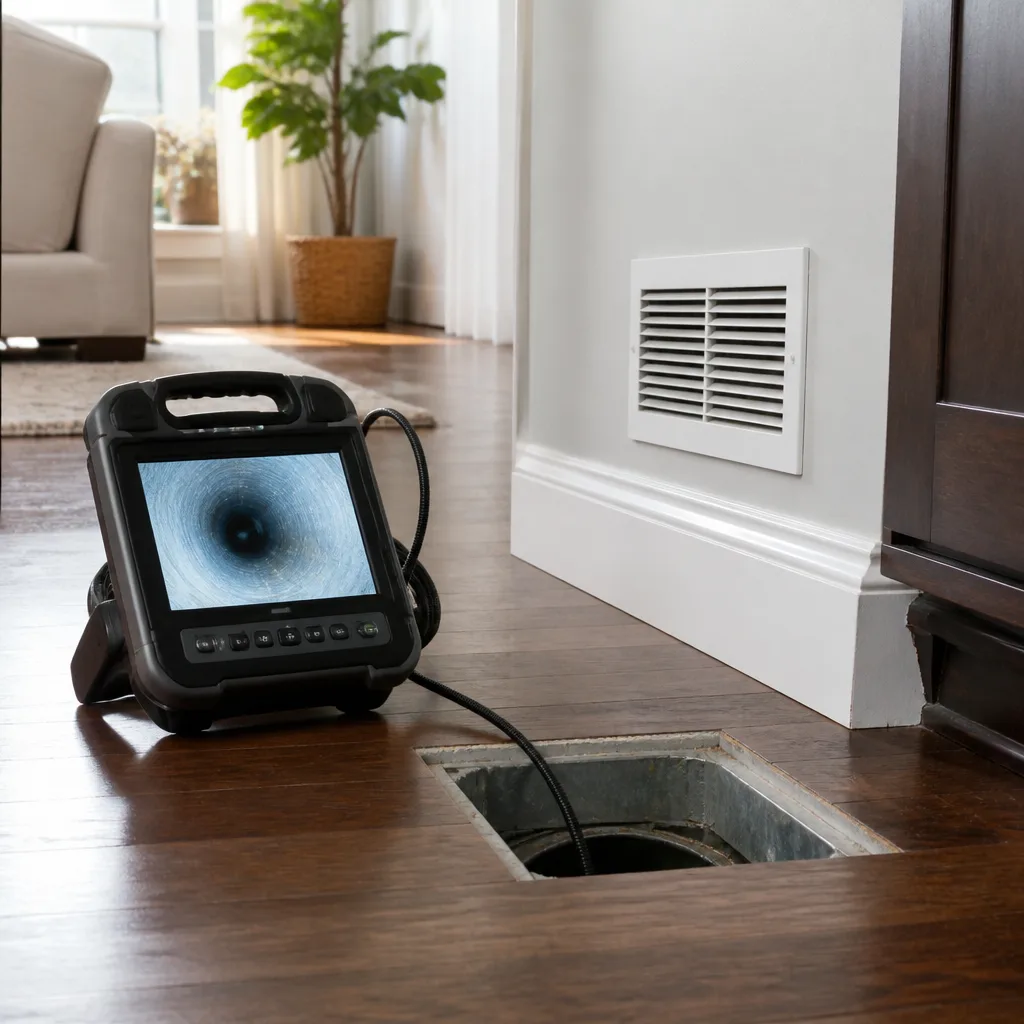 Camera inspection
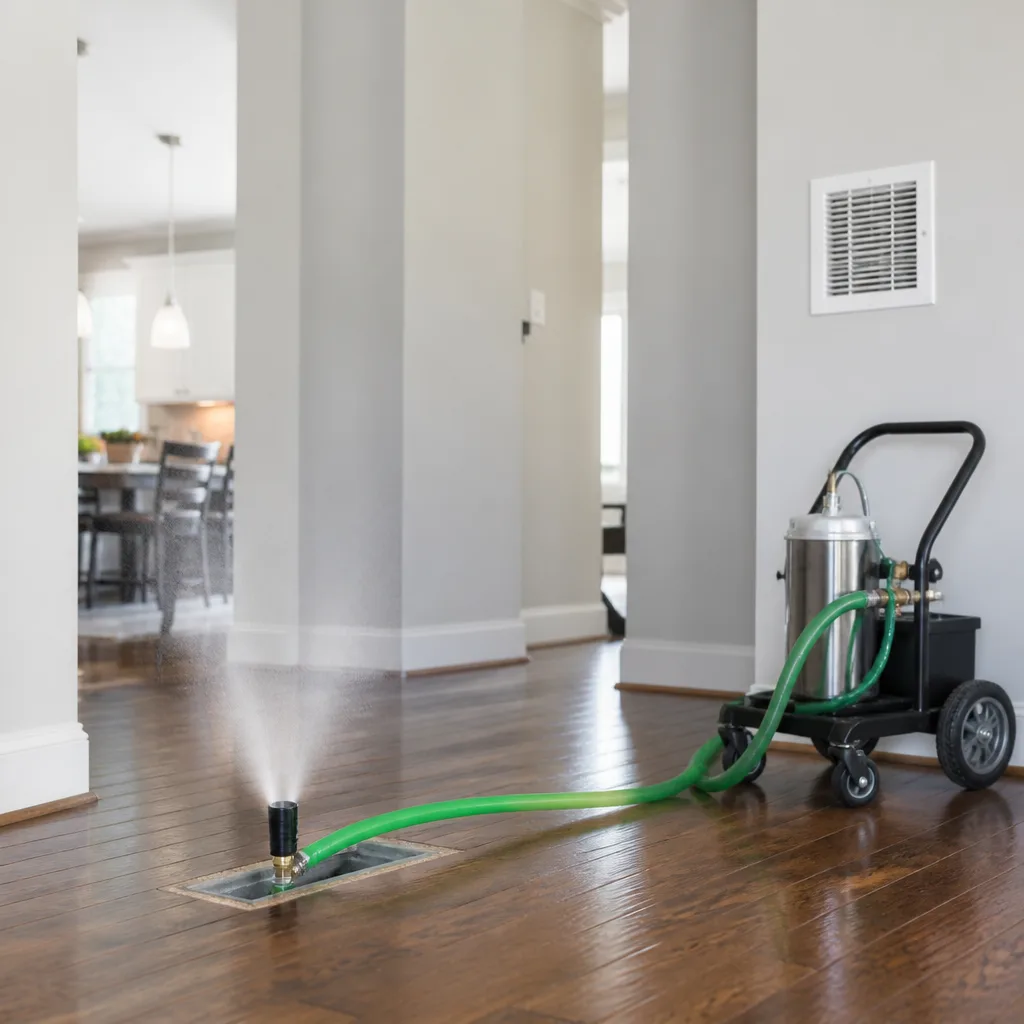 Sanitizing & deodorizing
Whole-system duct and dryer vent check with before-and-after photos - you see exactly what came out of your vents
That "$99 whole-house special" is a bait ad - the real number appears once they are in your hallway, or the "clean" is a shop-vac at the register. We photograph the inside of your ducts before and after instead.
Air Duct Cleaning Maintenance Checklist for Redmond Homeowners
Most homeowners call for duct service when they finally see dust puffing out of a register. By then the problem has usually been building for months: the lining has absorbed moisture, the insulation has started to break down, and the evaporator coil has been pulling dirty air through it every heating and cooling cycle. Waiting for a visible symptom is the expensive way to find out your system needs attention. What follows is a technician-level monitoring protocol you can run yourself in a few minutes a month, plus the seasonal checkpoints that actually matter in Redmond, and the exact conditions that tell you to stop watching and call someone. Think of it as preventive diagnostics, not a cleaning schedule.
Quick Answer
Check your filters monthly and your registers, return grilles, and duct openings for dust, moisture, and debris every one to three months. In Redmond, add three deeper checkpoints: after wildfire smoke season in late summer, after your first heating runs in November, and after the pollen surge in April and May. When you see any threshold indicator below, schedule a professional inspection rather than keep self-monitoring.
Styles & brands we work with
- Whole-home duct cleaning
- Dryer vent cleaning
- Camera inspection
- Sanitizing & deodorizing
Table of Contents
- Why a Monitoring Protocol Beats a Cleaning Schedule
- Your Monthly Ten-Minute Visual Checklist
- Seasonal Checkpoints for Redmond’s Climate
- Tracking Filter Loading Rates Over Time
- What to Photograph Around Every Service Call
- Threshold Indicators That Mean Call a Professional
- Monitoring the Whole System, Not Just the Ducts
- Common Mistakes to Avoid
- When to Call a Professional
Why a Monitoring Protocol Beats a Cleaning Schedule
A fixed schedule (“clean the ducts every X years”) ignores the one variable that matters: how fast your particular system is loading up. Two houses on the same street in Redmond can have very different contamination rates depending on pets, nearby construction, how often the windows are open during smoke season, and whether the return ductwork is sealed. The schedule tells you nothing about your house. Monitoring does.
Here’s the mental shift. Dust in a duct system is a symptom, not the disease. The disease is air bypass, moisture intrusion, degraded insulation, or a coil that’s been collecting debris. Regular visual checks let you catch those conditions while they’re still minor. A collapsed section of flex duct behind a register, or a return grille that won’t seal, shows up long before you’d notice a change in comfort. Catching it early is the difference between a targeted repair and a full remediation.
Our technicians have up to 11 years of experience, and the pattern we describe here is consistent. The homes that stay clean are the ones where somebody is paying attention between service calls.
What monitoring can and can’t tell you
- Can: reveal visible dust buildup, moisture, filter loading trends, and physical duct damage at accessible points.
- Can: flag when the system is working harder than it should by tracking how often filters load and how much dust settles on registers.
- Can’t: show you the inside of concealed duct runs, the coil face, or the fan housing. Those need a professional look with proper equipment.
Your Monthly Ten-Minute Visual Checklist
This is the routine any homeowner can run in under ten minutes with no tools. Do it on the same calendar day each month so the comparison is fair, and use your phone to capture the same angles every time. The point is not to clean anything. It’s to compare this month against last month.
- Walk every register cover. Look at the face of each supply register. Is there a visible film of dust on the louver faces? A light film that reappears quickly after you wipe it is a signal. A heavy buildup on the cover alone usually just means the cover needs a wipe; heavy buildup inside the duct throat behind the cover means the run behind it is loading.
- Check the return grilles. Return grilles pull the largest volume of air and typically show dust first. Look for lint, pet hair, and any dark staining on the frame or surrounding drywall. Dark staining around a grille often points to air bypass, meaning the duct isn’t sealed to the register boot.
- Pull and inspect the filter. Hold it up to a light. If you can’t see light through the pleats, it’s loaded. Write down the date and note how long it took to reach that state.
- Look down into two or three accessible duct openings. With a flashlight, look past the boot. Visible dust matting on the duct lining or any sign of moisture is a flag.
- Sniff the return air. A musty or stale odor that wasn’t there last month is a moisture signal, and moisture is the one condition that always warrants a professional inspection.
- Listen at startup. A rattle, whistle, or change in airflow noise at a particular register can indicate a loose joint or a duct that’s come apart behind the wall.
Log each result in a notes app or a paper sheet. Trends matter far more than any single month’s snapshot.
Seasonal Checkpoints for Redmond’s Climate
Redmond has a mild, wet climate with dry summers, and that combination produces a specific contamination rhythm you won’t find everywhere. Inland and low-elevation neighborhoods don’t deal with salt air or coastal corrosion; the drivers here are smoke, pollen, and heating-season dust. Here are the checkpoints worth adding on top of the monthly routine.
Late summer: after wildfire smoke season
When smoke settles over the area, your HVAC system runs longer, the filter loads faster, and fine particulates can settle inside ductwork. Once smoke season passes, do a deeper check: replace the filter, inspect the return grilles for dark soiling, and photograph them. If the grilles show new soiling that wasn’t there in June, that’s your signal that more than a filter change is warranted. A professional-grade setup such as Abatement Technologies equipment, built for environments requiring filtration at remediation standards, is what distinguishes a real post-smoke cleaning from a surface wipe.
November: after heating startup
The first weeks of the heating season burn off settled dust and send it through the system. In Redmond, that’s the time to re-check registers and note whether dust reappears faster than it did during the shoulder months. This is also when comfort complaints (“certain rooms are cold”) tend to surface, and those complaints often trace back to leaking or disconnected ductwork rather than the furnace.
April and May: after the pollen surge
Spring pollen loads filters quickly. Check your filter twice during this window rather than once, and look at the return grille faces. If pollen and fine debris are visibly accumulating at the return, the filter is doing its job, but the ductwork behind it may be trapping material faster than usual. This is the checkpoint to catch before cooling season, so you start it with a clean filter and known duct condition.
Tracking Filter Loading Rates Over Time
Filter loading rate is the closest thing you have to a contamination velocity gauge. If your filter used to last three months and now it’s loading in six weeks, the system is moving more debris than before, and the cause could be anything from a new pet to a duct that’s come loose and is drawing in attic air. The number itself is less important than the change.
Set up a simple log with four columns: date installed, date replaced, filter type (nominal size and MERV if printed), and a one-word condition at change (“light,” “moderate,” “loaded”). Track it for a year and you’ll have a baseline unique to your home in Redmond. After that, any shortening of your typical interval becomes a trigger to investigate.
- A stable interval across seasons means the system is behaving consistently.
- A sudden shortening in one season can be normal (pollen, smoke) if it recovers.
- A shortening that persists and compounds is the pattern you take to a professional.
Don’t chase the highest-MERV filter you can find. A filter that’s too restrictive for the blower can raise static pressure and cause its own problems. Use what your system’s manual specifies, and let the loading trend do the talking.
What to Photograph Around Every Service Call
Before-and-after photos of your own system give you something no one else has: a benchmark. Every time a technician opens the air handler, cleans a coil, or inspects a duct run, capture the same set of images in the same order. If you’re ever told the ducts are pristine when you suspect otherwise, you have the comparison to check.
- Four shots of the air handler before work: front, side, filter compartment, and coil face if accessible.
- One close-up of the filter, with a light behind it, labeled with the date.
- Wide shot of each return grille and one or two supply registers, floor to frame.
- Any duct opening the technician exposes, photographed at eye level or above.
- The same set after cleaning, from the same angles. Same lighting, same framing.
A reputable crew takes its own before-and-after photos and is comfortable sharing them. When the work includes cleaning, our technicians document the visible change on the system as a matter of practice, and we’re happy to walk through what’s shown. The photos are your record, and asking for them is a fair question that catches shortcuts.
Threshold Indicators That Mean Call a Professional
Most of what you see during monitoring is normal and worth noting but not acting on. These are the exceptions. Any one of them on its own justifies booking an inspection; two or more make a strong case for it.
- Musty odor from any return. Moisture inside the duct system is the one thing you should never keep watching. Mold has no business inside ductwork, and a moisture source behind it needs to be found and fixed, not just cleaned up.
- Visible matting or debris on duct lining. If the inside surface of an accessible run shows matted dust or degraded insulation, that run needs more than a homeowner’s reach.
- Dust reappearing within days of a wipe. A quick return of dust at register faces tells you the source is active, not settled.
- Filter loading interval shortening month over month. A sustained trend means the system is ingesting more contamination than before.
- Uneven airflow or temperature room to room. That’s often a leaking or disconnected duct, and no amount of cleaning fixes it. It needs repair and sealing.
- Dryer vent shows lint smothering the damper or fluff around the exhaust. Lint accumulation in a dryer vent is a fire hazard, and that’s a safety call, not a maintenance call.
- New rattle or whistle at a register. A loose joint or disconnected run begins to show up first as a sound.
When the threshold is met, a professional inspection with proper equipment tells you whether you’re looking at cleaning, repair, or both. Our air duct cleaning service starts with a look at the whole system rather than the ducts alone.
Monitoring the Whole System, Not Just the Ducts
Clean ducts are only half the job. If the ductwork is leaking or unsealed, you can clean it perfectly and still lose condition within a heating or cooling season because new air is being pulled in from attics, crawlspaces, or wall cavities. That’s why a monitoring protocol that only looks at dust is incomplete. It needs to look at seals and airflow too.
Duct repair and sealing addresses the root cause rather than the surface symptom. During your monthly checks, watch for these signs that the duct system itself needs attention:
- Dust lines on drywall around register frames (air escaping at the boot).
- Visible gaps at accessible duct joints.
- Duct runs that feel loose to the touch or whose supports have failed.
- Airflow at a register that changes noticeably when you press the cover gently (a sign the boot isn’t sealed).
Beyond the ducts, the air handler and coil belong on the same radar. Coils collect dust through heating and cooling cycles, and a fouled coil is a hidden condition your monthly visual checks at the ducts won’t reveal. Our HVAC cleaning service covers the air handler and coil side, and pairing that with duct inspection gives you a full-system baseline.
Where long-term air quality is the goal, the right air cleaner and humidifier setup matters too. We’re authorized to work with Honeywell and Aprilaire systems, and integrating the right filtration with the right duct condition is how you avoid the cycle of cleaning and re-soiling.
Common Mistakes to Avoid
- Cleaning registers instead of inspecting ducts. Wiping a cover makes you feel productive without telling you anything about the duct behind it. Look past the grille with a light before you reach for a rag.
- Using the highest-MERV filter available. An overly restrictive filter raises static pressure and puts extra load on the blower. Use the filter your system is rated for and let loading trends drive your replacement schedule.
- Ignoring a musty smell because airflow “seems fine.” Odor is a moisture signal, and moisture is what turns a duct cleaning into a remediation job. This one always warrants a call.
- Treating a duct cleaning as a cure for cold rooms. Uneven temperatures usually trace to leaking or disconnected ducts. Cleaning doesn’t repair them; sealing and repair do.
- Skipping the dryer vent because it’s not the HVAC system. Lint accumulation in a dryer vent is one of the leading causes of residential fires, and it belongs on this checklist. A separate dedicated check is in order, and our dryer vent cleaning service exists specifically because it’s a safety item, not a convenience.
- Chasing coupons from operators who quote per-vent. A low teaser price that climbs once the technician is on site is the industry’s oldest bait-and-switch. A single flat price per system, agreed before work starts, with before-and-after photos of your own ducts, is the version of the transaction that actually protects you.
- Assuming a Redmond home is “low dust” because it’s newer. Construction practices, return sizing, and how tightly the building envelope seals all play a role. A newer home can load ducts faster if return static pressure is high or a joint has come loose.
When to Call a Professional
Call when you see a threshold indicator, when your monitoring log shows a trend that doesn’t correct itself, or when a musty odor, uneven airflow, or a loose duct joint turns up. Call today if a dryer vent is sending lint into the room or the damper is smothered. Call if you’re planning a remodel or just bought a home in Redmond and have no baseline, because a professional inspection at the start gives you a photographic comparison for everything that follows. And call if you genuinely can’t tell whether what you’re seeing is normal or past it. Redmond Air Duct Cleaning Co offers free estimates in Redmond, and the first visit is where you learn whether you’re looking at cleaning, repair and sealing, or a targeted air quality fix. We use Rotobrush and Nikro systems and Abatement Technologies equipment on every job, so what you get is a real assessment rather than a sales visit.
See the difference
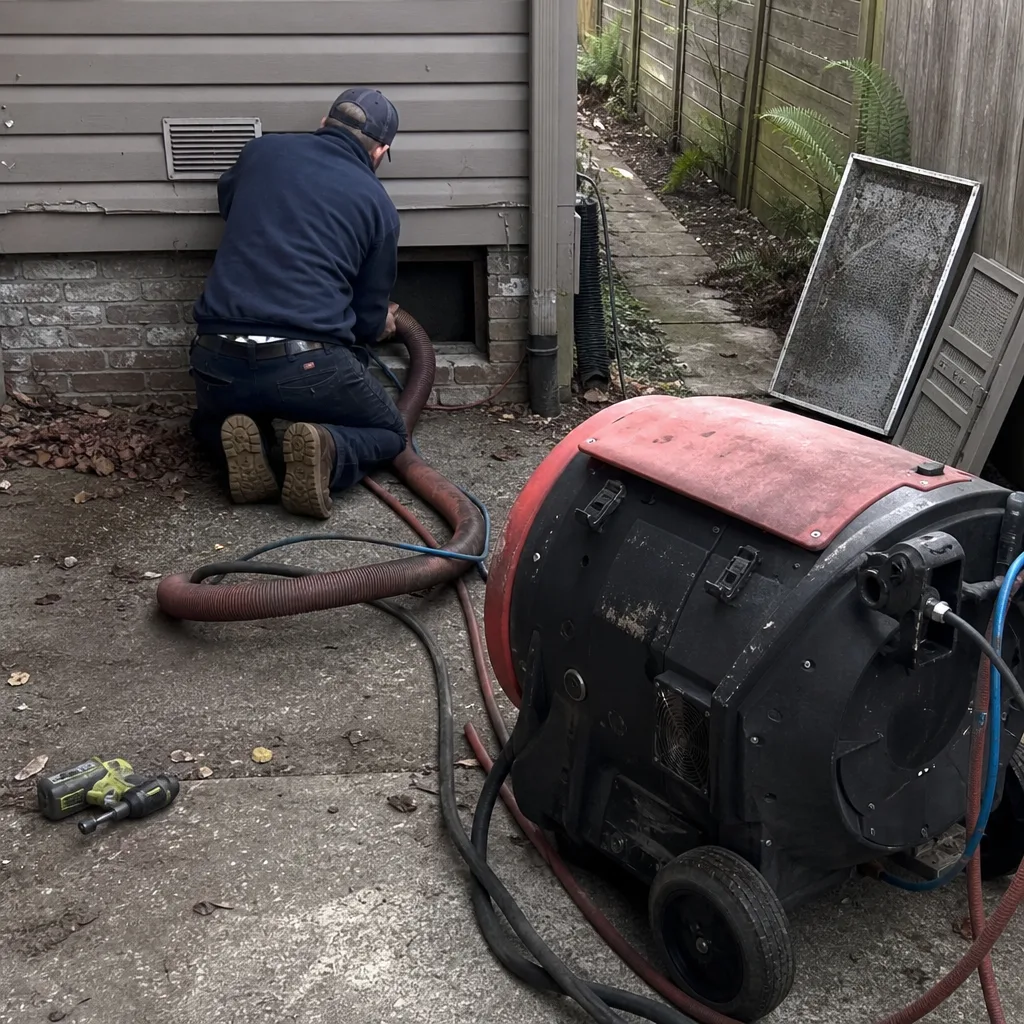 Before
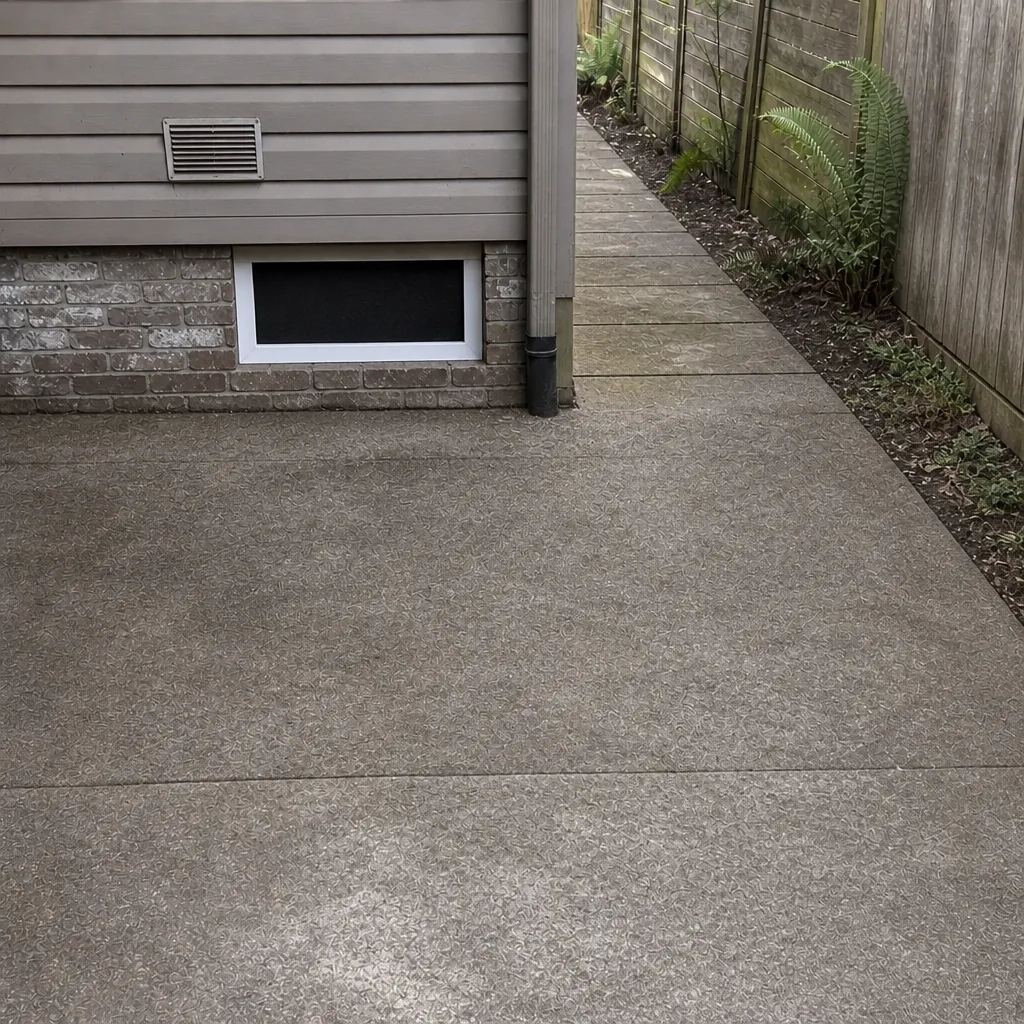 After
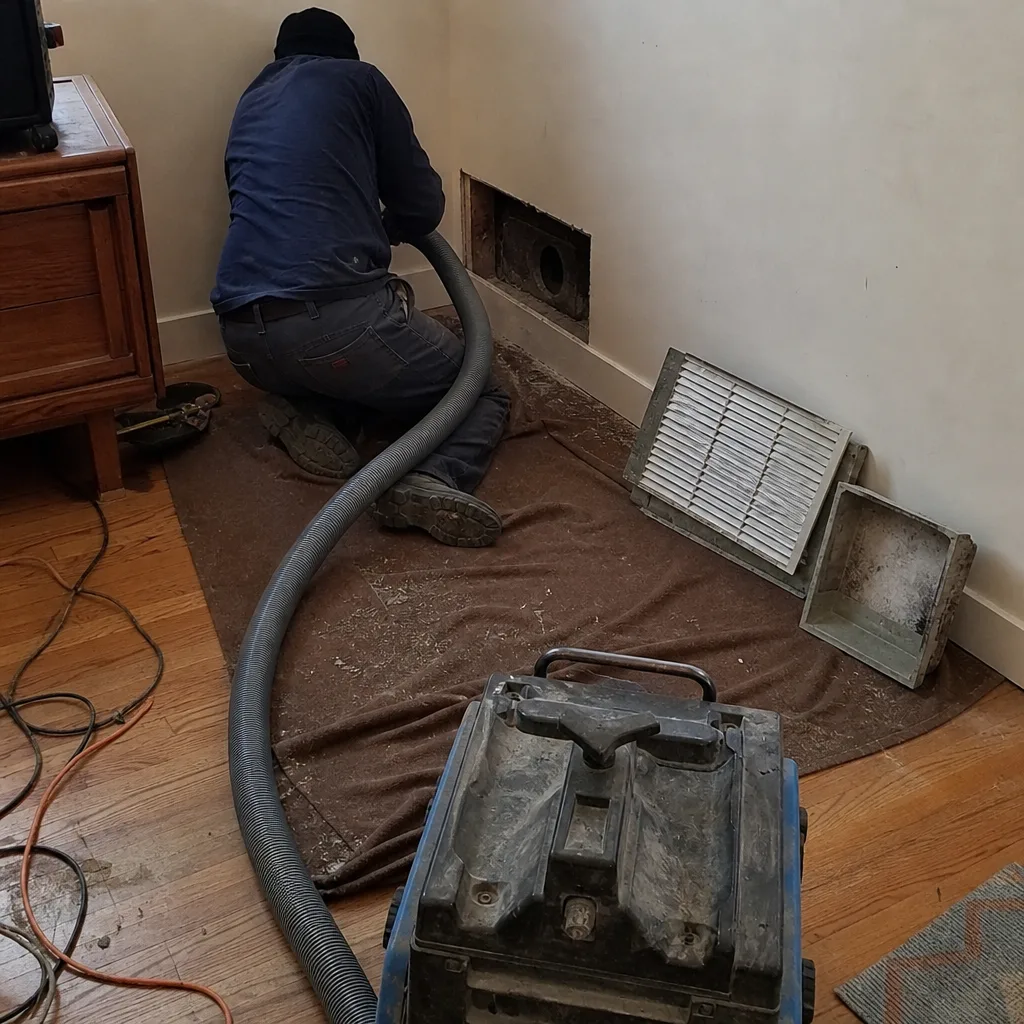 Before
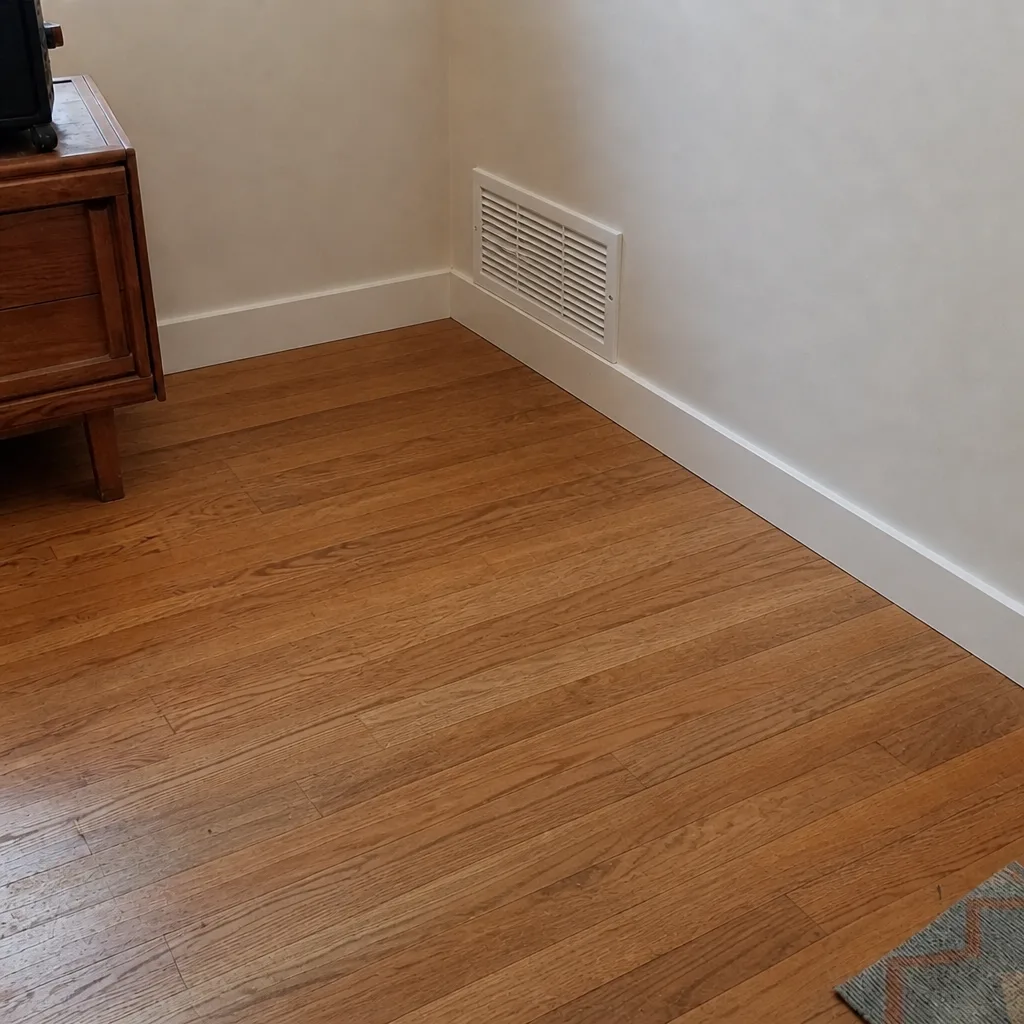 After
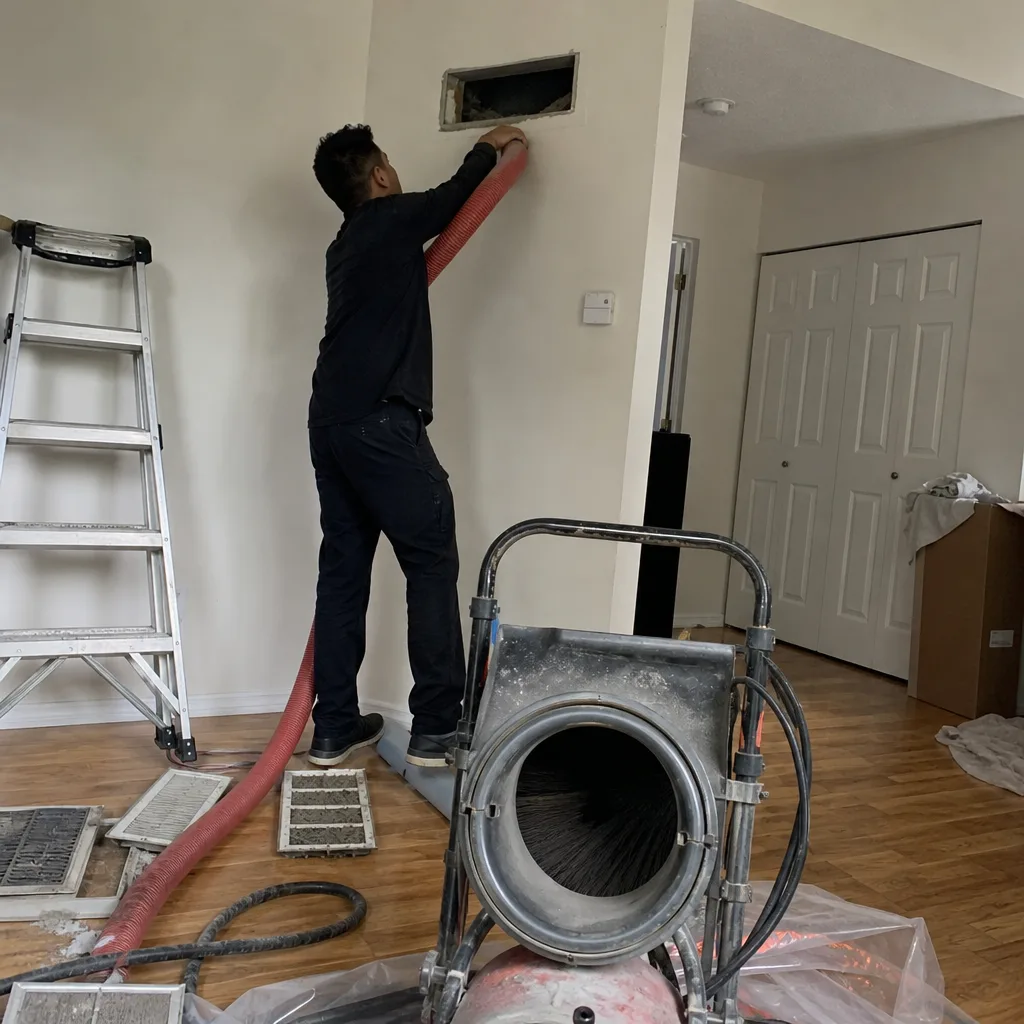 Before
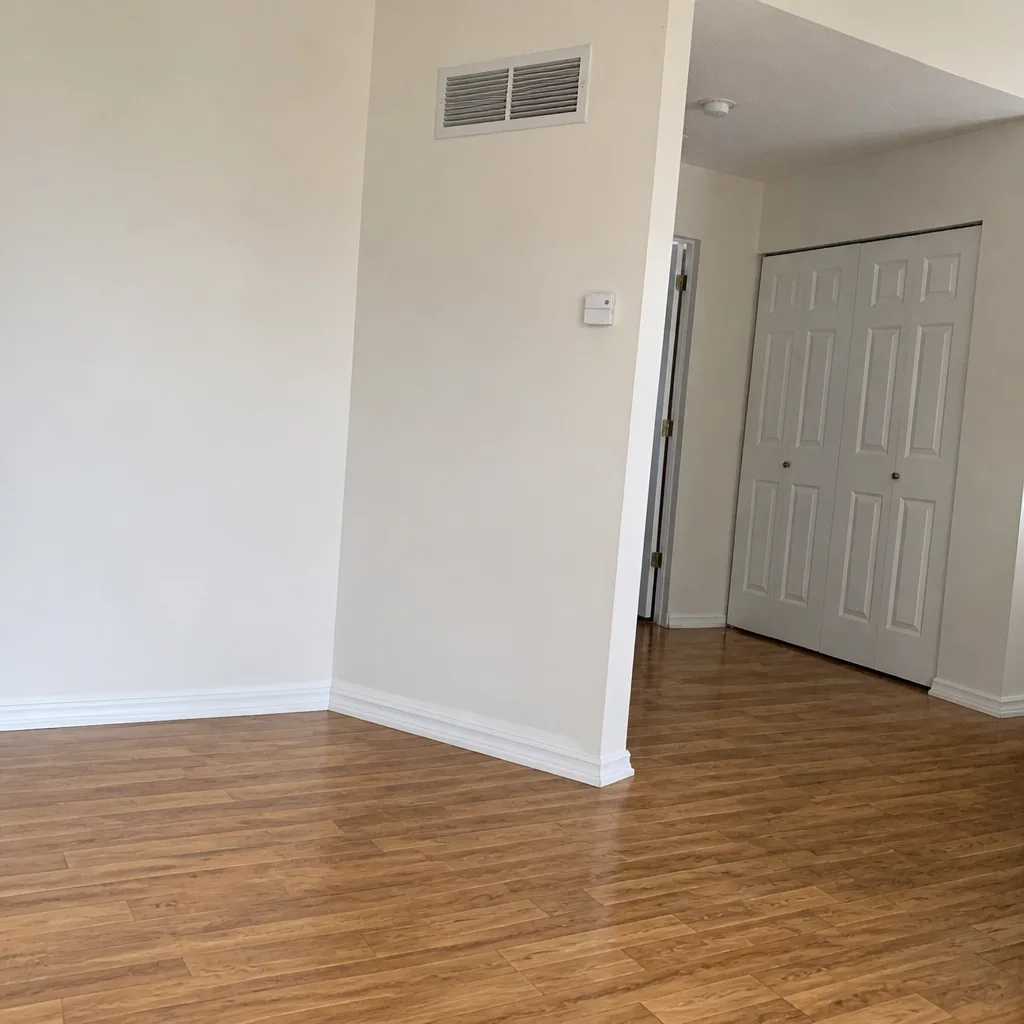 After
Frequently Asked Questions
There’s no single answer, and anyone who gives you a fixed interval without inspecting the system is guessing. A reasonable starting point is a professional inspection every few years for a typical Redmond home, sooner if there are pets, recent renovations, wildfire smoke exposure, or a history of moisture. Your own monitoring log tells you more than any general recommendation.
Look at register covers, return grilles, and accessible duct openings for dust, staining, and moisture, and check the filter’s loading condition. Do it on the same day each month, photograph the same angles, and log the result. It takes ten minutes, and the trend is what matters.
Redmond’s pattern is dry summers with wildfire smoke exposure followed by a wet, mild heating season and a heavy spring pollen load. Those three events push contamination into the ducts at different times of year, which is why the post-smoke, heating-startup, and post-pollen checkpoints are the ones we emphasize here.
You can handle the monitoring, filter changes, and register cleaning yourself. You can’t safely or effectively clean inside the concealed ductwork, the coil, or the fan housing without professional-grade equipment. If you’re inside any of the threshold indicators above, it’s a professional job.
Before-and-after photos of your own system, at the same angles and in the same lighting, are how you know. Ask for them before the work begins so there’s no question about what you’re comparing. Our technicians document the visible change on the system as part of the work.
Cheap quotes usually come from operators using consumer-grade vacuums, quoting per-vent prices that creep upward on site, or skipping the repair side of the system entirely. A legitimate clean uses equipment rated for remediation-level conditions, inspects the whole system, and sets one flat price per system before starting. Call (877) 792-7059 for an exact quote, and estimates are free.
The Bottom Line
The point of this checklist isn’t to clean your ducts yourself; it’s to know when they need a professional look and to have a record proving it. Run the ten-minute monthly visual check, add the post-smoke, heating-startup, and post-pollen checkpoints that Redmond’s climate demands, and log your filter loading intervals against a baseline you establish once. Then document every service call with before-and-after photos so you always have something to compare against. With those habits in place, the threshold indicators do their job: they tell you when to stop watching and call a professional, before a symptom becomes a remediation. Our technicians have up to 11 years of experience, and this is the kind of routine we recommend to every Redmond homeowner we work with. Call (877) 792-7059 for a free estimate. We answer 24/7, with fast dispatch from 7am to 7pm, Sunday through Friday.
For a full-system look at what professional work covers, see Redmond Air Duct Cleaning Co.
Written by the team at Redmond Air Duct Cleaning Co.